
1. I Cleared the Surface to Only Daily Items
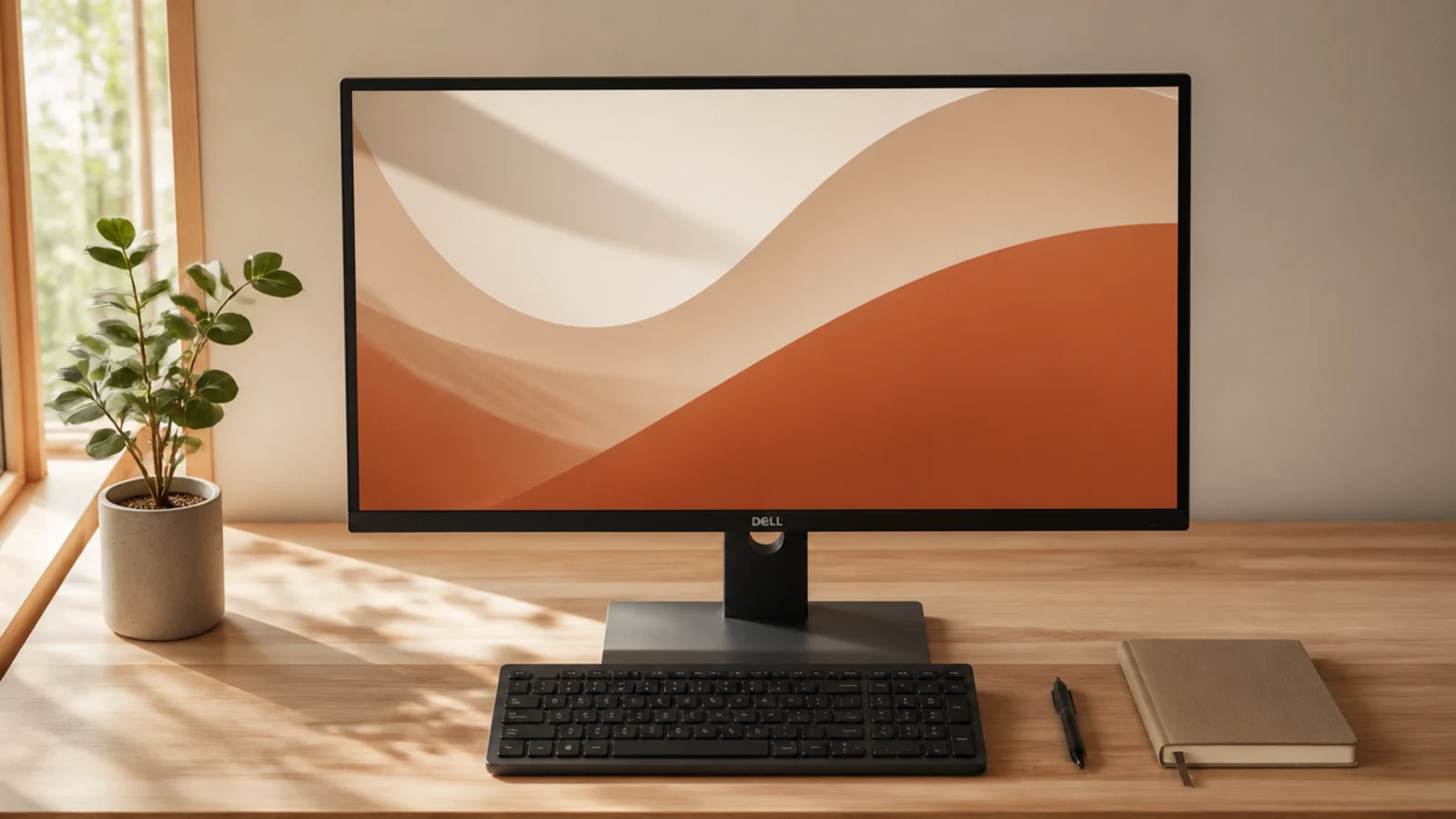
This was the first change and the one that made the biggest immediate difference. I took everything off the desk and only let back the handful of things I touch every single day. The relief of a clear surface was instant — it felt like the desk could finally breathe, and so could I.
I cleared the entire desk into a box, wiped it down, and put back only the monitor, keyboard, mouse, one pen, and a notebook. Everything else went into the box to sort into a drawer or another room later. My rule became simple: if I don’t use it daily, it doesn’t live on the surface. I test it by removing anything I’m unsure about for a week — if I don’t miss it, it stays off.
Editor's noteBox up everything you’re unsure about and live without it for a week; you’ll be surprised how little you actually reach for.
Skip thisDon’t try to find a 'perfect spot' for every item on the surface; the win is fewer things out, not better-arranged clutter.
2. I Moved My Phone Off the Desk
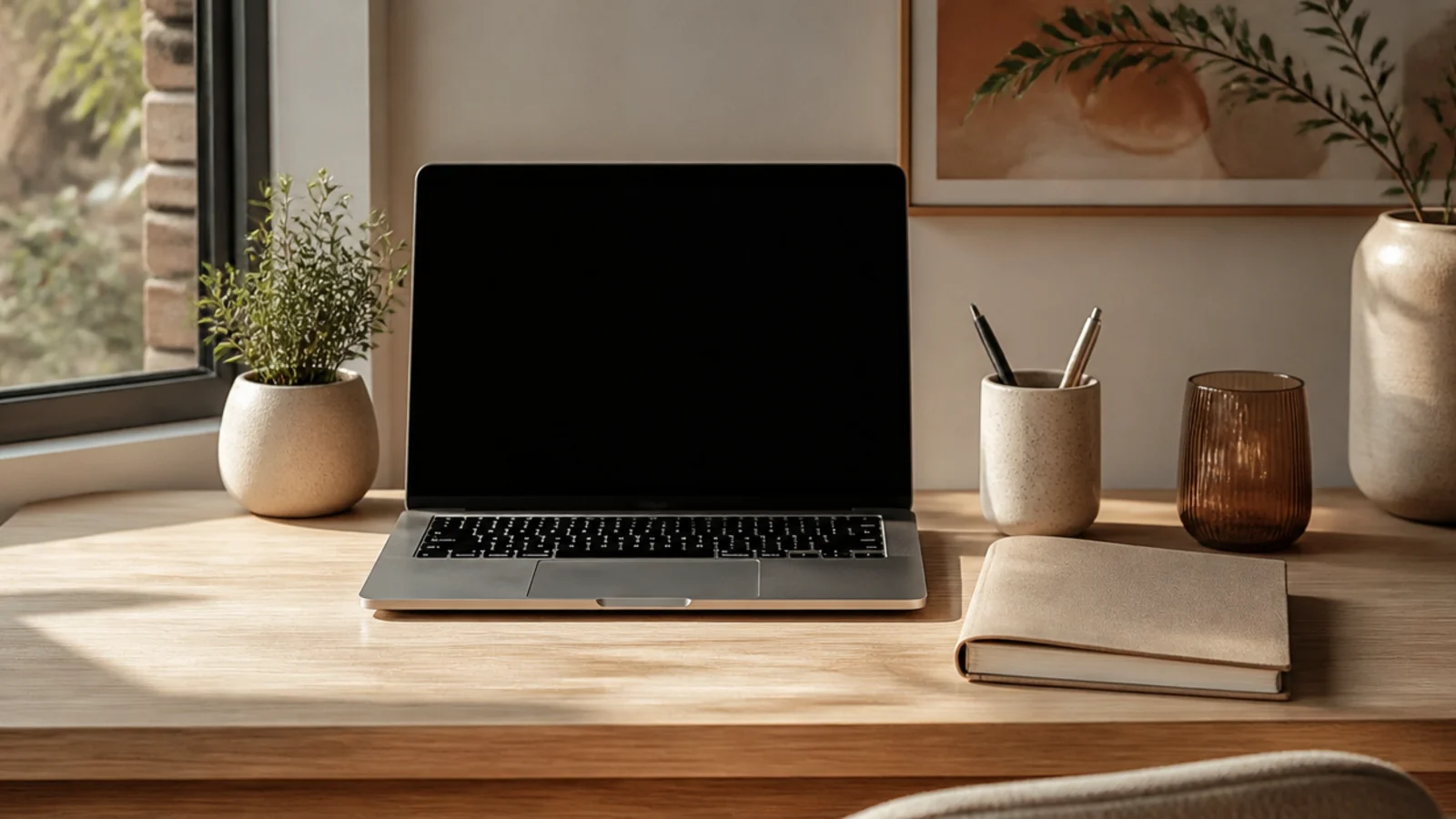
This one surprised me the most. Moving my phone off the desk and across the room did more for my focus than any app or setting ever did. I stopped picking it up on reflex, and whole stretches of work stopped getting interrupted. It’s free and it took thirty seconds.
I set up a small charging spot across the room and made that my phone’s home during work. Face-down on the desk wasn’t enough — I still reached for it — so it had to be out of arm’s reach entirely. I set up music and any timer I needed before sitting down, so the phone had no reason to come back. Now I only check it on breaks, on purpose.
Put the phone somewhere you have to physically stand up to reach; the tiny bit of friction is what actually breaks the habit.
Don’t just flip it face-down on the desk; if it’s within reach you’ll still grab it without even realizing you did.
3. I Hid All the Cables
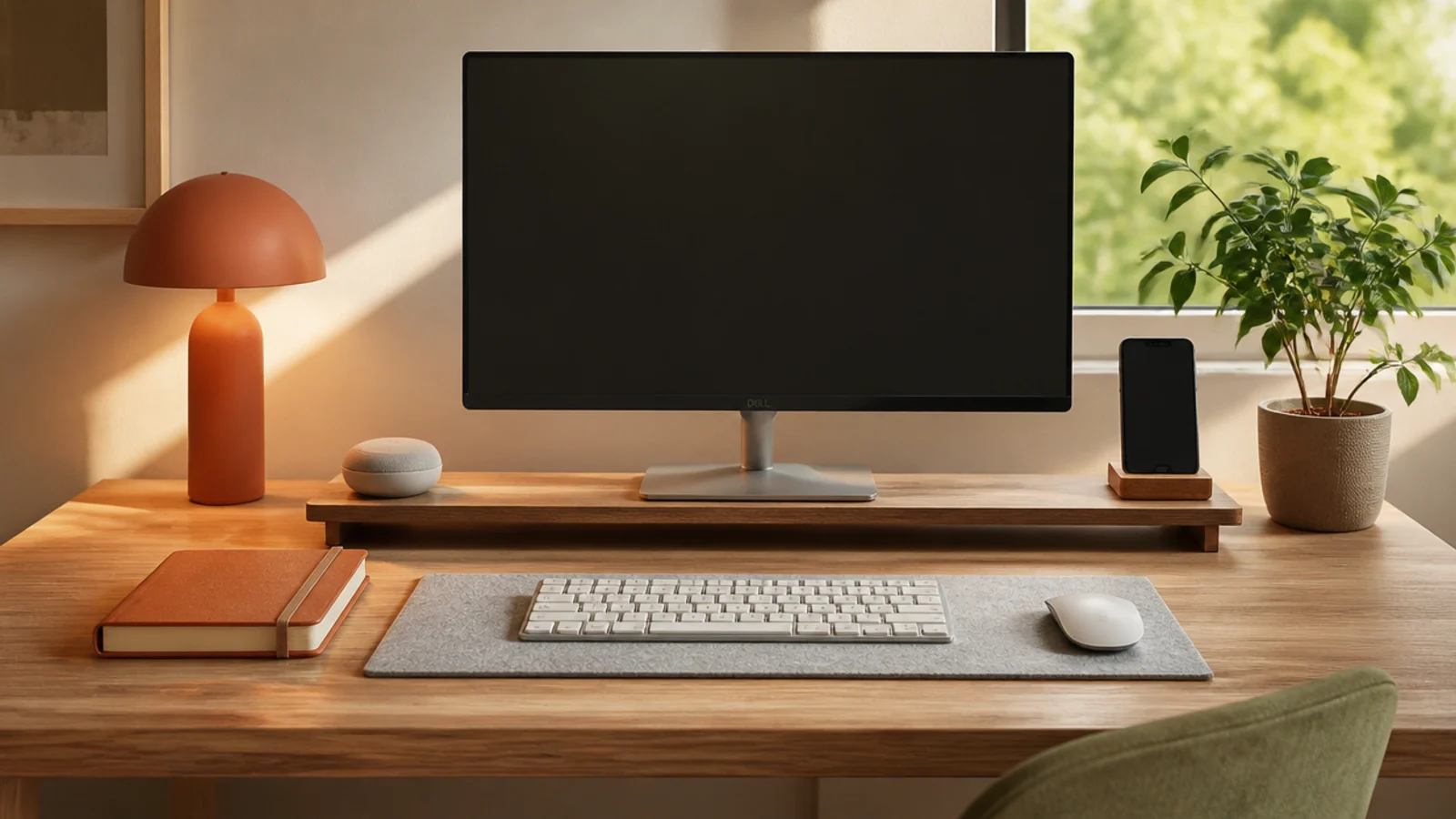
Hiding the cables made the whole desk look and feel calmer, and it cost me almost nothing since I already had everything. The tangle under and behind the desk had been quietly bugging me for years. Once it was gone, the desk finally looked intentional instead of accidental.
I mounted a cheap cable tray under the back edge, put the power strip in it, and ran every cord down, bundling the slack with velcro ties I already owned. The two cables I use on the desktop — my charger and a lamp — I clipped along the back edge so their ends stay reachable. It took about twenty minutes and I haven’t seen the tangle since. Cleaning under the desk got easy too.
Use velcro ties instead of zip ties so you can add or swap a cable later without cutting everything apart.
Don’t leave the power strip on the floor; mounting it up in the tray is what actually clears the space and the dust.
4. I Raised My Monitor to Eye Level
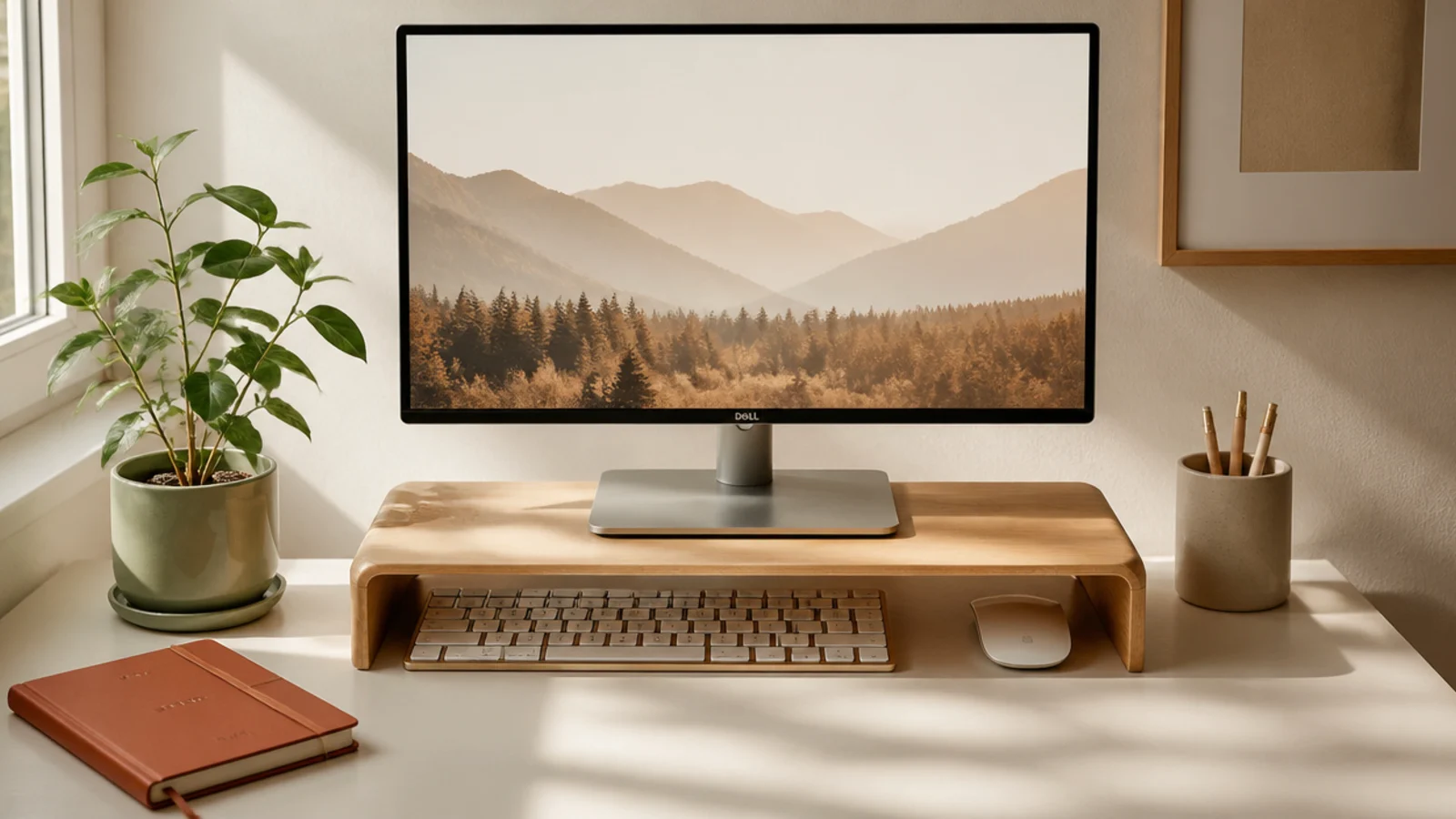
A cheap riser fixed my neck and cleared a whole shelf of space at once. I hadn’t realized how much I’d been looking down until the screen came up to eye level. And the space that opened up underneath became storage I didn’t know I had.
I bought an inexpensive monitor riser and set the top of the screen at eye level — I stacked a book under it for the last inch of height. When I step away, I slide the keyboard and a notebook into the gap beneath it, which keeps them off the surface. My neck stopped aching by the end of the day almost immediately. If you don’t want to buy one, a sturdy stack of hardcover books works just as well.
Editor's noteSet the top of the screen at eye level, not the middle; that’s the height that actually keeps your neck neutral all day.
Skip thisDon’t pile clutter into the new space under the monitor; keep it for the keyboard so the surface stays clear.
5. I Added One Catch-All Tray
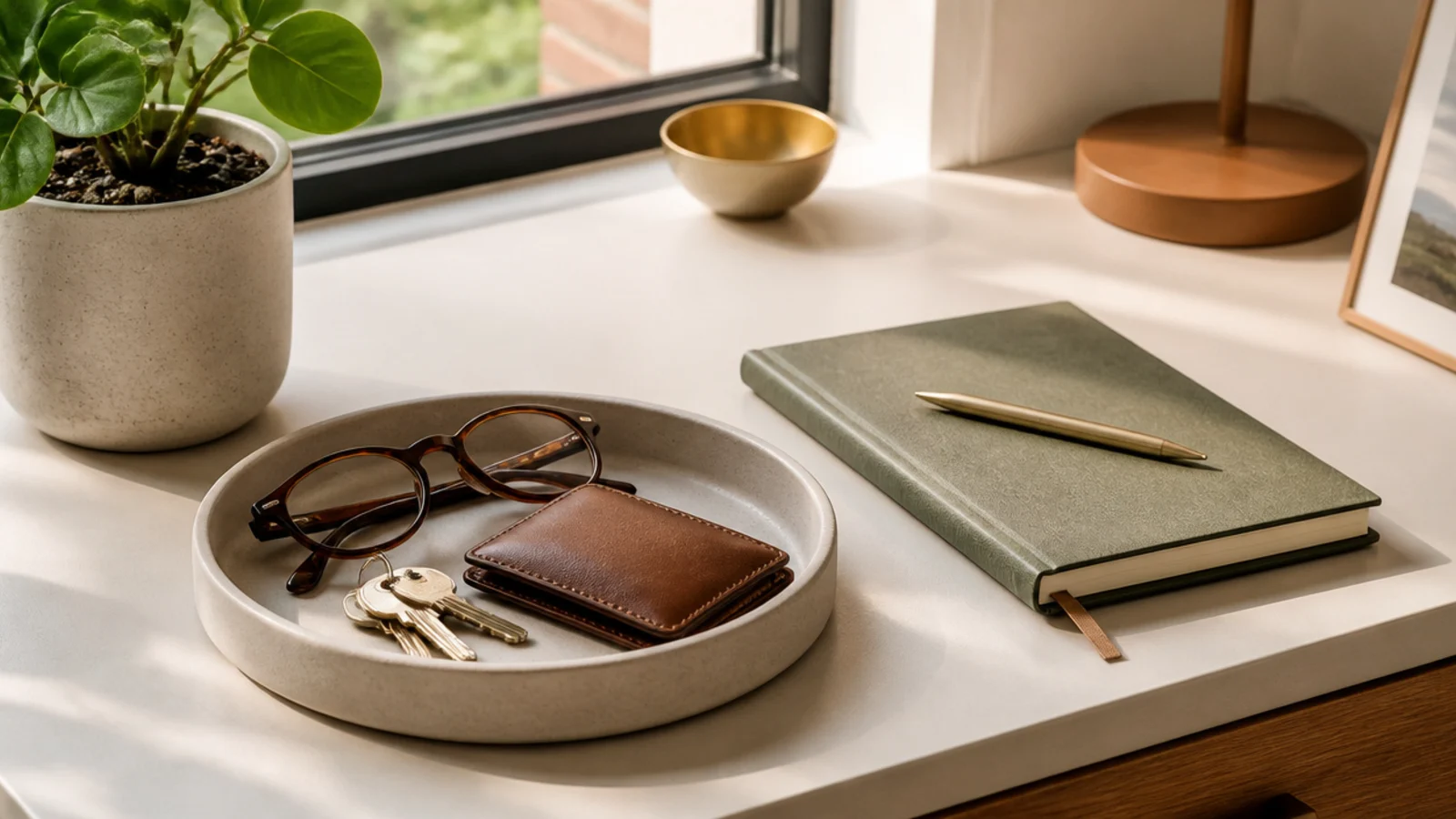
The 'where are my keys' scramble ended the day I put one small tray at the corner. All the little pocket things now land in one spot instead of scattering across the desk. It’s such a small thing, but it removed a daily flash of frustration.
I set a shallow tray at the front corner, exactly where my hand lands when I sit down. It’s strictly for pocket items — keys, wallet, glasses, my badge — not supplies or paper. I empty it back into my pockets as I leave, so it resets itself every day. Putting it in the natural drop spot was the trick; I didn’t have to build a new habit, I just followed where my hand already went.
Put the tray exactly where you already set things down when you sit, so dropping items in it needs no new habit at all.
Don’t let receipts and random paper collect in it; keep it to pocket items or it becomes just another little pile.
6. I Gave Everything Else One Drawer
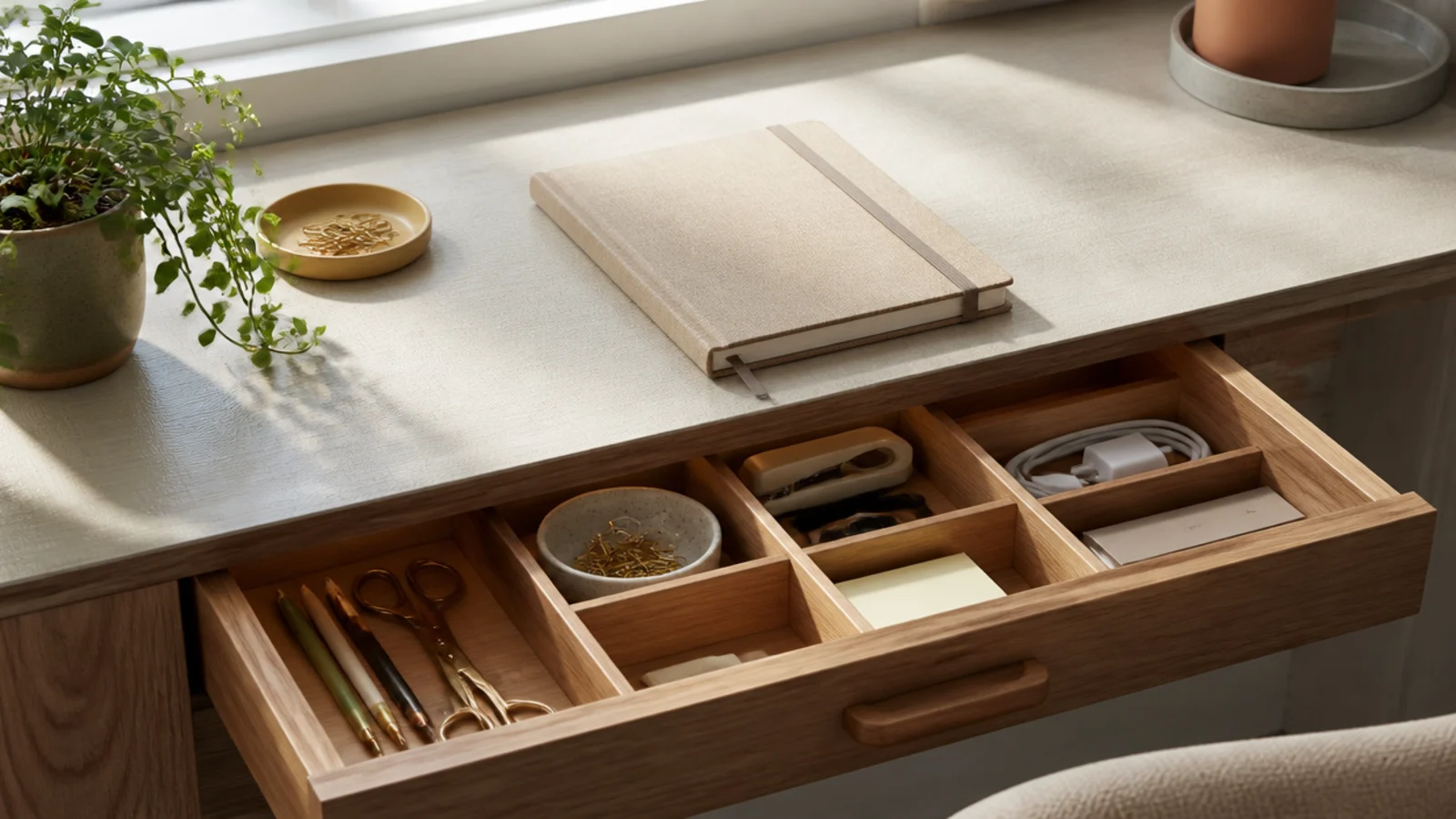
All the stuff I cleared off the surface needed a home, and one divided drawer became it. Instead of things floating around the desk, they now have a defined place I can reach in a second. It’s the drawer that made keeping the surface clear actually sustainable.
I took the drawer nearest my hand, added cheap adjustable dividers, and gave each section a category — writing, chargers and cables, sticky notes and clips, and a spare. The things I’d cleared off the surface went into their section by how often I use them, most-reached at the front. Because everything now has an obvious spot, putting it away takes seconds, which is why the surface stays clear.
Zone the drawer by how often you use things, most-used at the front, so putting the day’s clutter away is effortless.
Don’t leave the drawer as one open space; without dividers it just becomes the new junk pile you cleared off the desk.
7. I Added One Thing I Actually Love
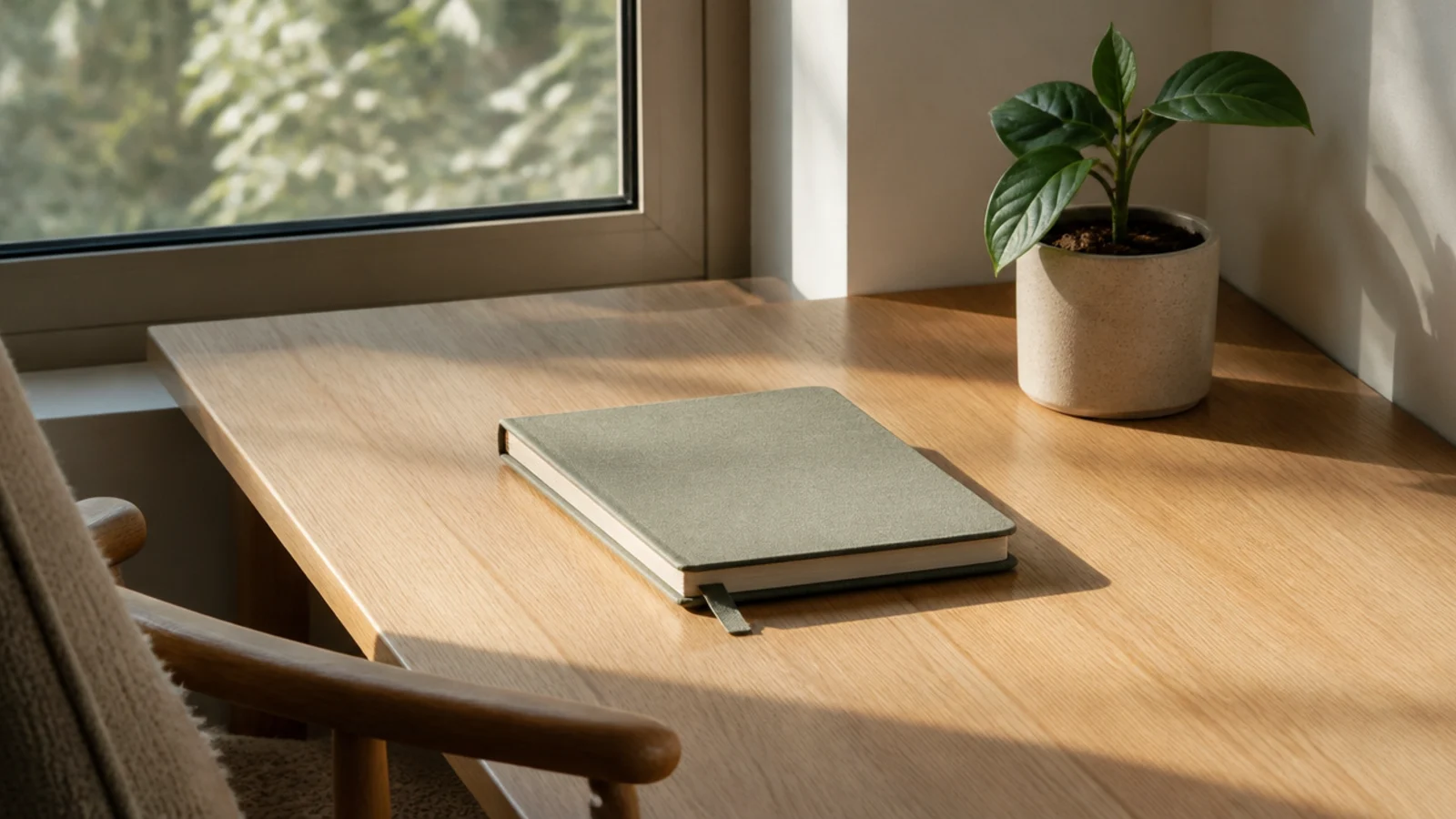
Once the desk was clear, it felt a little sterile — so I added one thing I genuinely love, a small plant. That single green corner made the whole desk feel like a place I wanted to sit, not just a workstation. One deliberate object beat the dozen random ones I used to have out.
I chose one low-maintenance plant — a little pothos — in a simple pot and set it at a back corner where it wouldn’t crowd my work. It’s the only purely decorative thing on the desk, and because it’s the only one, it actually stands out. Keeping it to a single loved object was the point; a clear desk with one meaningful thing feels calm, while a clear desk covered in trinkets just fills back up.
Pick one plant or object you truly love rather than several; a single deliberate piece reads calm, a collection reads cluttered.
Don’t let one nice thing become permission for ten; the calm comes from restraint, so keep the decorative count low.
8. I Started a 60-Second Nightly Reset
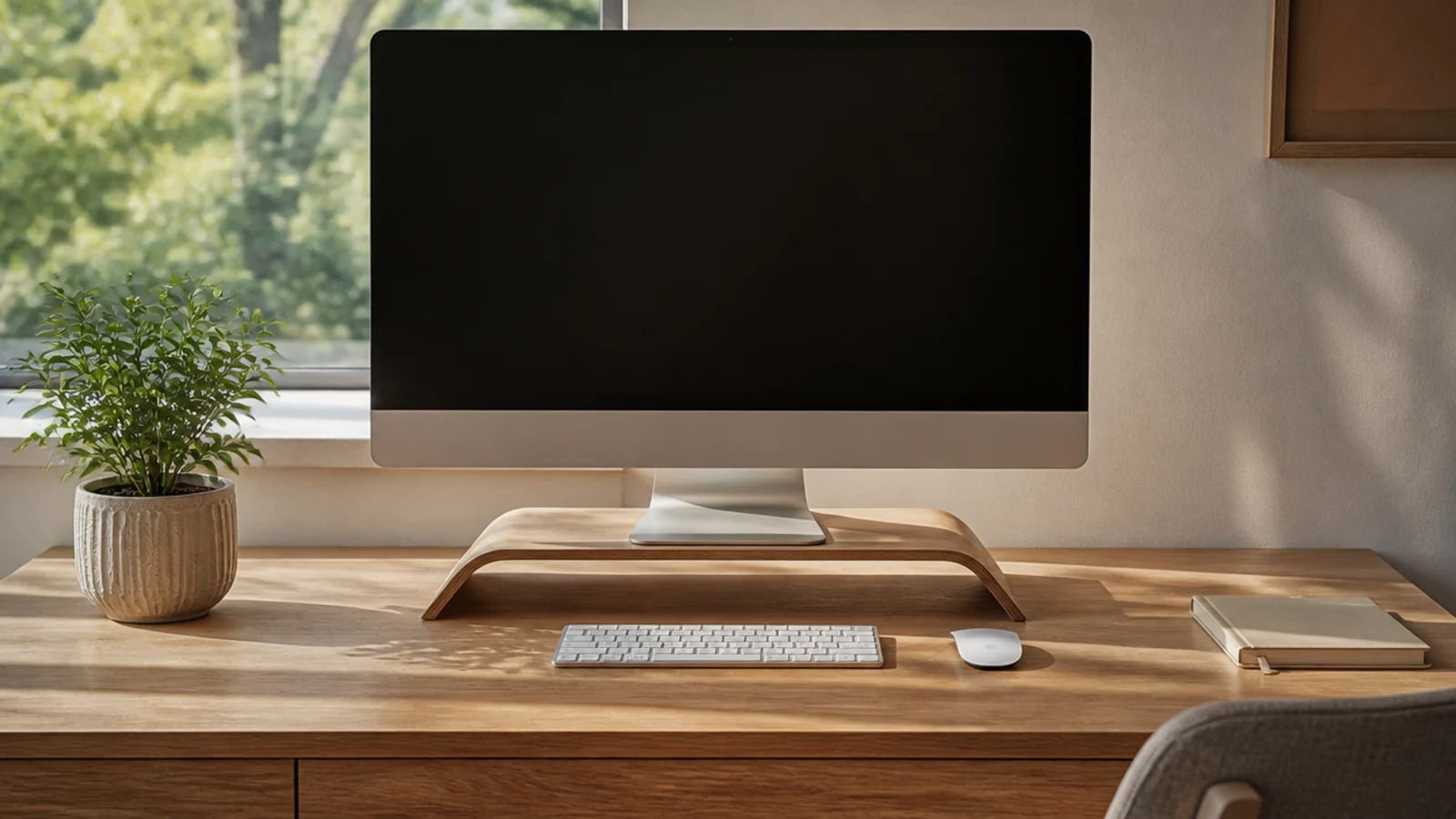
This is the one that made everything else last. A 60-second reset at the end of each day returns the desk to its clear state, so I start every morning at zero instead of yesterday’s mess. Without it, all the other changes would have slowly unraveled — with it, they just stay done.
At the end of each workday I spend one minute: pens back in the drawer, paper filed or binned, cables coiled, catch-all items back in my pockets, and a quick wipe of the surface. I leave only the monitor, keyboard, and plant. I treat it as the last task of the day, not something to do 'later'. After about a week it became automatic, and I genuinely haven’t had a messy desk since. It’s the smallest habit with the biggest return.
Do the reset before you stand up for the day, never 'later'; later never comes, and the clutter quietly rebuilds overnight.
Don’t leave 'just one thing' out each night; one item invites five by Friday, and the whole system slowly falls apart.