1. Rug that extends 12 inches under the front legs
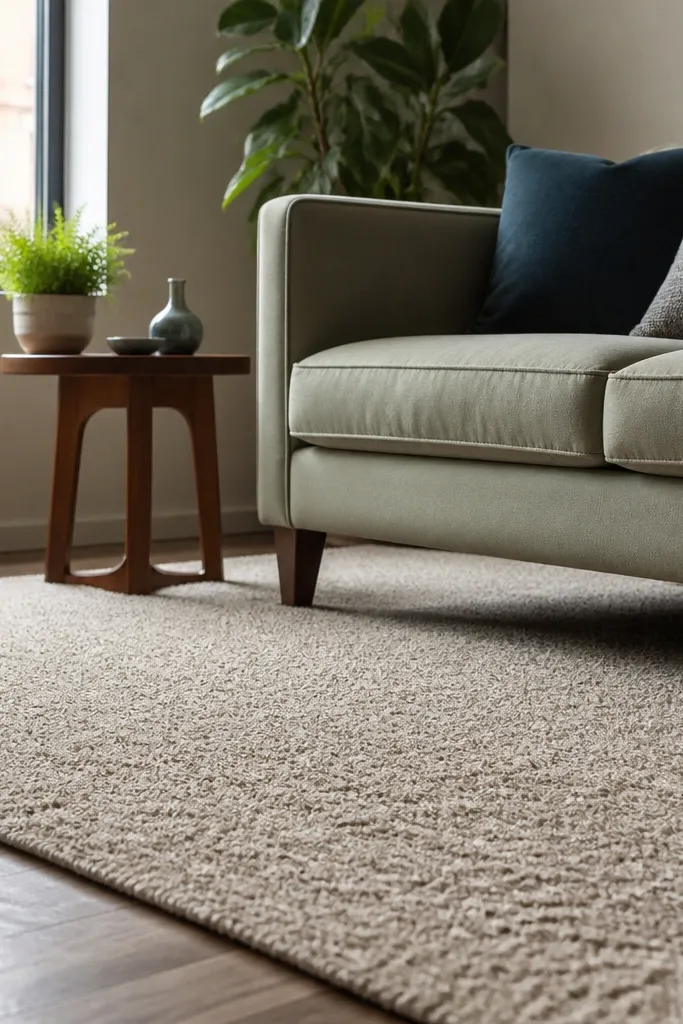
A rug is the fastest way to make a small drawing room look finished, because it creates a boundary where the eye can rest. For cozy year-round drawing room interior vibes, you want a rug that feels warm underfoot and reads soft in photos — think low pile or short shag in neutral tones, not high-pile that looks messy. Pull it far enough under the sofa so the furniture doesn’t float. This project works in living rooms with tight layouts because it makes the seating area feel bigger without moving anything.
Measure your seating zone first: place your sofa and chair as you want them, then measure from the front edge of the sofa to where you want the rug to end. Cut your target size so the rug extends about 12 inches under the front legs of the sofa (and chair if possible). Lay the rug in place, center it to the main visual anchor wall, then use non-slip rug pads to stop creeping. Finish by adding a small tray or basket on the coffee table to tie the rug colors into the rest of the room.
Use a rug pad with grip plus cushioning — it makes the room feel warmer even before you add more decor.
Avoid a rug that ends halfway under the sofa; it makes the whole room look smaller and unfinished.
2. Curtain upgrade: mount 4 inches higher and 6 inches wider per side
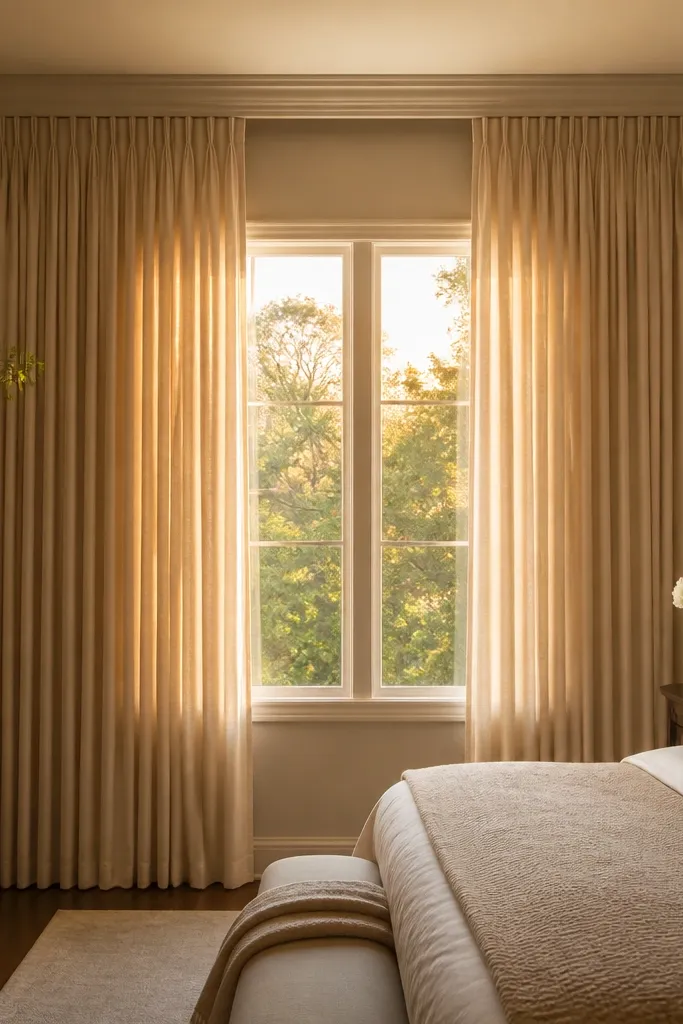
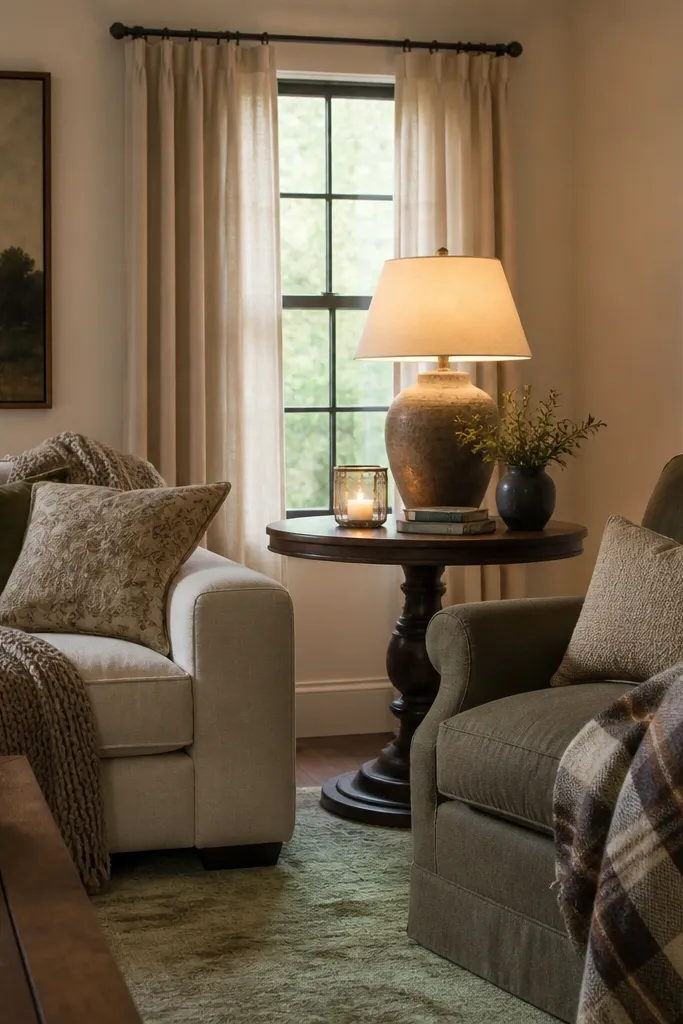
Curtains change the room’s “height” and softness more than almost any decor item. For a cozy year-round drawing room interior, you want medium-to-heavy fabric that drapes in folds instead of hanging straight. Mounting higher and making the panels wider creates that built-in, expensive look where the fabric fills the top and frames the seating area. This is ideal for small rooms because it visually stretches the walls without eating floor space.
Choose curtain fabric with weight: cotton-linen blends, twill, or blackout lined drapes in warm neutrals. Install the rod so the bottom edge sits about 4 inches above your old mounting point, then hang panels so each side covers at least 6 inches more than the window casing. If you need fullness, use 1.5 to 2 times the window width in total fabric. Steam or press the folds, then let the curtains puddle just above the floor for a clean line.
If your curtains look flat, add more width before changing anything else — fullness is what makes it cozy.
Don’t mount the rod at the window frame height; it shrinks the room visually.
3. Teddy throw layering over a sofa arm + a second throw on a chair
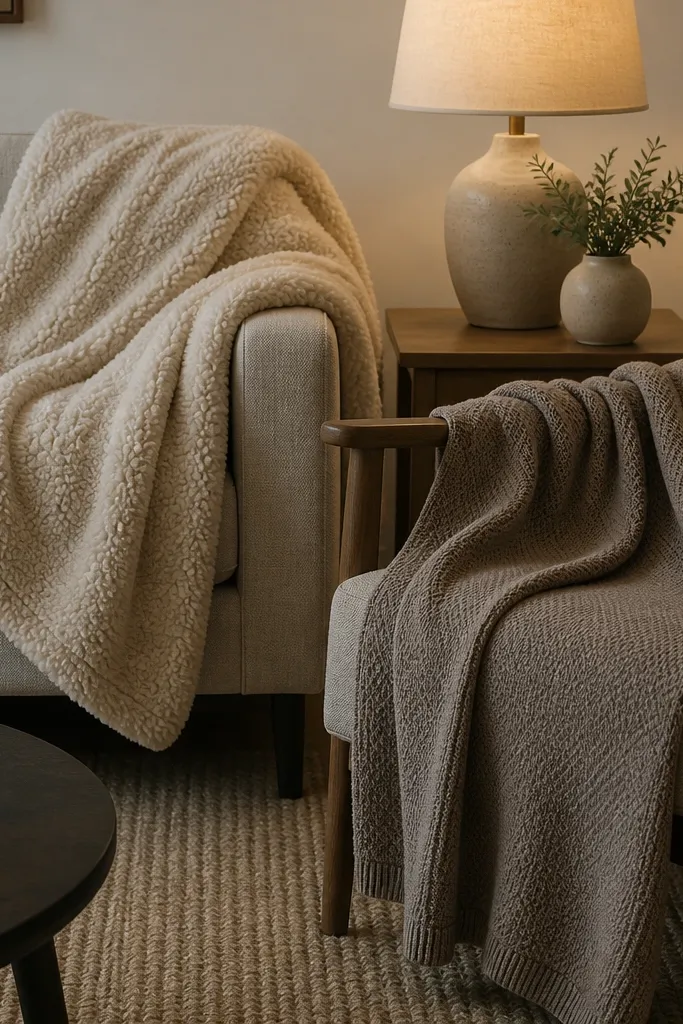
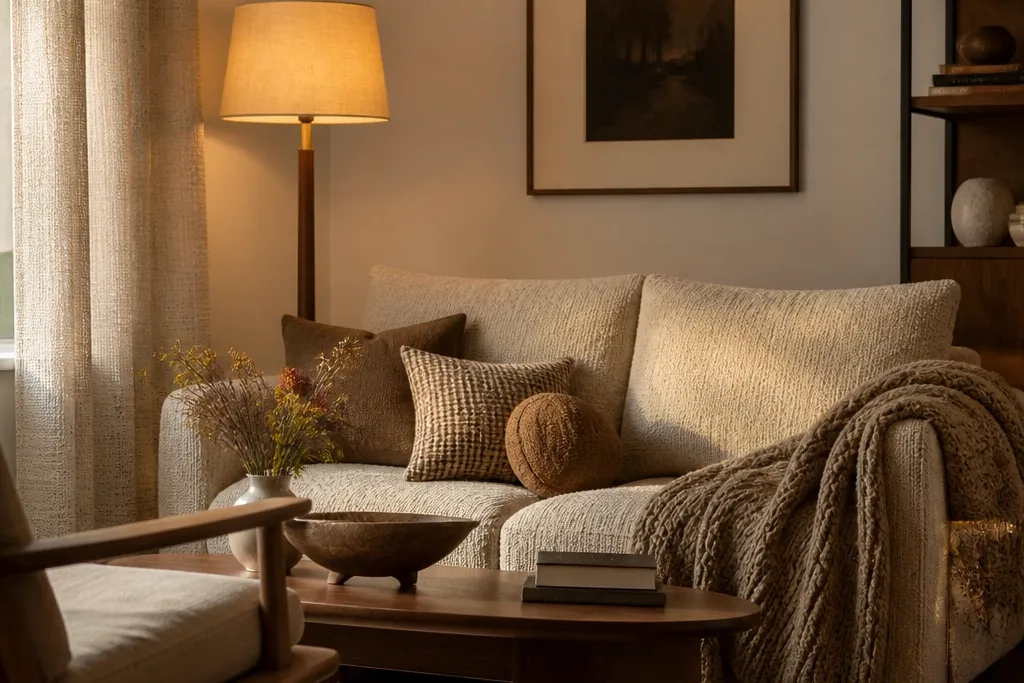
Layered throws make cozy feel real because they add texture you can see and touch. In a small drawing room, one blanket thrown on a sofa can look random; two placed with intention look like a styling plan. Pick one soft, fuzzy texture (teddy fleece or boucle) and one smoother knit (cotton or wool blend). This combination reads warm in winter and still looks clean in summer because the colors stay calm while the textures do the work.
Start with a color plan: choose two shades in the same family, like oat and sand, or clay and warm taupe. Drape the teddy throw over the sofa arm so it falls in a consistent fold, then add a second throw on a chair back at a slight angle. Tuck the ends so they don’t spill unevenly — press the fabric with your hands first, then adjust until the folds look intentional. Finish with a small decorative pillow in a solid or subtle weave so the texture doesn’t compete.
Use fabric clips on the underside of sofa arms to stop throws sliding when you sit down.
Skip highly patterned throws if the room already has prints elsewhere; it turns cozy into clutter.
4. One-piece wall paneling behind the sofa using 1/4-inch MDF strips
If your drawing room feels flat, wall paneling fixes it fast because it adds shadow lines. For cozy year-round drawing room interior styling, keep the design simple: vertical or horizontal lines that catch warm light. Use a matte paint finish so the wall doesn’t glare in photos. This is especially good for small spaces because the pattern adds depth without adding furniture.
Buy 1/4-inch MDF strips (about 1.5 to 2 inches wide) and a builder’s panel adhesive or construction adhesive. Mark a center line on the wall, then layout your strips with a consistent gap (about 1/2 inch) using a level and pencil. Cut strips to height, apply adhesive to the back, and press in place with painter’s tape support. Prime and paint everything with a matte finish, then remove tape after it sets.
Use a long level and measure from the same reference point (like the floor seam) so the lines don’t drift.
Don’t use glossy paint on paneling; it highlights wall imperfections and can look harsh.
5. Sofa back curtain as a room divider behind a compact seating area
When a room is too small to rearrange, you can still create zones. A curtain behind the sofa adds softness and hides visual clutter like outlets, a doorway, or an open pass-through. For cozy year-round drawing room interior look, use a two-layer approach: a light sheer for airiness and a medium-weight drape for warmth. It photographs beautifully because the background becomes smooth and intentional.
Editor's noteIf the curtain rod sags, add a center support bracket or use a longer rod with a middle bracket.
Hang two curtain rods: a tension rod or wall rod for the sheer, and a second rod 1 to 2 inches in front for the heavier drape. Choose sheer fabric that lets light through but hides details; choose drape fabric in warm neutral. Set the curtain width to cover the entire sofa wall area plus extra for fullness. Tie the curtains back with fabric ribbon when you want the room to feel open.
Skip thisAvoid thin sheers alone — they look airy but don’t create the cozy warmth you want.
6. Corner reading nook: 24-inch ledge shelf + floor lamp with shade
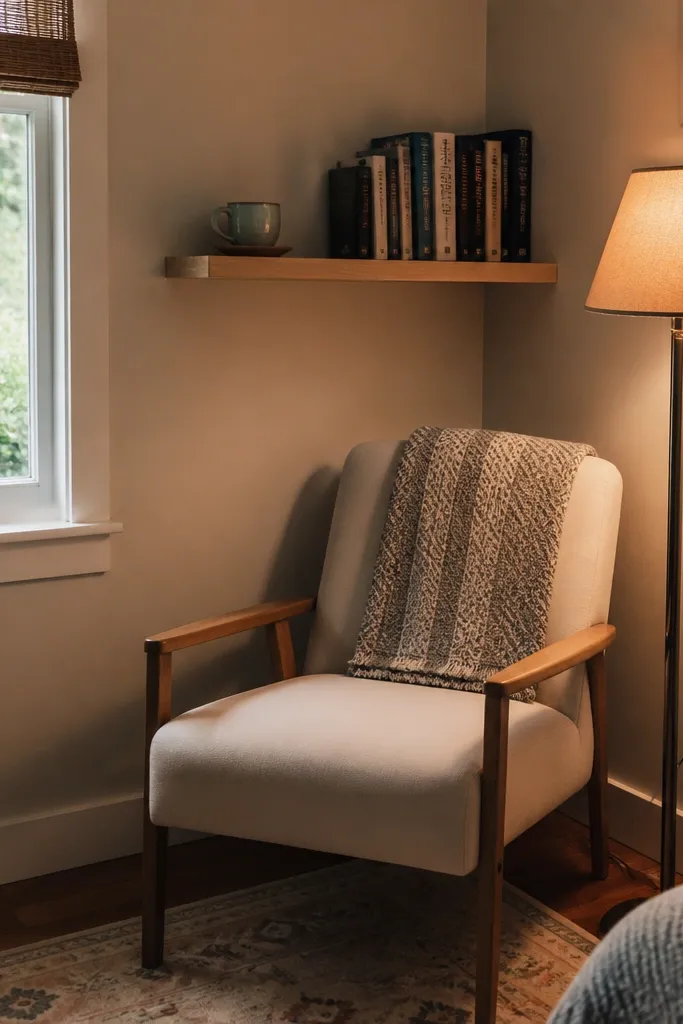
A drawing room looks cozy when there’s a place that invites a small routine: reading, tea, or winding down. In a small space, you need storage and light in one spot, not two separate items fighting for room. A 24-inch ledge shelf gives you surface for books and a warm lamp creates the glow that makes the corner feel lived-in. This idea works with most layouts because the corner is usually underused and dark.
Editor's noteUse a lamp shade that’s wider than the bulb opening so the light pools downward instead of lighting the ceiling.
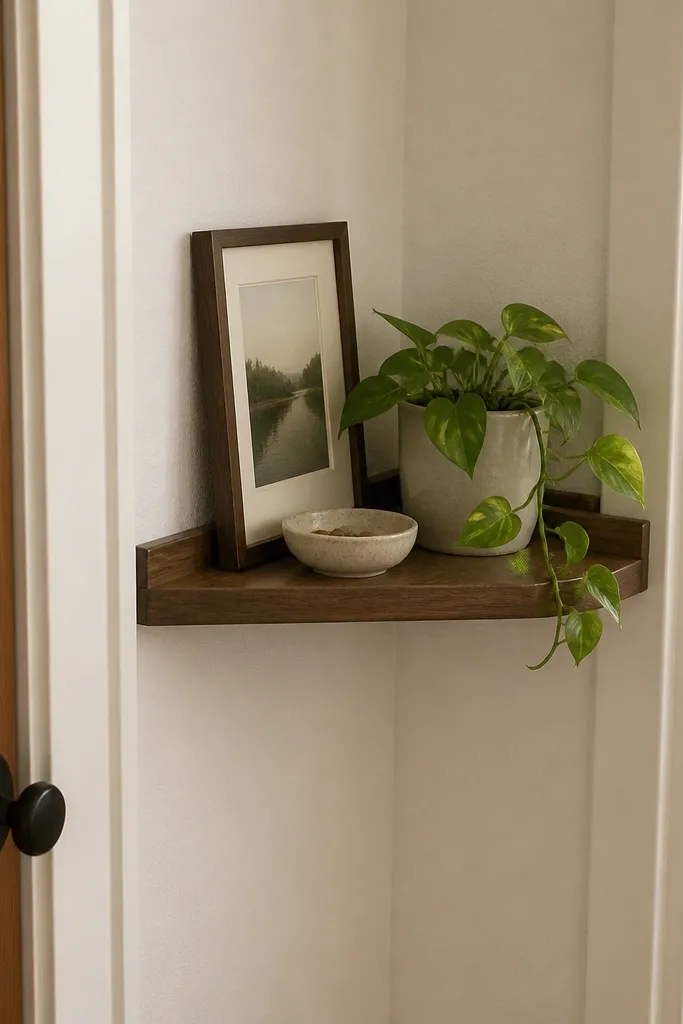
Pick a shelf size that matches your wall: 24 inches wide is enough for books stacked vertically plus a small tray. Mount it 50 to 60 inches from the floor so it doesn’t block sightlines, and level it carefully. Place a floor lamp next to the chair with a fabric shade that blocks glare; choose a warm bulb around 2700K. Style the shelf with a book stack, a ceramic cup or small vase, and one flat item like a framed print.
Skip thisDon’t place the lamp behind furniture; you’ll get glare and the corner will still look dim.
7. Built-in look: faux board-and-batten using peel-and-stick planks
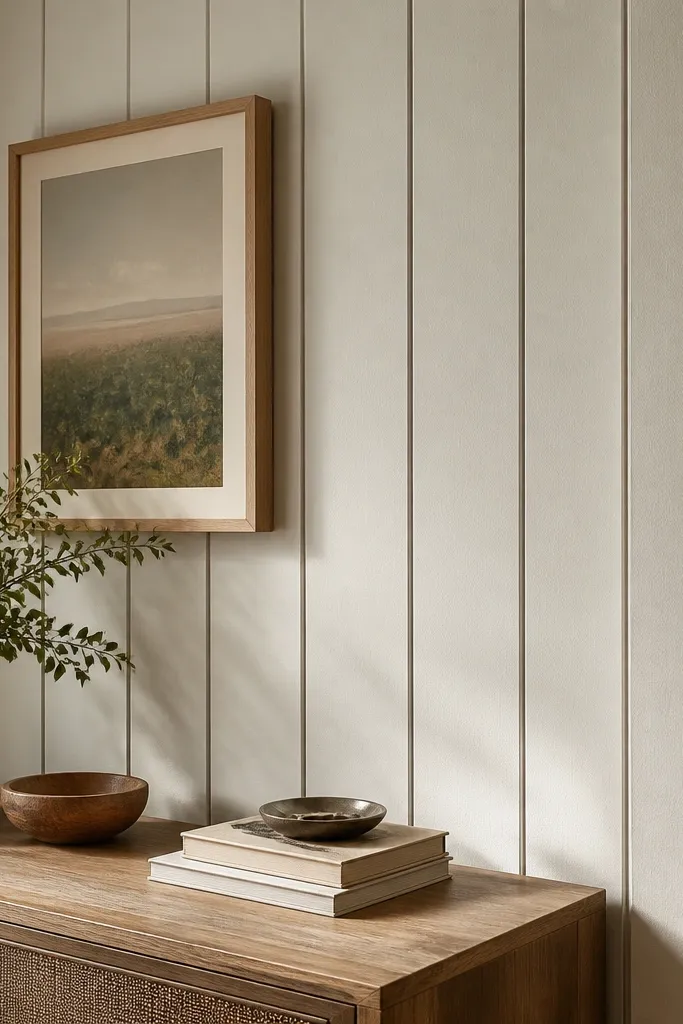
Peel-and-stick board-and-batten gives you a built-in look without construction dust. The key for a cozy year-round drawing room interior is keeping the color warm and the pattern tidy so it reads calm, not busy. This works best on a narrow wall behind a console, beside a sofa, or above a small media unit. It’s also great for renters because you can remove it cleanly if the adhesive is compatible with your wall surface.
Clean the wall with rubbing alcohol and let it dry fully so the adhesive sticks. Measure the wall width and plan your plank spacing; a 1/2 inch gap between strips looks balanced. Apply planks starting from a level line you snap across the wall, then cut around outlets with a sharp utility knife. Seal the edges with painter’s caulk if you want extra crisp lines, then paint the planks if they’re paintable.
Press each plank with a handheld roller to prevent lifting at the edges.
Don’t apply over texture you can’t smooth; uneven walls make the lines look wavy.
8. Gallery wall that looks curated: 3 frames wide, 2 frames tall grid
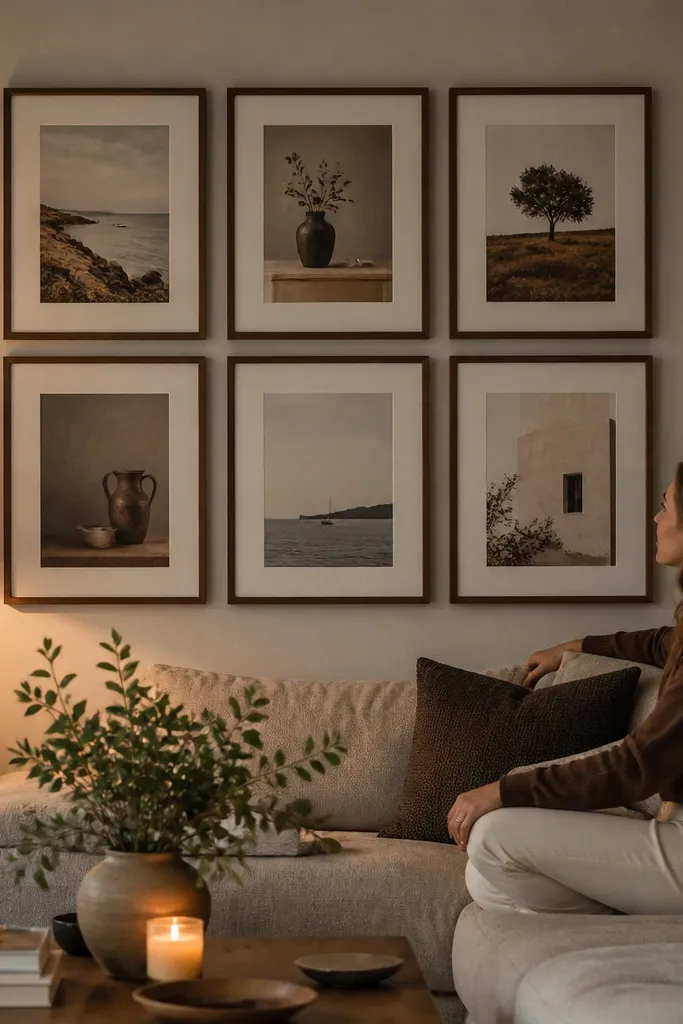
A gallery wall can either make a small room feel styled or chaotic. For cozy year-round drawing room interior, use a grid layout that’s orderly and easy to read from across the room. A 3-by-2 layout gives you enough visual interest without crowding the wall. Choose frames in the same finish and keep the art to warm tones so the glow from lamps matches the palette.
Editor's noteUse matte prints or textured paper — glossy art throws glare that ruins the cozy feel in photos.
Pick six frames with the same outer dimensions; 8x10 or 11x14 works well for small spaces. Decide the wall’s center point, then build a grid with equal spacing (about 2 inches between frames). Measure from the floor to the center of the grid — aim around 57 inches for most seating areas. Hang using a level and mark holes first; swap prints until the colors look warm under your lamp lighting.
Skip thisAvoid mixing frame sizes; it makes the wall look accidental in tight rooms.
9. Matte black picture light over art to kill corner shadows
Lighting is what turns “decor” into “cozy,” and picture lights are a secret weapon for small drawing rooms. If your art area is dim, the whole wall looks gray even with floor lamps on. A matte black picture light adds focused warmth where your eye already lands, which makes the room feel intentional. This is a good choice when you can’t add more floor lamps due to tight aisles.
Editor's noteAim the beam slightly downward; upward angles create glare and wash out texture.
Choose a hardwired or plug-in picture light sized to your art width; aim for about 2/3 coverage of the artwork. Mount it so the beam hits the center of the frame, typically with the bottom of the light around 6 to 10 inches above the top edge of the art. Use warm bulbs around 2700K and test the angle before final tightening. Switch the art light on with the room lighting so it doesn’t look like a separate spotlight.
Skip thisDon’t use cool-white bulbs; they make wood tones look sickly and kill cozy.
10. Coffee table styling with a tray, one tall candle, and one low book stack
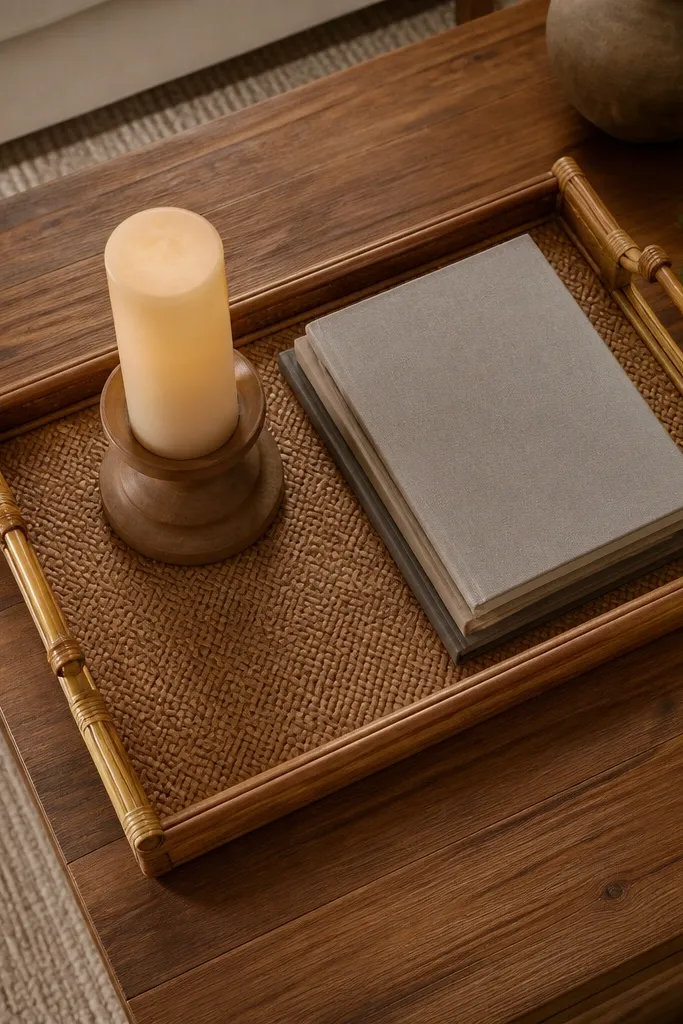
Small drawing rooms look cozy when the coffee table has a repeatable “system.” A tray keeps items from scattering, and it reads clean in photos even when the room is lived-in. Choose a tray with warm material like wood, rattan, or ceramic in a neutral tone. Add one tall candle for vertical shape and one low book stack for weight. This combo makes the table feel styled without clutter.
Pick a tray size that covers about 60 to 70 percent of the table surface so it anchors the look. Place a tall candle centered toward the back edge, then add a small book stack or two thin books beside it. Add a small object with a matte finish like a ceramic vessel or a textured coaster set. Leave open space around the tray edges so the table doesn’t look packed.
Use unscented candles in glass or metal — the glow is what matters, and smoke never becomes an issue.
Avoid stacking too many small items; it makes a small table look busy.
11. Reupholster a thrifted chair with washable slipcover fabric
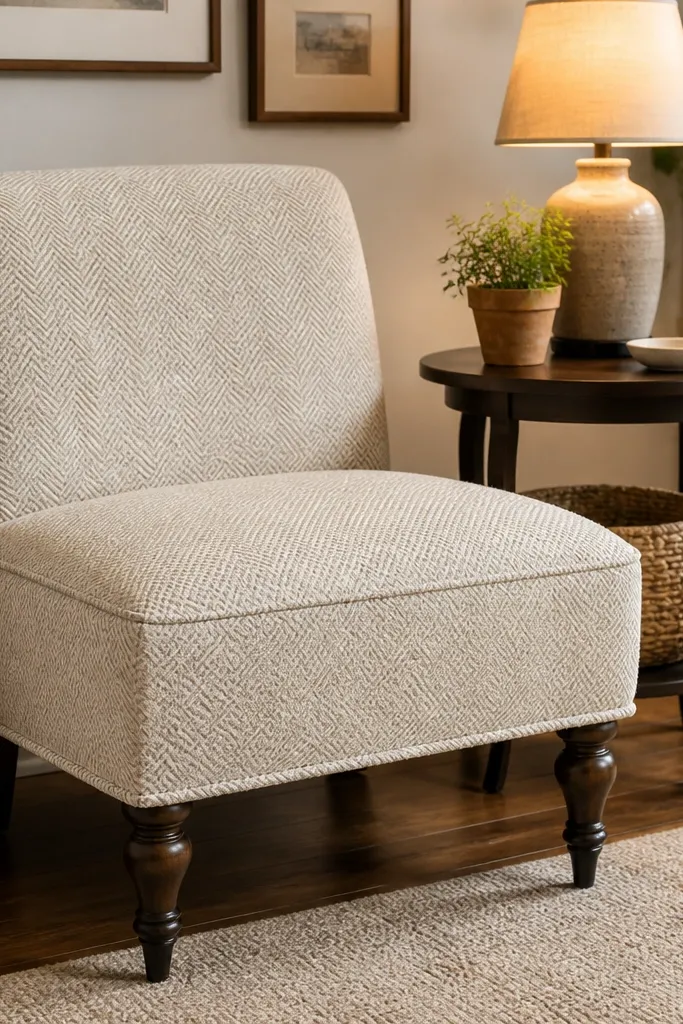
If your drawing room is small, one great accent chair can do more than another lamp. A slipcover-style seat in a textured fabric like herringbone cotton or chunky weave adds cozy without permanent commitment. Keep the chair shape simple so the fabric texture is the star. This is worth doing because it gives you a second tactile texture besides the sofa, which makes the room feel layered.
Start by choosing a thrifted chair with a similar seat height to your existing seating so it looks cohesive. Buy slipcover fabric with a stable weave and a washable finish; cotton twill and cotton-linen blends work well. Remove the old seat pad and measure the seat and back — add 1 inch for seam allowance. Sew or have it sewn with a fitted seat cover, then add a simple cushion insert for comfort and structure.
Choose fabric with a tight weave so it hides lint and looks clean longer.
Don’t pick super-slippery fabric; it shifts and makes the slip look sloppy.
12. Layered window sill styling with 2 heights and a textured runner
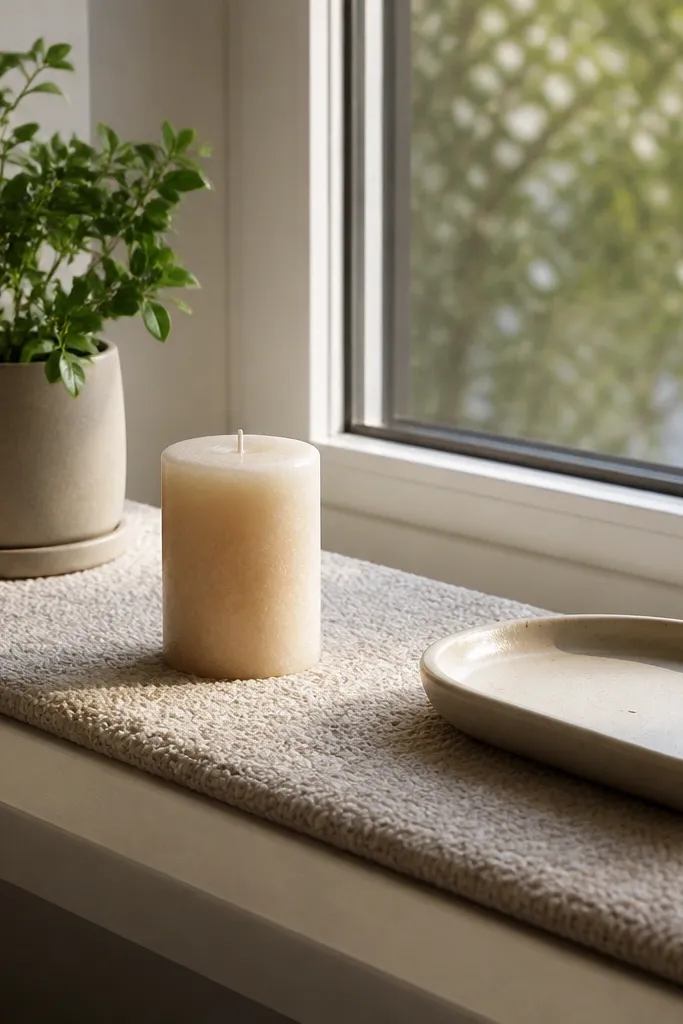
Window sills get ignored, but in a small drawing room they’re prime real estate for cozy. Use a textured runner or narrow fabric strip to soften the surface visually, then style with two heights so the eye has movement. A ceramic tray plus a small plant or candle gives warmth, and it looks good in daylight and evening light. This works when you can’t add more wall decor or your room has limited surfaces.
Editor's notePick one matte ceramic and one matte fabric; glossy items reflect lamp light and can look harsh.
Measure your sill depth and choose a runner that fits with at least 1 inch of margin on each side. Place a shallow tray in the back or center, then add a second item in front like a small candle or a stack of mini books. Use one plant in a ceramic pot or a dried arrangement for year-round look. Wipe the sill first so dust doesn’t show through the fabric.
Skip thisAvoid cluttering with more than three items; sills look messy fast in small rooms.
13. DIY framed fabric panels to cover a blank wall fast
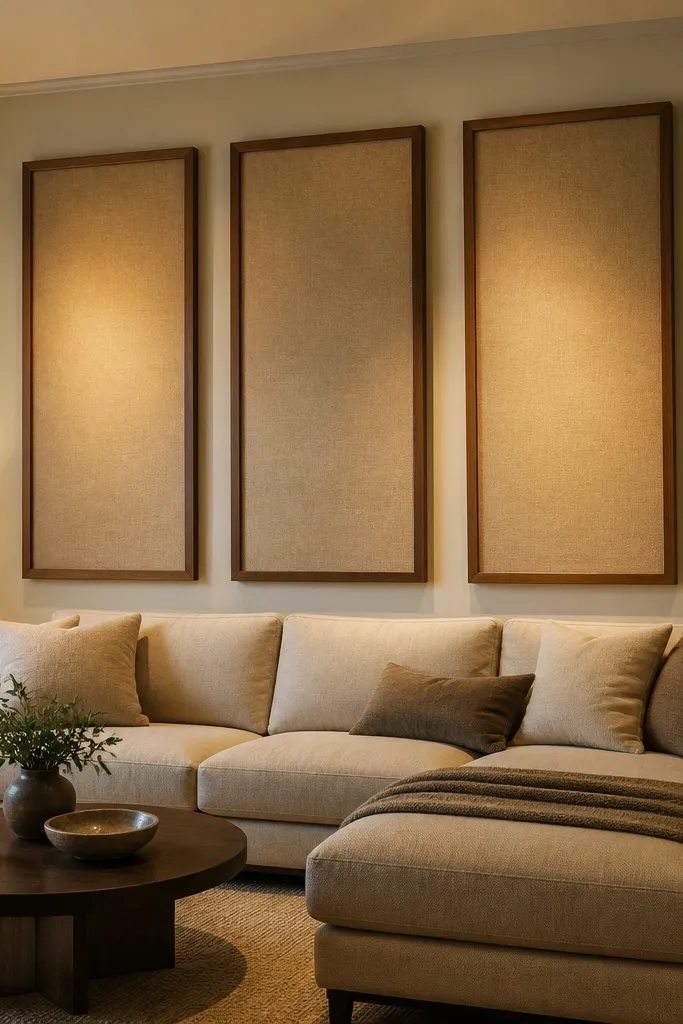
Fabric panels look softer than prints, and they add warmth without needing new furniture. For a cozy year-round drawing room interior, use linen, cotton gauze, or textured weaves in warm neutrals. The framed look makes it feel intentional, not like you hung curtains on the wall. This idea is perfect when you want cozy but your wall is too small for a big gallery or too awkward for paneling.
Choose fabric with enough body to stretch smoothly; linen blends work best. Build simple frames using 1x2 wood or buy inexpensive frame kits, then staple fabric to the back with a tight, even tension. Center the fabric and trim the edges cleanly. Mount the panels in a staggered grid or a straight row above the console, keeping spacing consistent.
Use a fabric stretcher tool or pull firmly at opposite corners so you don’t get ripples.
Don’t use thin, see-through fabric; it makes the panel look wrinkled and flat.
14. Thermal curtains with a simple hidden pocket rod trick
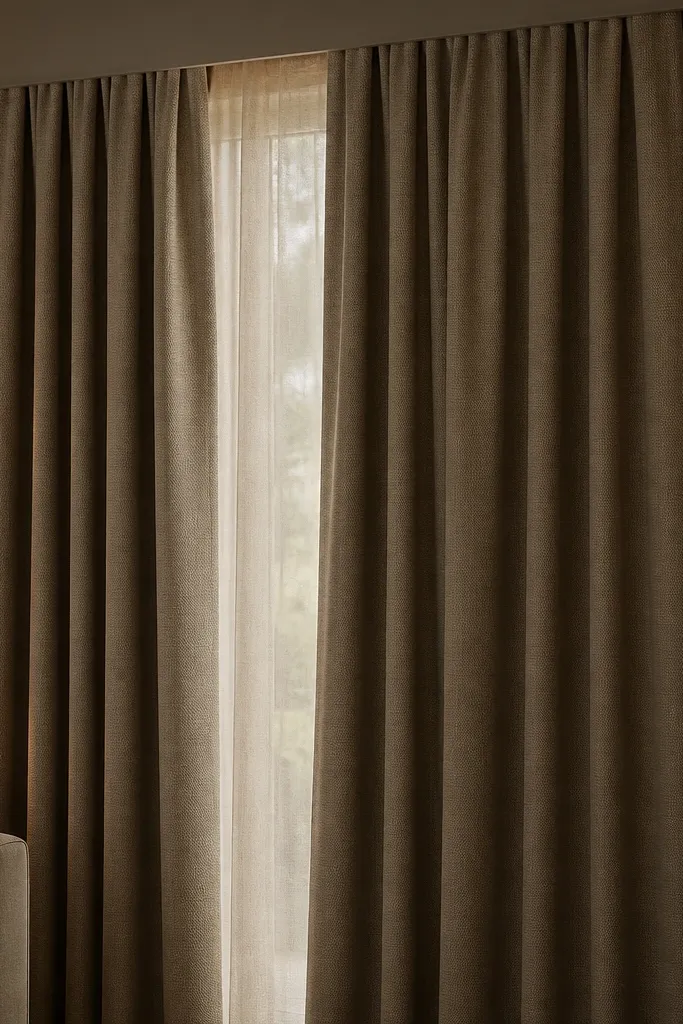
Cozy year-round drawing room interior isn’t just decor — it’s temperature. Thermal curtains make the room feel calmer in winter and less heat-sticky in summer, and they also improve how the room looks because the fabric hangs fuller. The hidden pocket rod trick keeps the top edge smooth, so you don’t see hardware. This is a solid choice when your room is drafty or your window glare makes the wall look gray.
Buy thermal curtain panels in a warm neutral and check the hanging system. Sew or add a simple fabric pocket at the top so the rod runs inside the pocket, hiding the top seam. Hang the panels high so they frame the space, then use blackout liners if you get strong afternoon sun. Steam the fabric and adjust the hems so the curtains land consistently.
Use curtain tiebacks in the same fabric so you can open them without exposing a cluttered top edge.
Avoid mixing thin sheers with no liner; you get drafts and a less cozy look.
15. Small-space media wall: pegboard behind TV with fabric storage bins
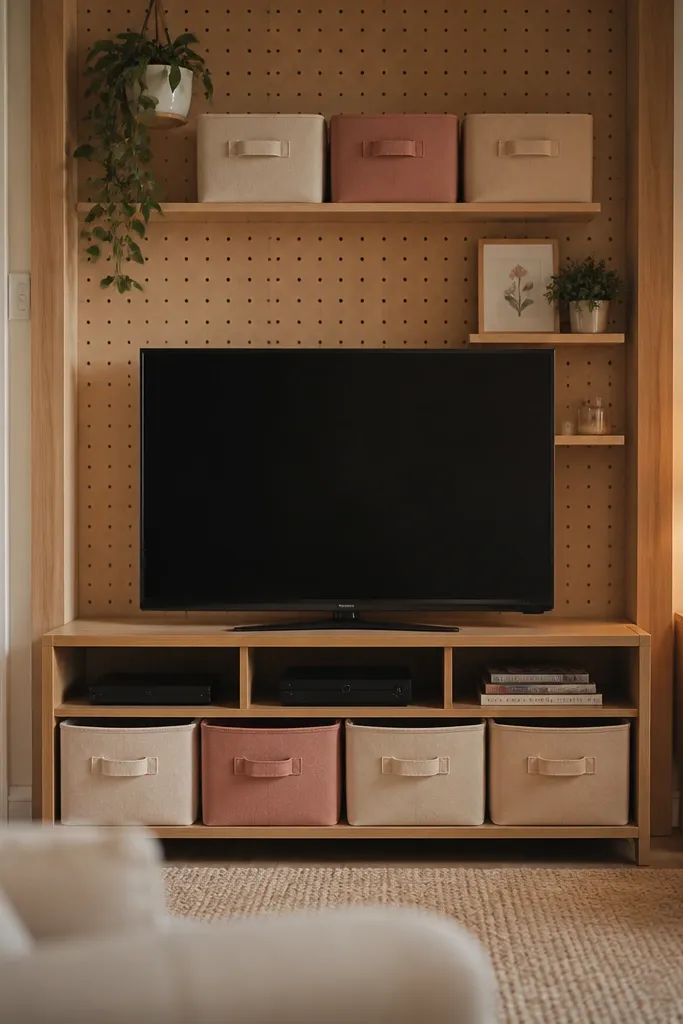
A cozy drawing room interior looks best when cords and loose items disappear. A pegboard behind a TV or media shelf lets you add storage without bulky cabinets, and fabric bins keep the texture soft. Warm lighting on the pegboard edges makes it look like built-in shelving. This project is great for small spaces because it reduces visual noise while giving you a place for remotes, games, and throws.
Editor's noteLabel bins with small tags on the inside edges so the outside stays clean.
Mount pegboard to the wall using wall anchors and a level line, then paint it matte to avoid glare. Add hooks for small items and install two or three horizontal ledges for bins. Use fabric bins with stiff sides so they hold shape and don’t sag in front of the TV. Place your lamp or light source so it hits the pegboard from the side, not straight on.
Skip thisDon’t use glossy pegboard paint; it reflects TV light and ruins the cozy mood.
16. DIY wall-mounted fabric bulletin board for soft organization
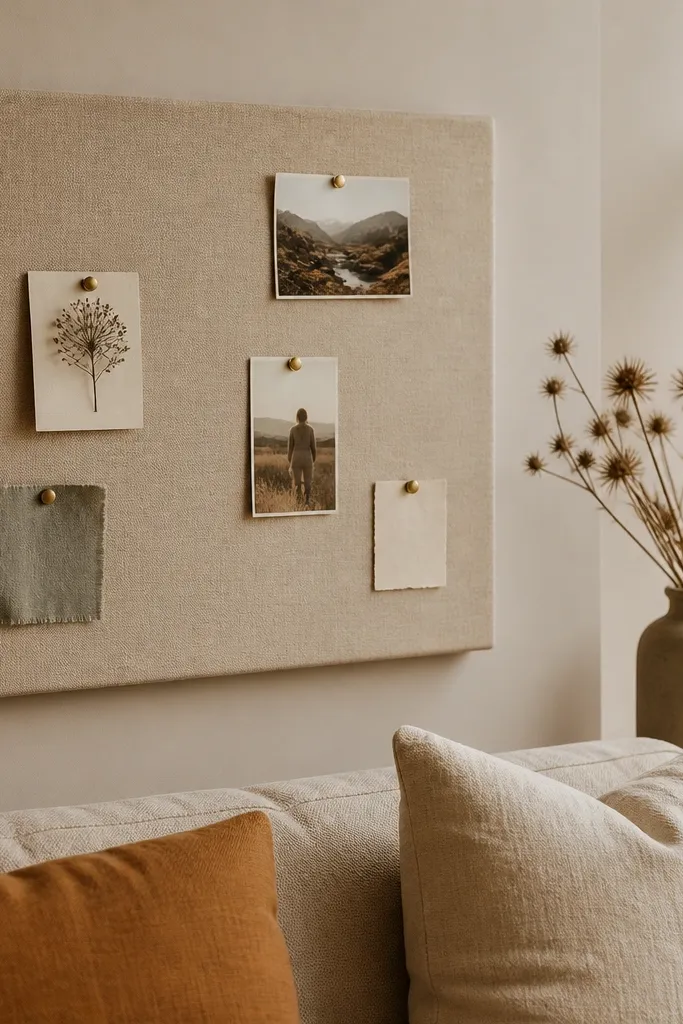
If your drawing room has papers, chargers, and random receipts, it looks less cozy even with great lighting. A fabric-covered bulletin board gives you a neat place for everyday items while adding softness to the wall. For a cozy year-round drawing room interior, use a warm fabric like linen-look canvas and keep the pins minimal. It’s also photogenic because it looks like intentional wall decor, not a stuck-on corkboard.
Cut foam board or cork board to size and wrap it tightly with fabric, stapling at the back. Mount it on the wall with picture-hanging hardware and level it. Add a small tray or clip strip beneath for keys or small cards. Style with a framed print or one small photo so the board doesn’t look like a storage area.
Use black or brass push pins for a clean look that matches most hardware finishes.
Avoid overcrowding with too many pinned items — keep it to what you actually use weekly.
17. Floor lamp with fabric shade + adjustable neck for targeted warmth
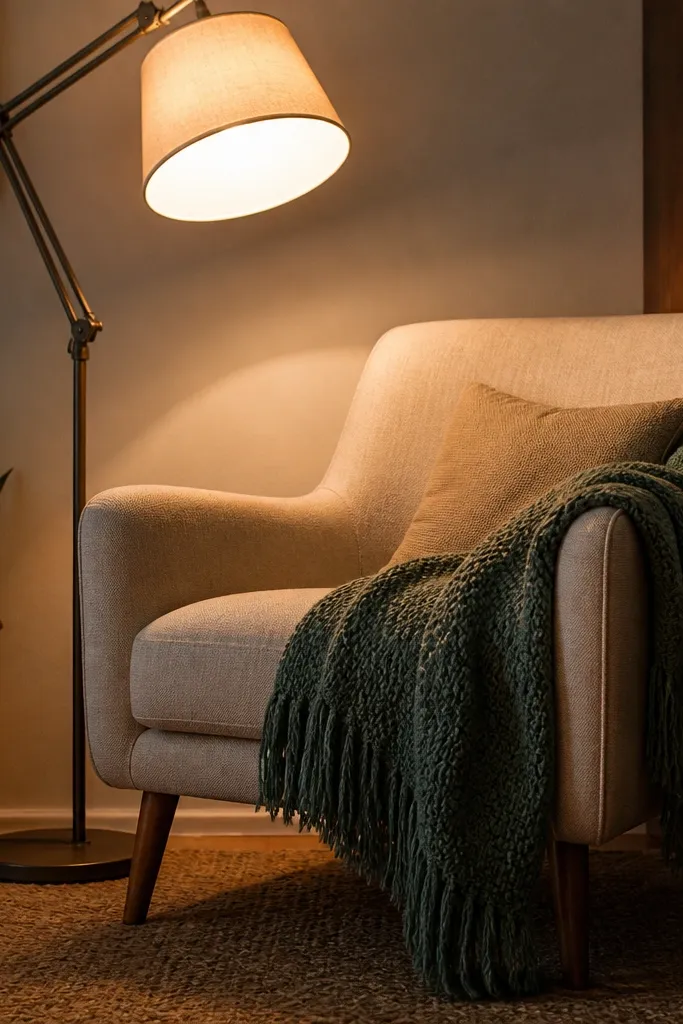
In a small drawing room, you need light that you can aim at the seating area, not just light that exists in the room. A fabric-shaded floor lamp with an adjustable neck creates cozy because it pools warm light where people sit and talk. The shade also softens harsh glare, which makes walls look warmer and textiles look richer. This project is a big visual upgrade even if you don’t touch the walls.
Editor's noteSet the lamp so it lights the coffee table and the chair face at the same time — that creates a cozy “conversational” glow.
Pick a floor lamp with an adjustable gooseneck or pivot head and a shade diameter wide enough to block direct bulb view. Use a warm bulb around 2700K and screw it in securely. Position the lamp so the light hits the side of the sofa or the chair, not the wall behind it. If the cord is visible, route it along the baseboard with adhesive cord clips.
Skip thisAvoid placing the lamp behind a taller piece of furniture; it creates shadow bands across the room.
18. Paint a small accent wall behind the sofa in warm clay (not beige)
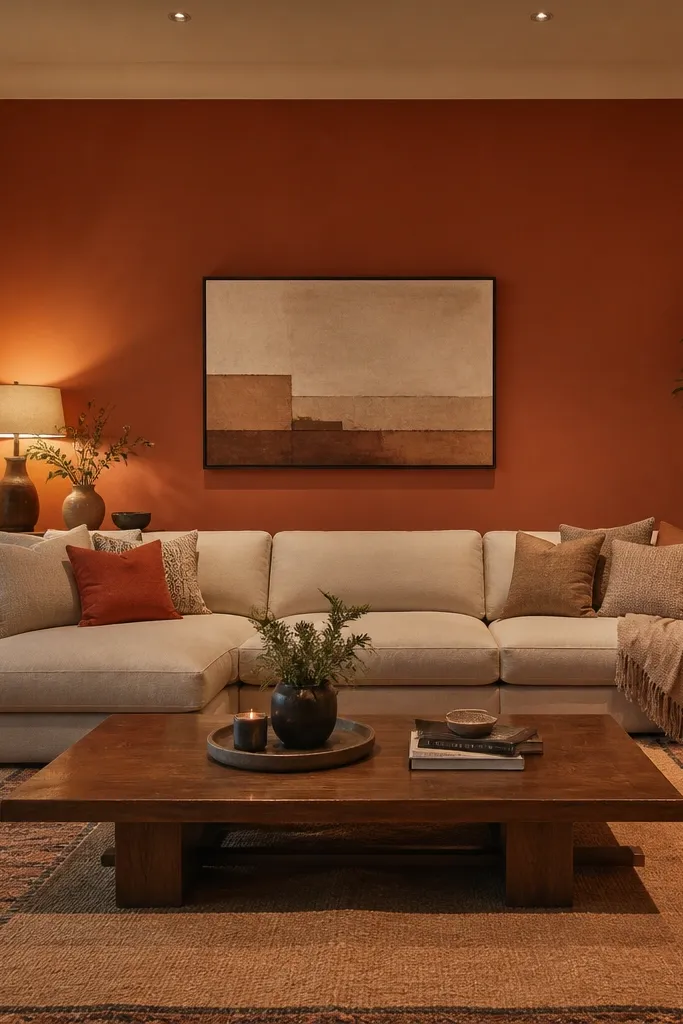
Beige accents are safe, but warm clay gives you cozy without making the room look flat. In a cozy year-round drawing room interior, the accent wall should deepen the space and make lighting look warmer, especially at night. Choose a matte finish so it absorbs glare and creates softness. This works best when the room has a single clear sofa wall and you can pull textiles from the paint color.
Editor's noteUse a matte finish on the accent wall; sheen makes it look harsher under lamp light.
Test paint on a poster board and place it against the wall where the sofa sits; check it at morning and evening light. Tape off the wall edges carefully and cut in with a brush along the trim. Roll on two coats with a matte roller cover for even texture, then remove tape while paint is slightly tacky. Add coordinating textiles like oat, cream, and warm taupe so the room feels cohesive.
Skip thisAvoid glossy paint on an accent wall in small rooms; it reflects and can make corners look colder.
19. DIY floating shelf ledge with a warm wood stain and rounded edges
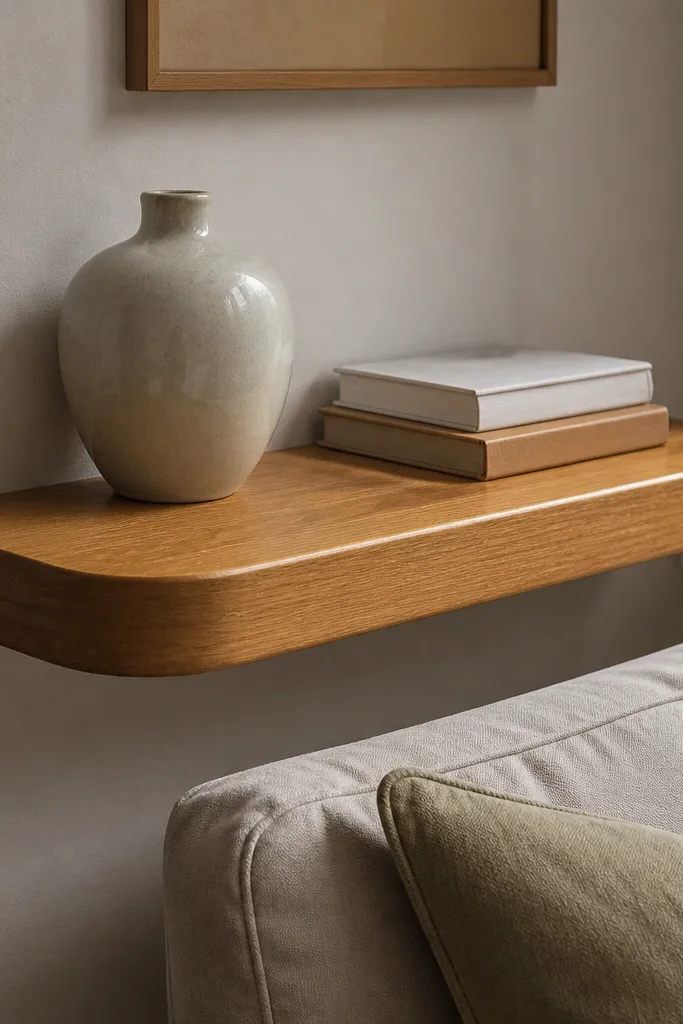
Floating shelves add vertical warmth without bulky furniture. For a cozy year-round drawing room interior, choose a warm wood tone and keep the styling minimal so it doesn’t look cluttered. Rounded shelf edges look softer than sharp corners, which helps the room feel welcoming. This is great above a sofa, beside a chair, or in a narrow wall where a full bookcase won’t fit.
Editor's noteKeep the shelf items under the shelf depth — don’t let objects hang over and cast awkward shadows.
Buy a 1x6 or 1x4 board and sand it smooth, then round the edges with a sanding block or router with a round-over bit. Stain in a warm tone like medium walnut or chestnut, then seal with a matte clear coat so it doesn’t glare. Mount with hidden shelf brackets that can handle weight — use at least two brackets and locate studs. Style with books stacked upright, one ceramic or glass object, and a small tray.
Skip thisDon’t skip sealing; unsealed wood stains pick up dust and look dull fast.
20. Layered wall lighting using plug-in sconces on a dimmer
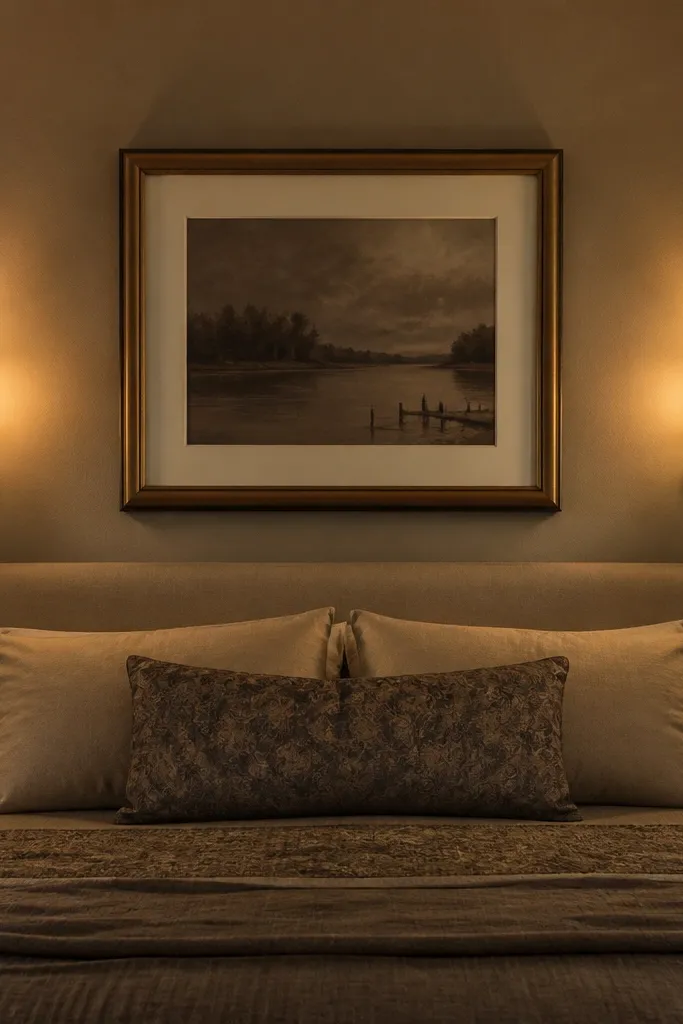
One lamp can leave corners gray. Plug-in sconces on a dimmer fix that instantly by adding wall-level glow that makes textiles and paint look warmer. For a cozy year-round drawing room interior, choose sconces with fabric or frosted shades so the light diffuses instead of blasting. This is a strong move for small rooms because you get more light without taking up floor space. It also frames the seating area visually, which reads cozy from the doorway.
Pick two matching plug-in sconces and decide placement relative to the art or the sofa back — aim for about 8 to 10 inches from the top of the frame. Install them at a height that puts the light at eye level when seated, then wire through a dimmer switch or dimmable bulbs. Use warm bulbs around 2700K. Test the light angle with the sconces temporarily taped in place before final mounting.
If the wall is textured, use frosted shades; they reduce uneven hot spots.
Avoid aiming sconces directly at glossy paint; it creates glare patches instead of cozy glow.
21. Build a slipcovered window bench with storage under the seat
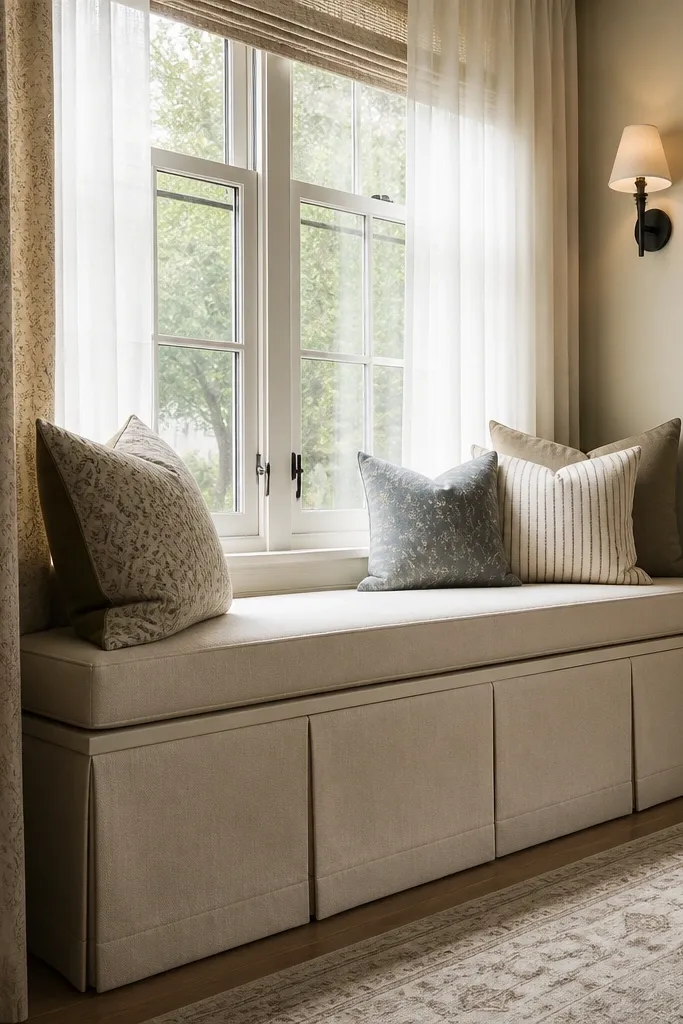
A window bench is cozy by design because it turns a dead corner into a usable seat. In a small drawing room, adding seating with storage keeps the room tidy, which makes everything else look better. For a cozy year-round drawing room interior, use slipcover-style upholstery in a durable fabric like cotton twill or performance linen-look. The seat cushions make the room feel warm, and the storage under the bench hides throws and board games.
Measure the window area and plan a bench depth of about 12 to 16 inches so it doesn’t block the walkway. Build a box frame from plywood or use a pre-made storage bench base, then add a plywood top. Wrap the seat in batting and upholstery foam, then cover with a removable slipcover or fitted upholstery fabric. Add hinges or a lift top for access, then sew or install a cushion with ties so it stays in place.
Use a zipper track on the slipcover so you can remove it quickly for washing.
Don’t make the bench too deep; deep benches steal circulation in small drawing rooms.
22. Replace throw pillows with 2 sizes and 1 texture rule
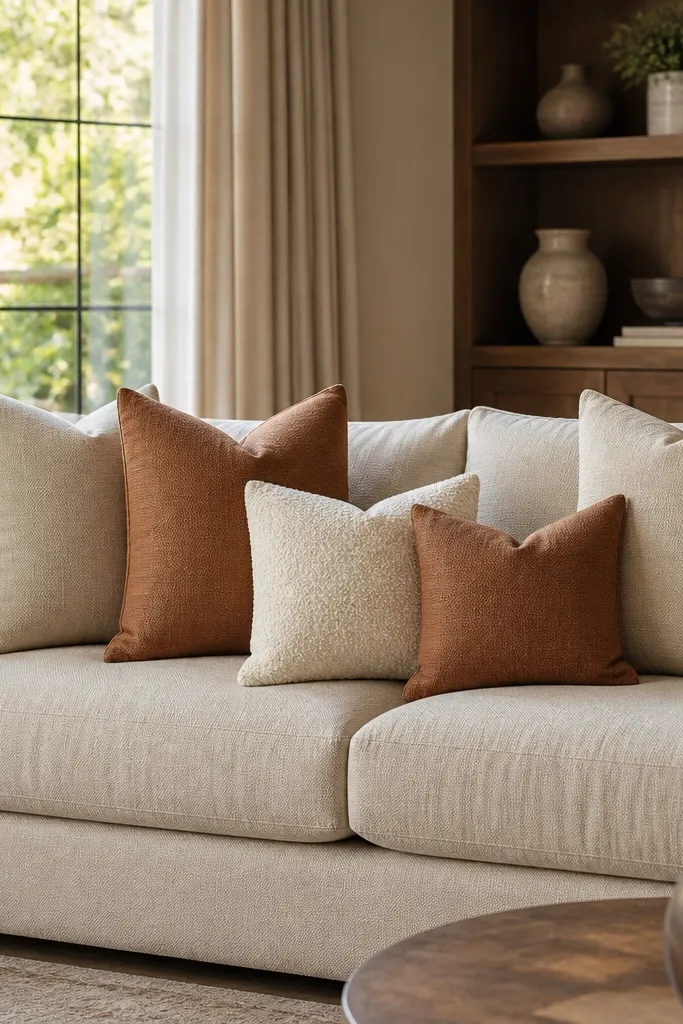
Pillows are where cozy either looks intentional or looks like you tossed things on the couch. The easiest fix for a cozy year-round drawing room interior is to use two pillow sizes and limit texture variety so the sofa looks calm. Choose covers in warm neutrals and add one textured pillow like boucle, cable knit, or woven stripe. This approach photographs cleanly because the sofa has a clear visual rhythm.
Editor's noteUse pillow covers with hidden zippers — the seam line looks neater and catches less light.
Pick two sizes: 18x18 inches and 20x20 inches (or similar). Arrange 2 of the smaller size in front and 2 of the larger behind, centered on the sofa. Use one texture cover as the “accent” and keep the other covers smooth or subtly woven. Insert pillow forms that are slightly overfilled so the pillows hold their shape; fluff and adjust until seams look straight.
Skip thisAvoid mixing too many patterns; the couch becomes a visual jumble.
23. DIY scented candle tray with heat-safe base and no-drip setup
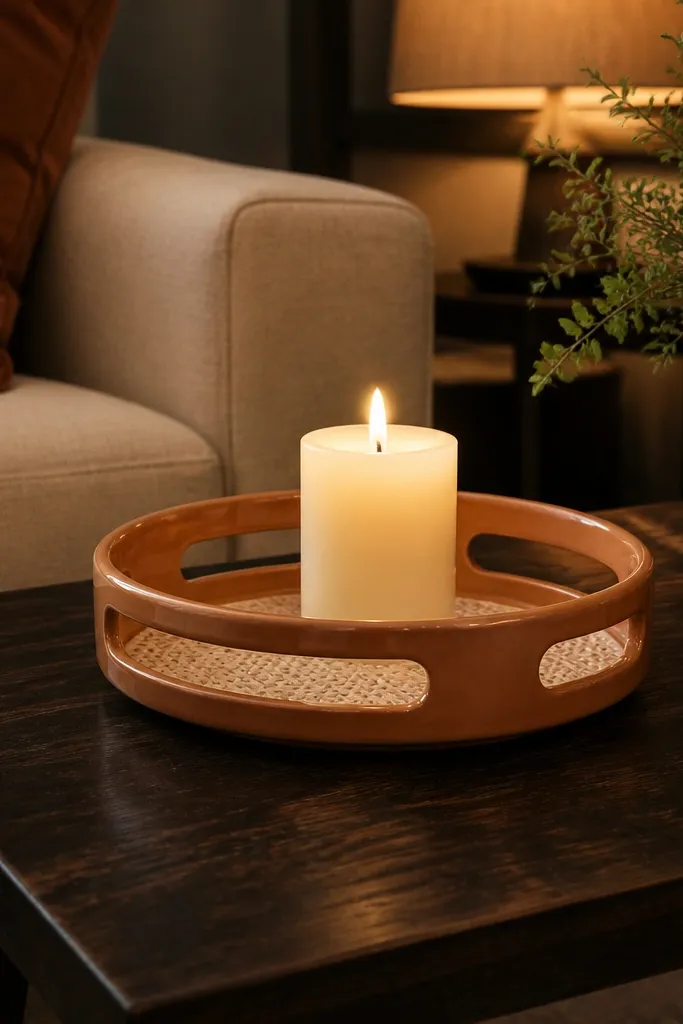
Cozy is sensory, but you don’t need messy aromatics to get there. A candle tray makes the glow look tidy, and it protects surfaces from wax drips — that’s what keeps the room looking good all year. For a cozy year-round drawing room interior, use warm colors for the tray and keep the candles consistent in height so the setup reads styled. This is a small project that has a big visual payoff at night.
Buy or make a heat-safe tray in ceramic, metal, or stone. Place two candles of similar height with enough spacing so melted wax doesn’t touch the tray edges. Add a small match holder or lighter dish so it looks intentional. Keep the tray on a stable surface like a coffee table or sideboard and wipe the base after each burn.
Trim candle wicks to about 1/4 inch before lighting; it reduces smoke and keeps the flame steady.
Avoid scented candles that sweat oil; you’ll see residue on the tray and it looks dirty quickly.
24. Warm-toned wall mirror with rounded corners for soft reflections
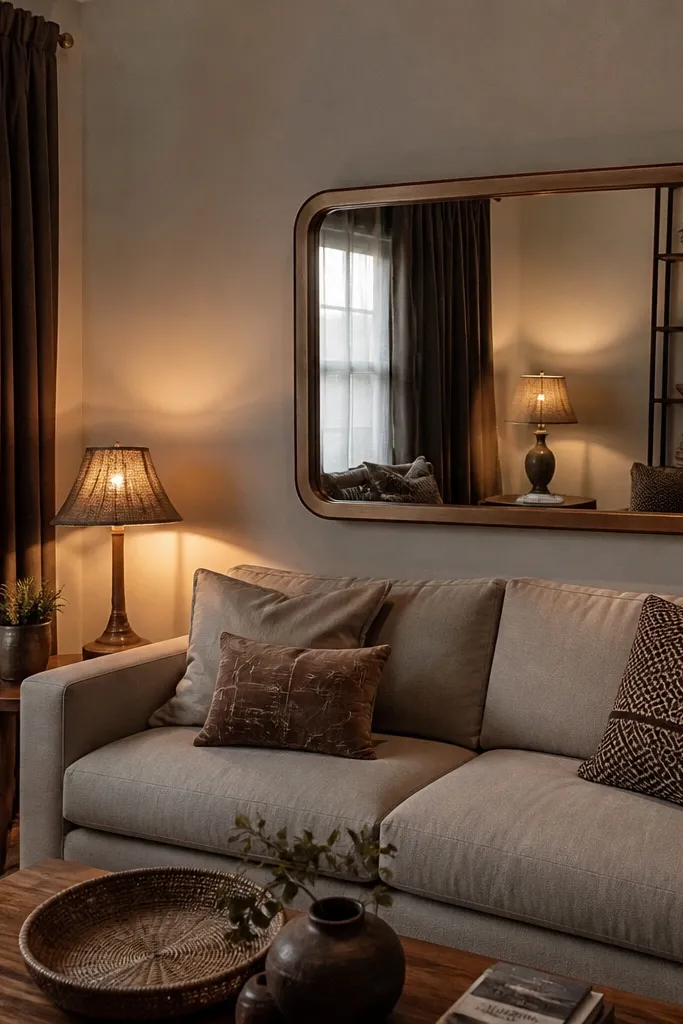
A mirror makes a small drawing room feel less boxed in, and the right frame makes it cozy instead of cold. Rounded corners soften the reflection and match warm textiles, while a warm frame finish like walnut or brushed bronze keeps the look grounded. Place it where it catches a lamp reflection so the room glows even after dark. This is one of the best visual tricks for small spaces because it adds brightness without adding stuff.
Choose a mirror size that’s noticeable but not overpowering — about 18x24 inches works well over a console in small rooms. Pick a frame finish in warm wood or bronze and avoid chrome. Hang it so the mirror reflects a lamp or window light, not a messy corner. Use wall anchors rated for the mirror weight and level it carefully.
If your mirror is in a high-glare spot, tilt it slightly so the lamp reflection lands on the wall, not in your eyes.
Avoid tiny mirrors; they look like an afterthought and don’t add enough light.
25. Sideboard styling: vertical stack + one long object to balance the room
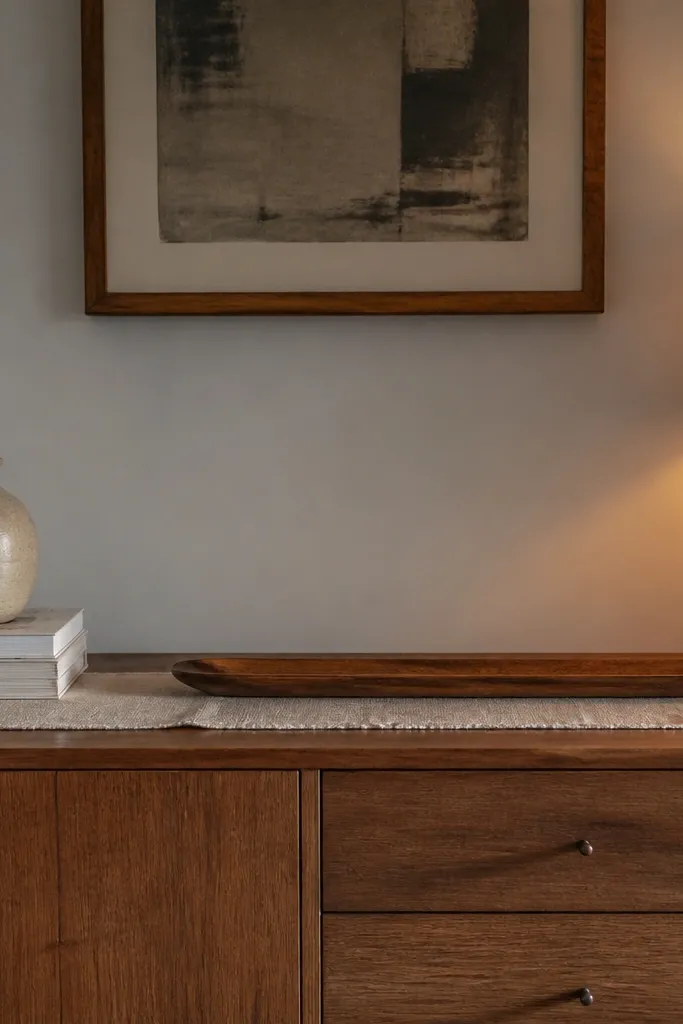
When your drawing room is small, horizontal surfaces can look empty or messy fast. Sideboard styling that uses one vertical stack and one long grounded object creates balance and makes the space feel styled from multiple angles. Choose warm materials like wood, ceramic, or linen to keep it cozy year-round. This project is practical because it also organizes daily items, which keeps the room from drifting into clutter.
Editor's noteUse a neutral tray and let color come from books and ceramic — it’s easier to refresh season to season.
Start by clearing the surface completely so you can see your baseline. Place a long tray or runner across the center, then add a vertical stack of books or a folded throw in a basket. Put one ceramic piece at the tray’s near corner and one smaller object near the far corner. Leave at least 2 inches of breathing room around the tray edges so the composition looks intentional.
Skip thisAvoid mixing too many metallic finishes; the surface looks chaotic and less cozy.