
1. Cork Board with Rotating "Today" Strip
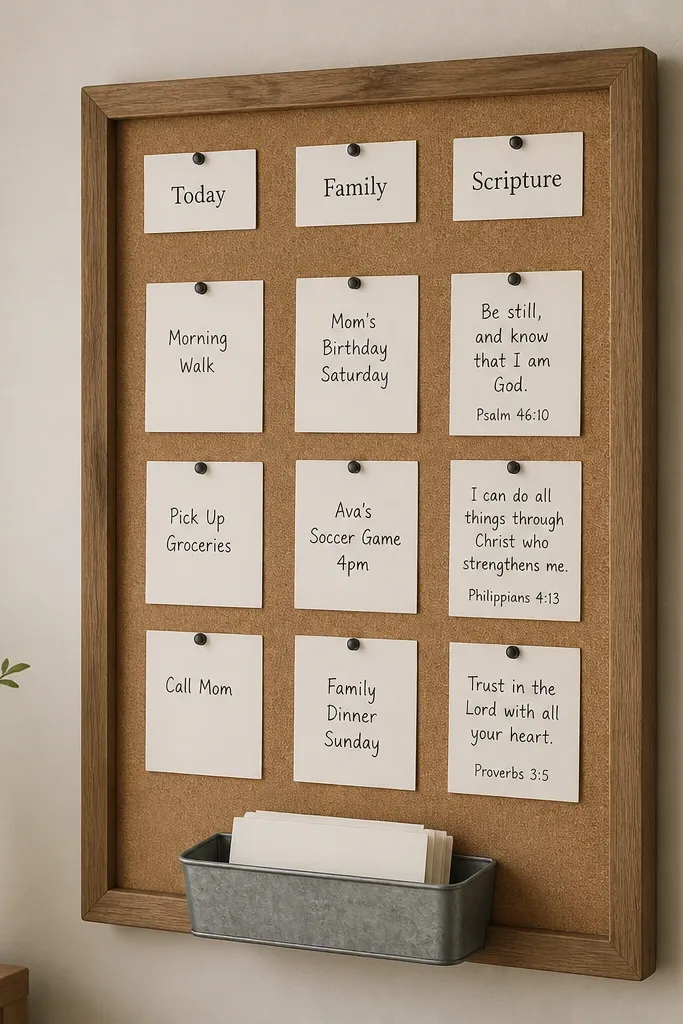
Start with a 12x16 inch cork board, then cut a 2 inch wide strip of matching cork or use a thin frame trim at the top. Pin three cards across the top using push pins and keep the bottom cards in a loose grid. Add a small bottom tray made from leftover wood or a shallow metal dish to store blanks.
This setup works because it gives you a clear starting point every time you walk by. The top “Today” strip stays fixed, while the pinned cards below rotate for requests. I use white cardstock cards with black marker so the text is readable even in warm lamp light. Cork also lets you move cards without damaging paper or leaving residue.
Skip thisAvoid using thin sticky notes — they curl and look messy on cork.
Editor's noteWrite the “Today” card on a card you can flip, so you can update the wording without rewriting everything.
2. Fabric-Covered Board with Pinned Verse Cards
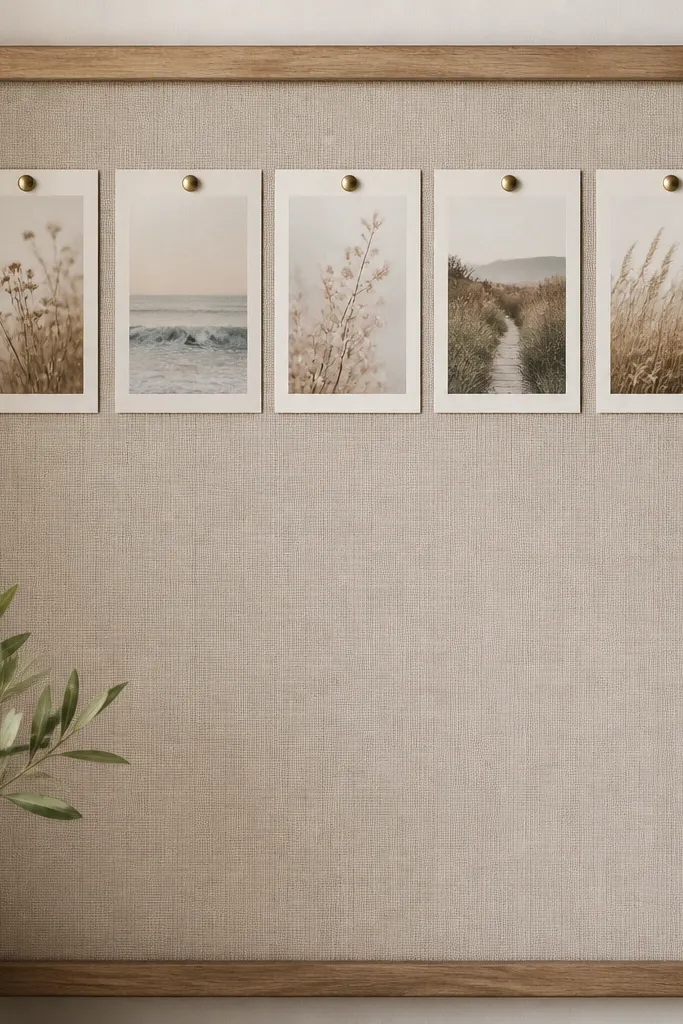
Use a 16x20 inch plywood board, wrap it with linen using a staple gun at the back, and trim the corners clean. Pin cards with short satin push pins so they don’t look sharp or shiny. Keep the verse cards in a straight row, then leave the rest for rotating requests.
Fabric makes the board look soft and calm, and pinned cards sit flatter than tape. Linen or cotton gives you a warm tone that makes the text feel personal instead of “craft project.” I like using a single font style across all cards so it looks like one system. The fabric also hides small pin holes over time.
Skip thisAvoid stretchy fabric — it distorts when stapled and the surface looks wavy.
Editor's noteAdd a thin ribbon at the back to hang it so it sits level and doesn’t sag.
3. Magnetic Sheet Board with Clip-in Prayer Pages
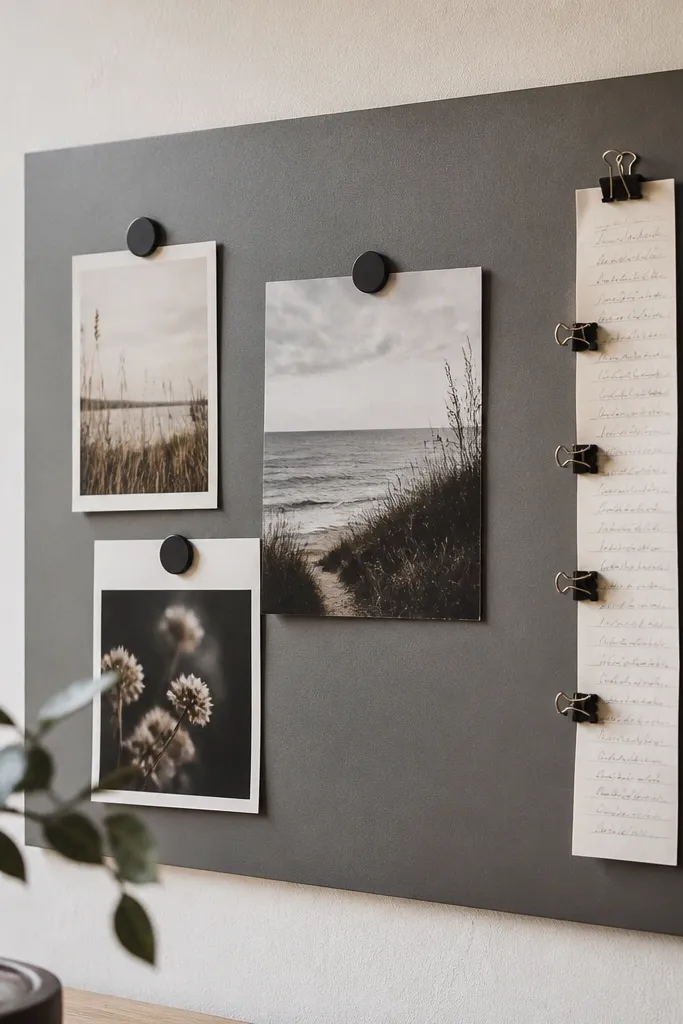
Magnets let you swap prayer requests fast, and a matte surface prevents annoying reflections. Clip-in pages keep handwriting neat and gives you a consistent “leaf” shape for each week. I like printing a simple weekly header and then clipping in one page of requests so the board never looks crowded.
Buy a 24x18 inch magnetic sheet, mount it with screws and spacers or adhesive strips made for magnets. Use 1-inch binder clips spaced 2 to 3 inches apart in a column. Place a few magnets behind the corners of clipped pages so they hold flat.
Use clear label tape on the back of each clipped sheet so you can rotate weeks in order.
Avoid glossy magnetic sheets — the glare makes the text hard to read.
4. Photo Frame Prayer Board with Sleeve Pockets
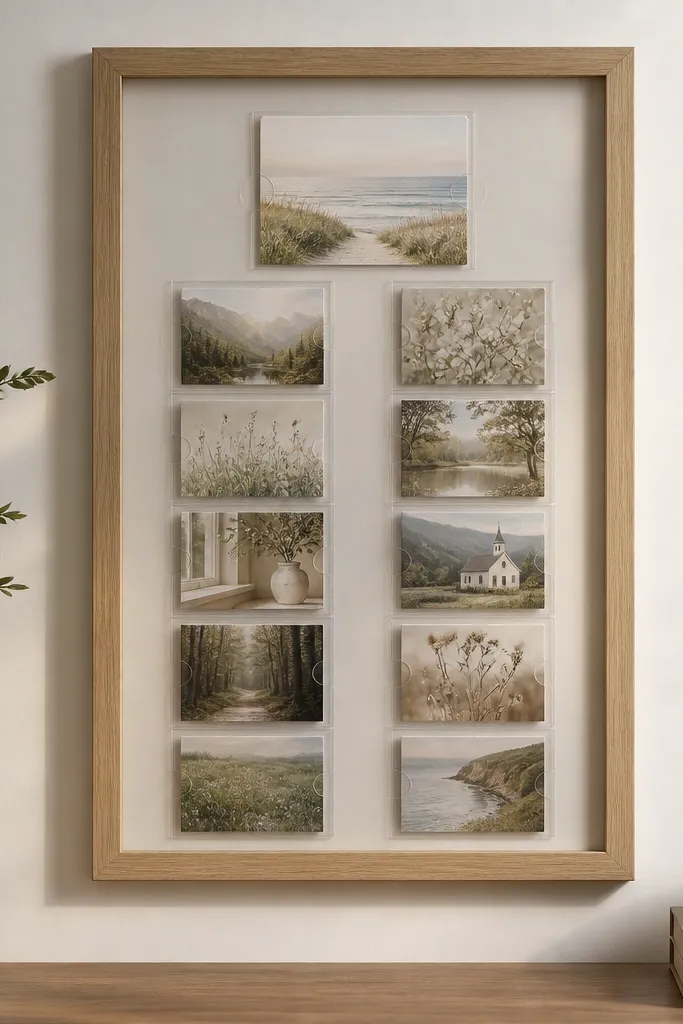
Sleeves protect paper from wear, so your board stays crisp even if you touch it daily. This is a great option if you want a neat, “gallery” look without pin holes. I’ve used this for kids' prayer prompts because sleeves make it easy to swap cards without tearing edges. The frame gives the whole thing structure.
Use a deep picture frame or a shadow box style frame, then attach a backing board with fabric or felt. Add clear sleeves made for document protection or cut plastic folders into sleeve strips. Keep sleeves in a grid: two columns for requests and one centered sleeve for the verse.
Print verse cards on thicker paper (at least 120 lb) so they don’t look translucent in sleeves.
Avoid thin printer paper — it wrinkles and looks cheap behind clear plastic.
5. Wood Slat Board with Clothespin Requests
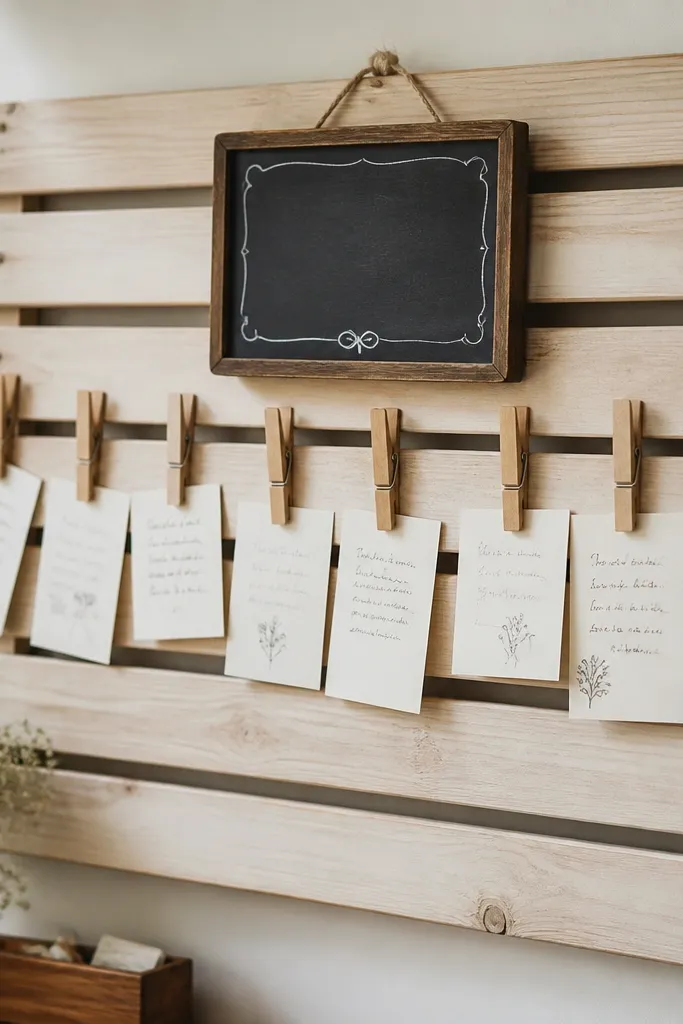
Glue and screw 1x2 inch slats to a backing board, leaving 1/4 inch gaps. Stain lightly (I use a warm oak tone) and seal with matte poly. Attach clothespins in a row, then hang cards with a consistent clip height across the board.
Clothespins add a handmade feel and make swapping cards satisfying. The slats create natural spacing, so your requests don’t blend together. I use small cards (around 3x5 inches) because they look balanced on clothespins and are easy to write. This board also works well if you prefer fewer cards at a time.
Skip thisAvoid painting slats glossy — it looks like a hardware store panel.
Editor's noteLabel the top with a small chalk strip so you can write “Monday” or “This Week” and wipe it clean.
6. Layered Cardboard Prayer Board with Tab Dividers
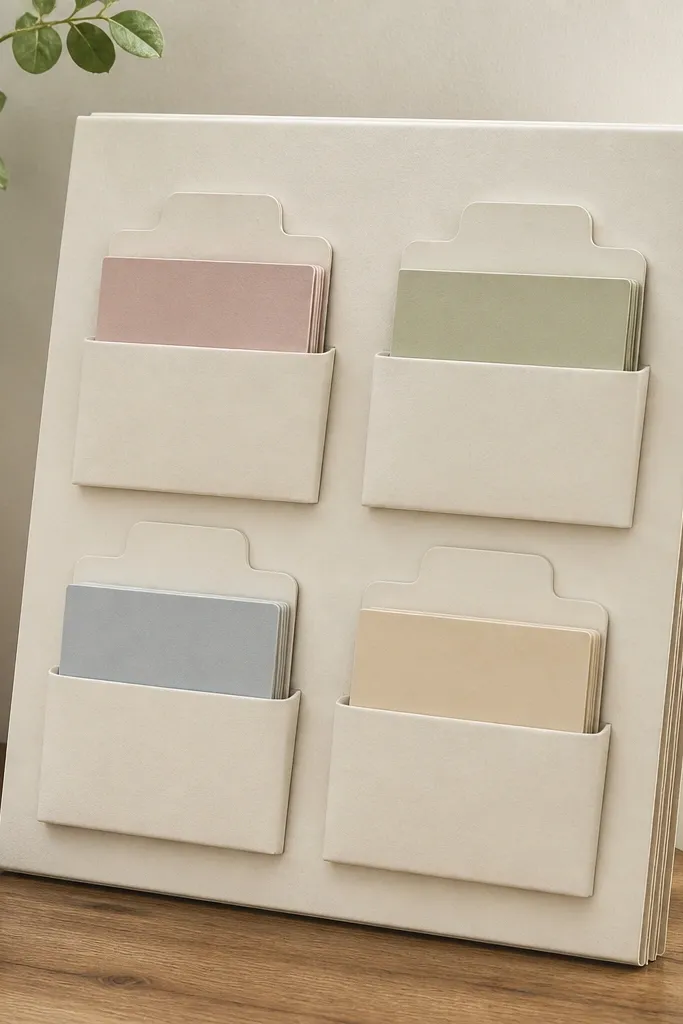
This is the easiest “zero tools” style I’ve made because cardboard is forgiving and fast. Tab dividers organize prayers so you don’t end up with one pile of notes. The pockets keep cards from sliding around when you bump the table or wall. It looks surprisingly clean when you cover everything in one paper color and use consistent tabs.
Use a 1/2 inch thick piece of foam board or layered cardboard for stiffness, then wrap it in textured craft paper. Make tabs from the same paper, 2 inches wide, and glue them so they stand out. Add pockets using folded paper strips or thin clear sleeves.
Use a ruler to score fold lines so the tabs stay sharp and straight.
Avoid mixed patterns — it makes the board look chaotic when you add handwritten cards.
7. Chalkboard Prayer Board with Pre-Drawn Boxes
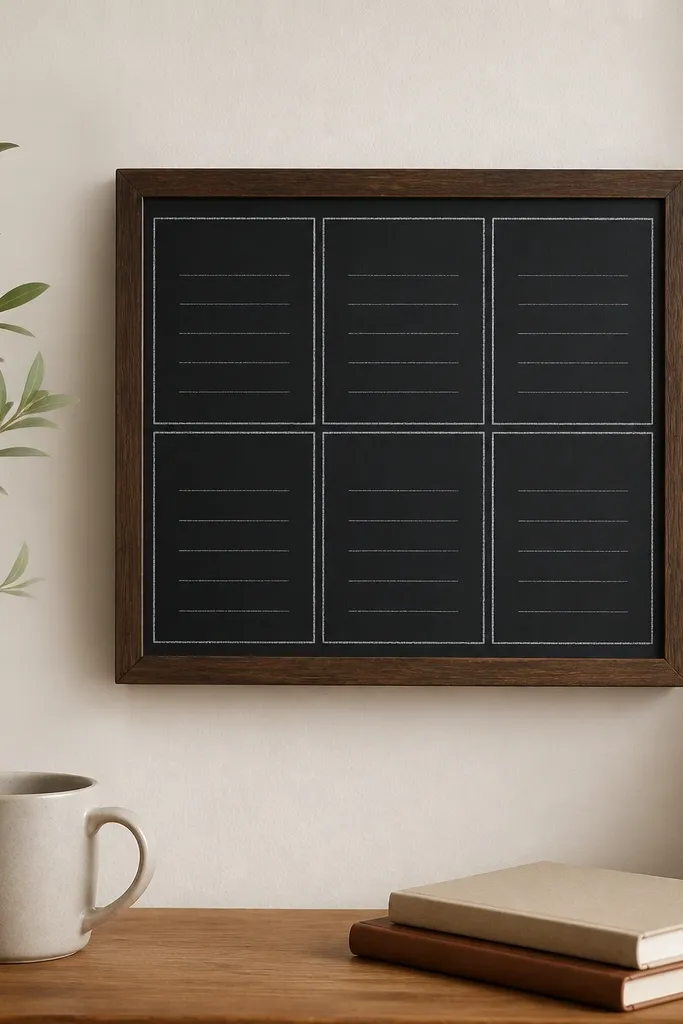
Chalk gives you freedom to write as you feel led, and boxes keep it from turning into scribbles. I like drawing simple boxes first, then updating the content inside each box. The grid structure makes it easy to see what’s been prayed for that week. It also reads well from across the room because the layout is fixed.
Use a 12x18 inch chalkboard panel, then draw a border and six rectangles with white chalk. Keep each box around 4x5 inches so writing stays legible. Wipe with a dry microfiber cloth between updates; avoid wet cleaning early on.
Add a small eraser tray made from an old tin lid so you always have it ready.
Avoid thick chalk layers — they smear and look cloudy.
8. Mini Prayer Board on a Serving Tray with Stand-Up Cards
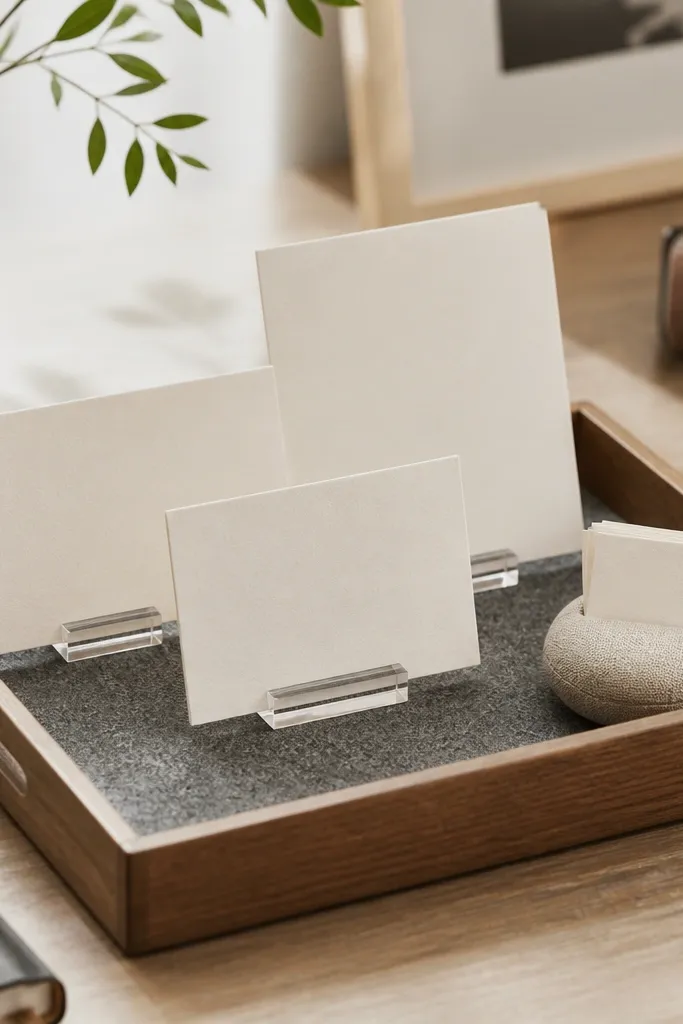
This is my go-to when you do not want a wall project. A desk tray keeps the board near where you pray, and standing cards are easy to read without reaching. Felt hides messy pin holes and makes the cards look intentional. I made one for my kitchen counter and used it daily for two months without changing anything but the cards.
Use a 10x14 inch serving tray with a flat bottom. Cover it with felt and add a small pin cushion or magnetic strip for holding blanks. Use acrylic card stands or small wooden easels so the cards stand at a slight angle.
Write dates in the top corner of each card so you can spot patterns in your prayers.
Avoid glossy tray surfaces — cards slide and you end up chasing them.
9. Prayer Board with Washi-Tape Hinges for Swapping
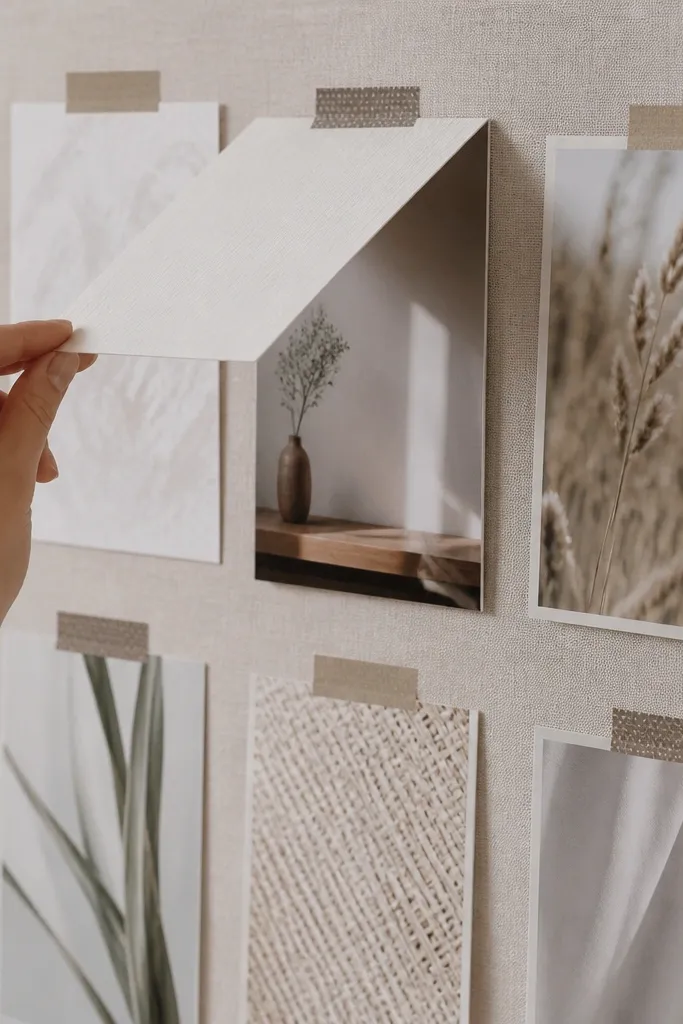
Hinged attachments let you open a card to read the back or update the front without peeling tape off repeatedly. Washi tape tears cleanly and leaves minimal residue, which keeps the board looking tidy. I like this for laminated prints because the hinge holds shape and the card flips smoothly. It also keeps cards aligned even when you swap them often.
Cut tape strips about 1 inch wide and apply them only along the top edge of each card. Press the hinge onto the board, then attach the card so it can fold upward like a book. Use 4x6 inch cards so they have enough space for text and flipping.
Label the back of each card with a tiny dot color so you can find the right one quickly.
Avoid covering the entire card with tape — it makes it look thick and sloppy.
10. Gratitude + Prayer Split Board Using Two Colors
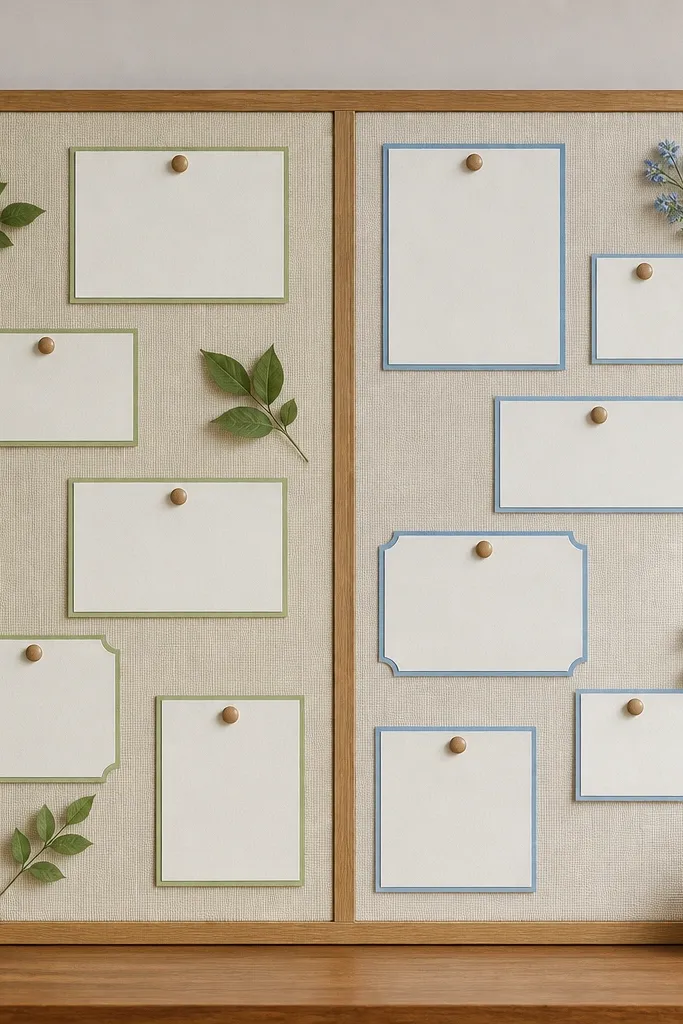
People forget gratitude when the board is only requests. Splitting into two color zones makes the routine feel balanced and stops the board from becoming all heavy. I use green for gratitude cards and blue for requests because it creates an instant visual separation. The board stays readable because each half has its own grid.
Use a 16x20 inch cork or fabric board and divide it with a thin painted wood strip. Create two card styles: gratitude cards with a green border and requests with a blue border. Pin cards in rows so you can add without crowding.
Limit gratitude cards to 5 at a time so it stays intentional instead of full.
Avoid mixing colors on the same card — it makes everything blend together.
11. Alphabet Prayer Board for Kids with Letter Prompts
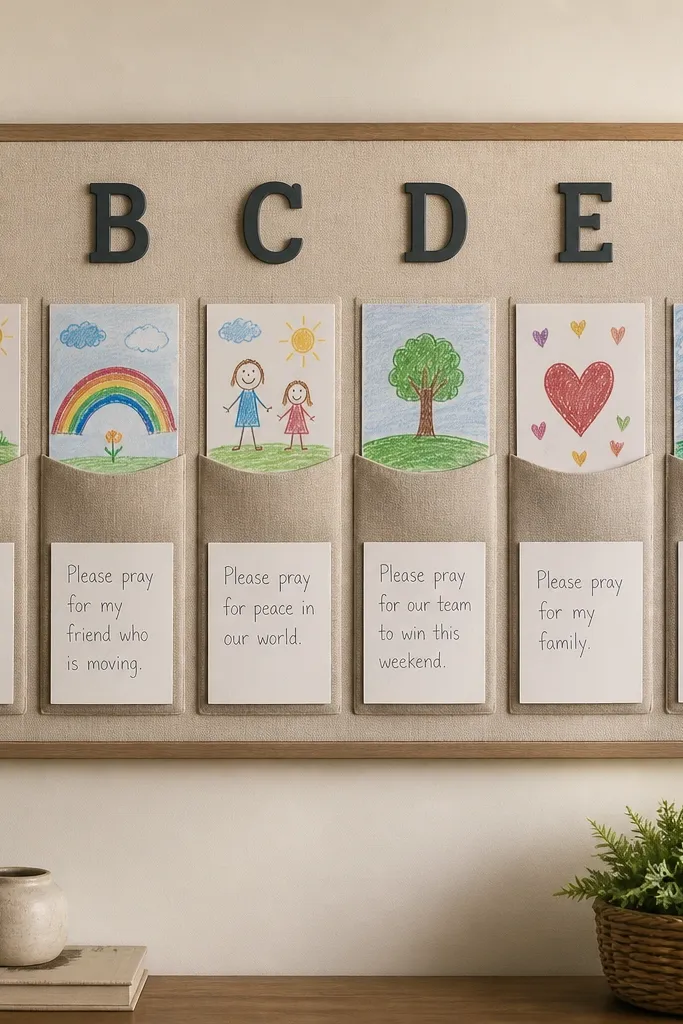
Alphabet prompts turn prayer into a game without losing meaning. When kids see A for Answers, B for Blessings, C for Comfort, they know what to write or draw. I’ve used this with my niece, and she adds a card more consistently than when I asked for “a prayer request.” The pockets keep the drawings from bending.
Make six pockets using clear document sleeves stitched or glued onto felt backing. Use a grid layout and keep pocket width around 4 inches. Add letter cards with thick black marker and laminate them so they last.
Use crayons for the kids' part, then write the prayer sentence in black marker on a small strip.
Avoid tiny pockets — kids' papers crumple and fall out.
12. Bible Verse Board with Layered Paper Borders
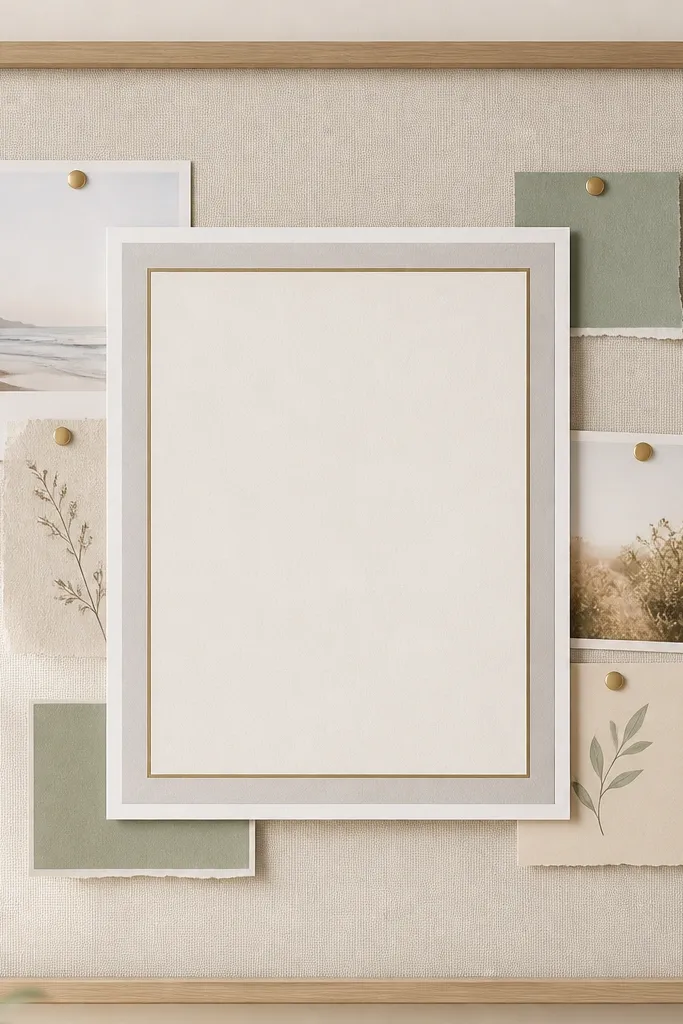
Layered borders make a single verse feel like it belongs in your home, not like a random printout. I like using one main verse card and then adding small supporting cards around it for context. This style works when you pray more by reading than by writing. It looks polished because the borders create a consistent frame.
Start with a 16x20 inch matte board in light gray or cream. Cut layered borders from cardstock: one 1/8 inch larger than the verse card, another 1/4 inch larger. Mount the verse card with photo corners or double-sided tape at the back edges only.
Use a ruler to keep border thickness even all the way around.
Avoid using too many fonts — it makes the verse card look busy.
13. Pegboard Prayer Board with Numbered Peg Slots
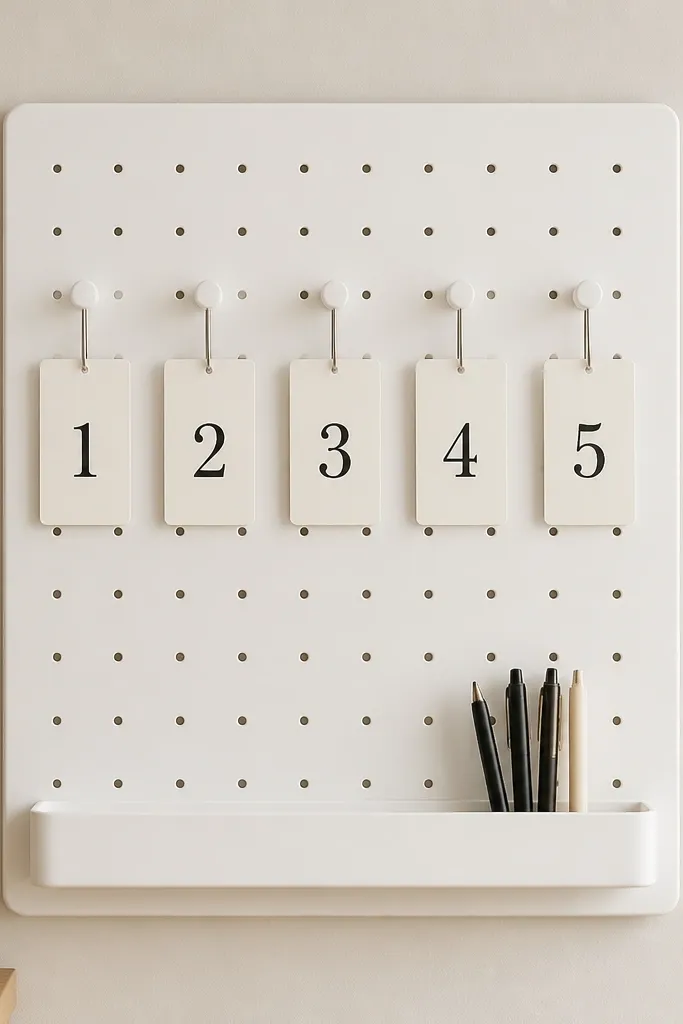
Mount pegboard on a small wood frame or directly to a wall. Use five small hooks and hang card clips or mini clothespins under each number. Keep cards 3x5 inches and write the category label at the top in bold.
Pegboards are strong, and hooks keep cards from sagging. Numbered slots help you follow a simple order: 1 Praise, 2 Requests, 3 Intercession, 4 Gratitude, 5 Action. I like this because it turns prayer into a sequence without making it complicated. The white pegboard also makes handwritten cards stand out.
Skip thisAvoid overcrowding hooks — five categories is enough for most people.
Editor's noteAdd a pen holder made from a small jar so you never hunt for one.
14. Wood Sign Prayer Board with Hanging Ribbon Cards
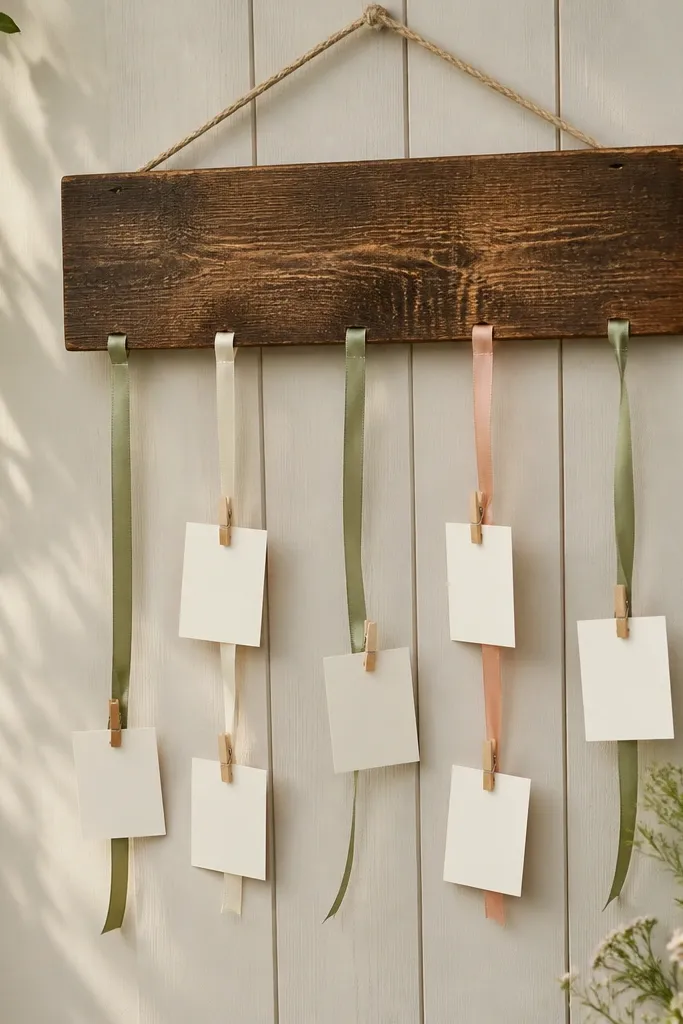
Use a 12x24 inch wood board, paint the top phrase area with chalk paint or leave it stained. Drill 6-8 small holes along the bottom edge and thread ribbon through. Clip 3x4 inch cards to ribbon ends with mini binder clips.
Ribbons make the board feel light, and hanging cards are easy to swap without pinning. This style is good for short requests and praise notes because cards stay visible. I use muted ribbon colors like dusty rose or muted sage so it doesn’t look childish. The movement also draws your eye when you walk past.
Skip thisAvoid slippery satin ribbon — clips slide and cards end up uneven.
Editor's noteMake one ribbon a different width for the “Today” card so it’s instantly findable.
15. Laminated Prayer Cards with Index Pocket System
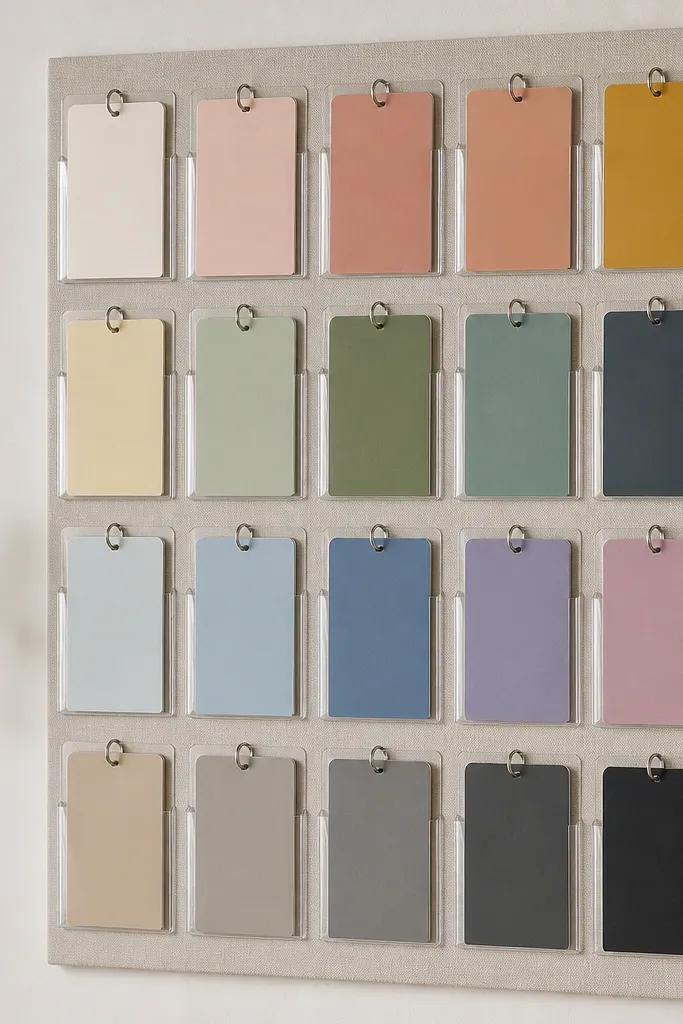
Laminated cards last, and the rounded corners look clean. The index pockets keep everything aligned, so even if you add cards weekly, the board stays orderly. I like using laminated category cards like Healing, Guidance, and Family so you can reuse them. This also works well in homes with kids since laminated cards survive sticky hands.
Make pockets from clear plastic document protectors and attach them to a fabric backing board. Use category cards sized 3x5 inches and laminate them before inserting. Add a small ring clip at the top of each pocket page so you can remove quickly.
Write on laminated cards with a dry-erase marker and wipe weekly.
Avoid mixing marker types — permanent ink on laminated surfaces looks messy.
16. Corner Shelf Prayer Board with Standing Frame
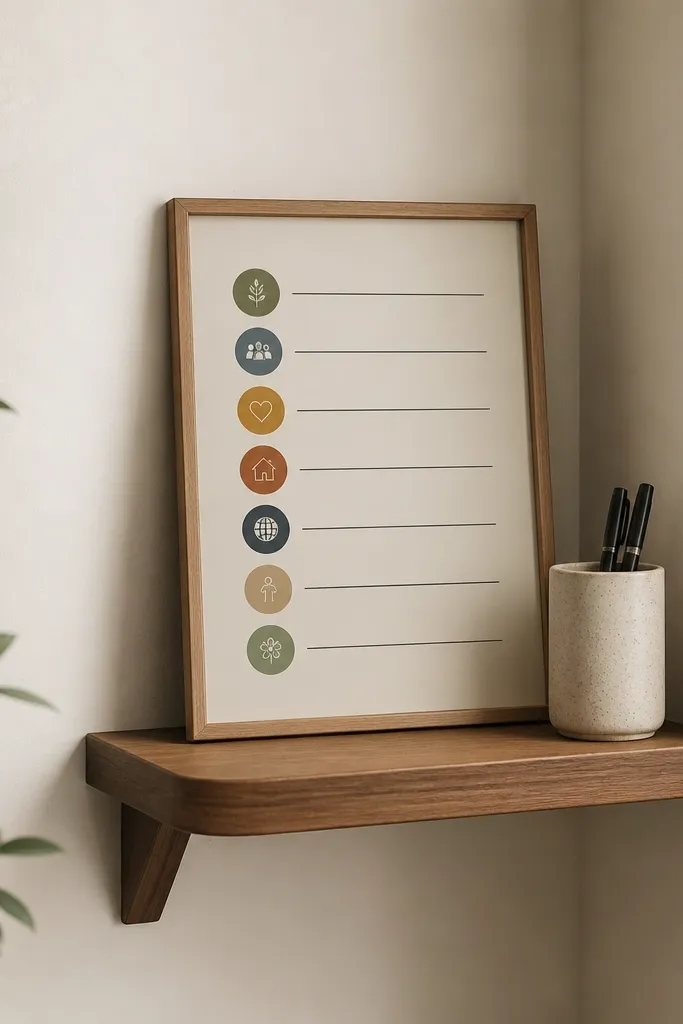
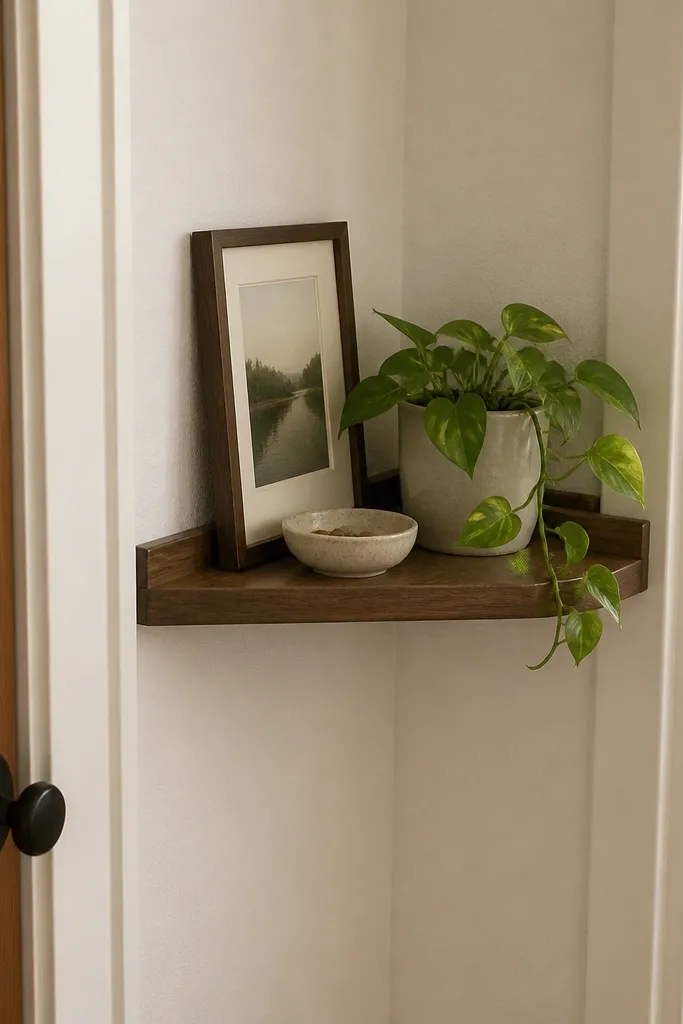
Use a 10x20 inch narrow shelf bracket or a small corner shelf. Mount a 5x7 inch standing frame on the shelf and add a magnetic strip or clip system behind the frame backing. Keep category list to four lines so it stays readable.
This setup is for people who pray in short bursts and want the board ready without wall mounting. A standing frame stays stable and looks like decor, not a craft. The shelf gives you a place for pens, extra cards, and a small candle if you use one. I made this for a guest room and the setup made it easy for visitors to participate without asking.
Skip thisAvoid stacking too many extra cards on the shelf — it looks like clutter.
Editor's noteUse a short pencil cup instead of full-size pens to keep the shelf tidy.
17. Dry-Erase Prayer Board on a Wooden Panel
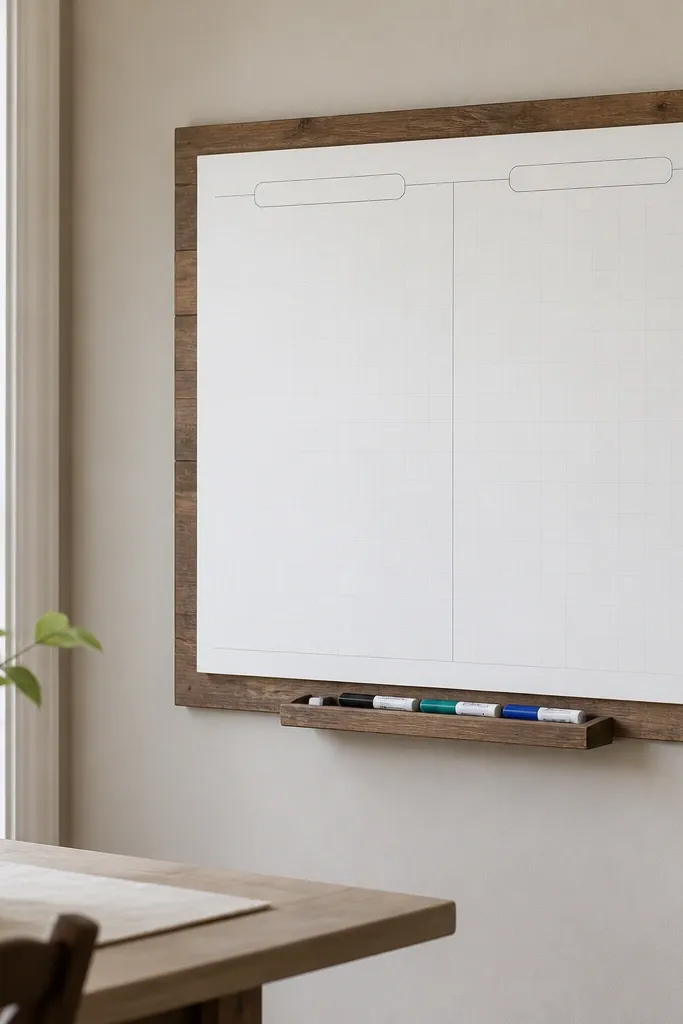
Dry-erase is the fastest way to keep your board updated without paper. When you write directly, you avoid printing costs and constant swapping. The grid keeps handwriting neat, and the board always looks “fresh” because you can erase in seconds. I use this when I’m in a season of frequent changes.
Sand a small wood panel, then paint with dry-erase coating in two thin coats. Draw a grid with a ruler and eraseable marker. Add a magnetic marker tray or a glued-on small ledge for storage.
Write in two colors only: one for requests, one for gratitude.
Avoid thick paint layers — it makes writing feel tacky and smudges.
18. Prayer Board with Clear Acrylic Divider Strips
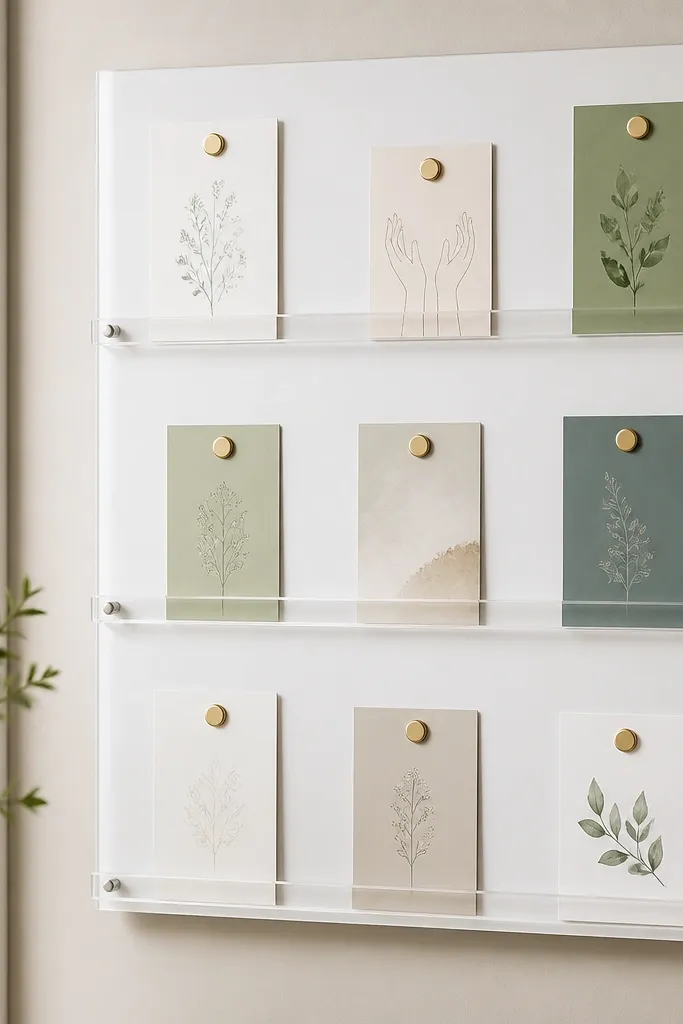
Clear dividers make your sections look crisp without adding bulk. You get a clean layout even when cards overlap slightly, and the acrylic keeps the board looking neat. I like white backing because it makes dark text readable. This style is great if you want a modern look.
Mount a sheet of white foam board or matte white panel. Attach acrylic strips with standoffs or strong mounting tape so sections have visible boundaries. Use small magnets to hold cards in each section and keep card sizes consistent.
Cut acrylic strips with a straight edge and sand edges lightly so they don’t look rough.
Avoid leaving acrylic with fingerprints — it catches light and looks messy.
19. Ring Binder Prayer Board with Flip Tabs
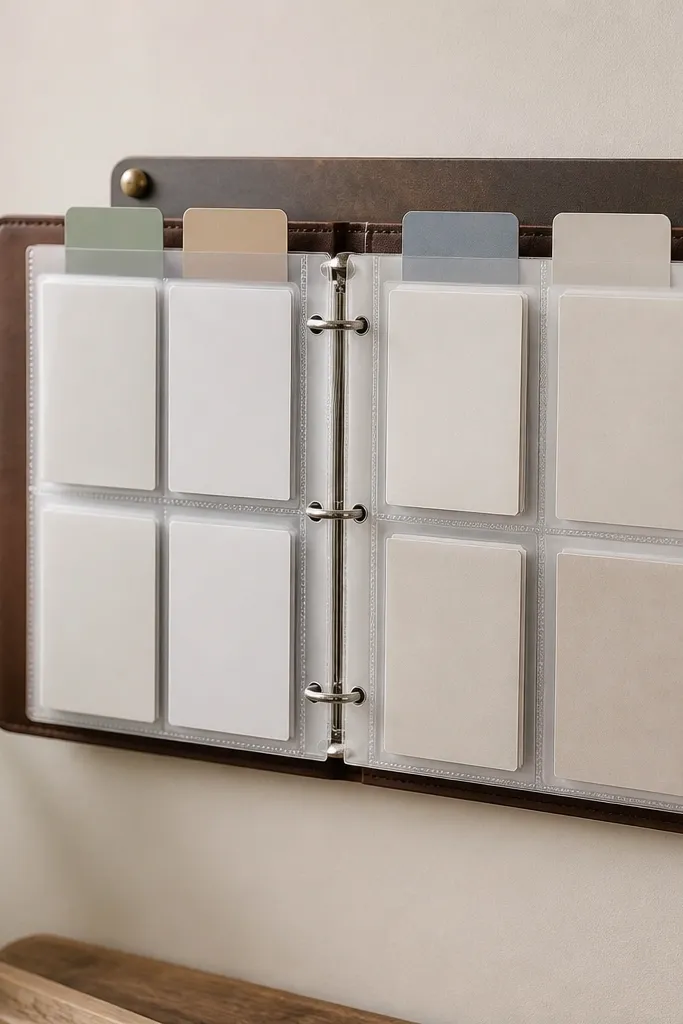
A ring binder style is surprisingly practical because you can add pages without remaking the board. Flip tabs keep you moving through categories in order. I like clear sleeves because they protect pages and make it easy to swap handwritten cards. When your prayer life changes, the binder adapts.
Use a large binder (like 8.5x11) mounted on the wall with a simple shelf bracket. Add clear sleeves and put one category page per sleeve. Use metal rings and clip in card inserts sized 4x6 inches.
Create a “weekly” page and a “daily” page so you don’t mix timeframes.
Avoid loose paper without sleeves — it curls and catches on rings.
20. Wooden Clipboard Prayer Board for Weekly Updates
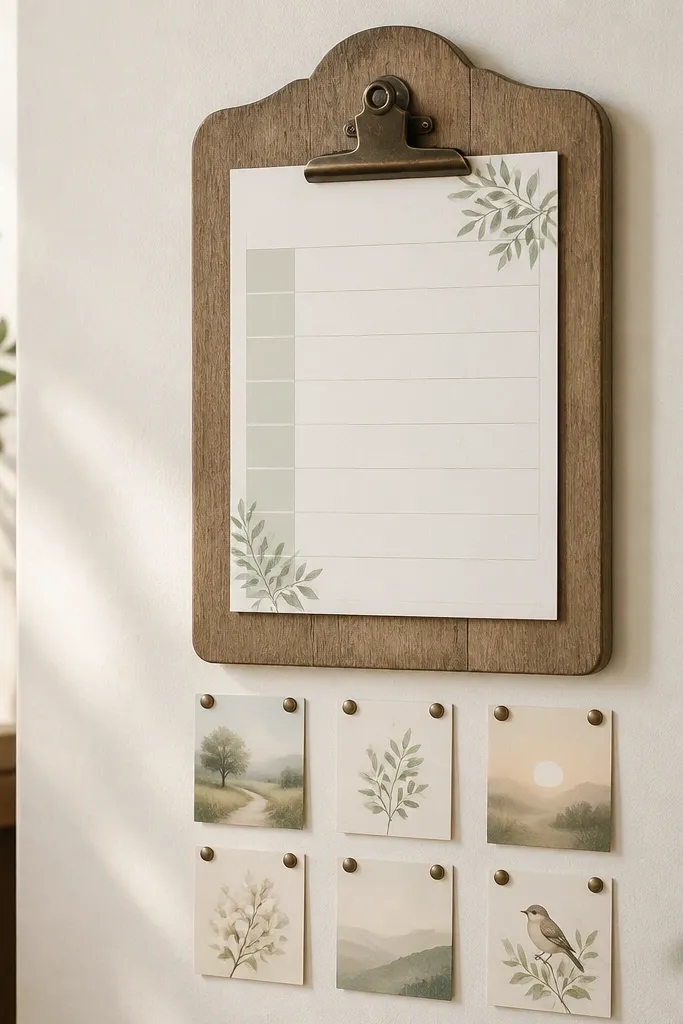
Mount a sturdy clipboard (around 9x12 inch) to a wall. Clip in a printed weekly page with sections for each day. Add two small cork squares or a small fabric strip below for pinned cards.
A clipboard makes the board feel like it belongs in your home office, not a craft corner. The clipped weekly sheet is your anchor, and the small cards underneath handle extra notes. I like this for people who forget to update boards because the clipboard makes the current sheet obvious. It also keeps paper flat.
Skip thisAvoid clipboards with cheap metal springs — they loosen and the sheet slips.
Editor's noteWrite the week’s dates in the top right corner so you can tell what’s current at a glance.
21. Prayer Board with Small Terracotta Tiles and Labels
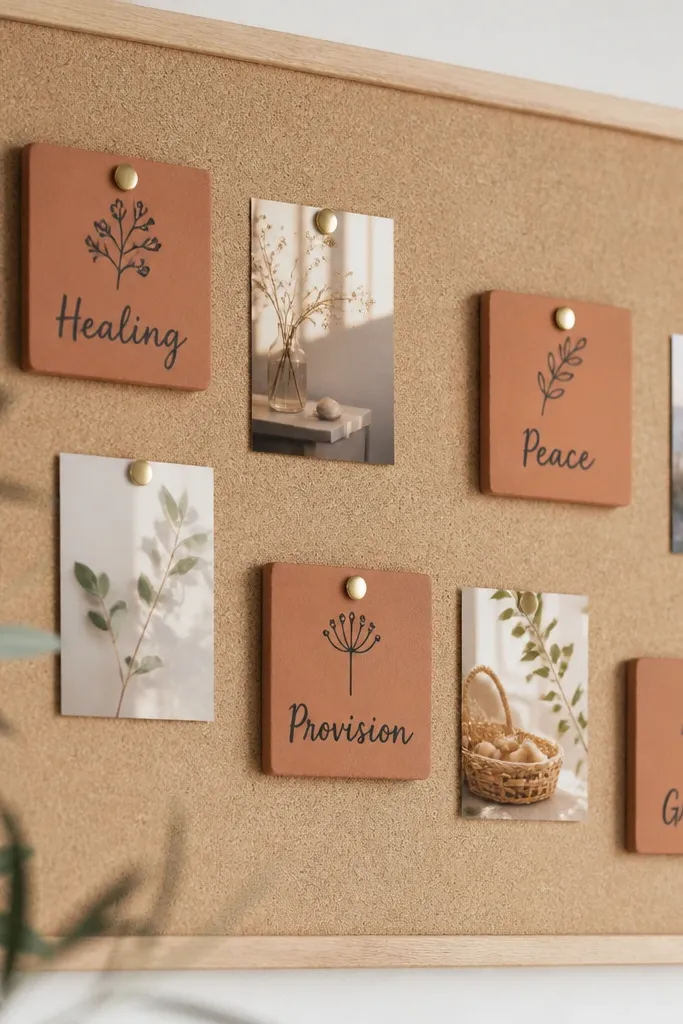
Terracotta tiles add texture and make your board feel grounded. Labels on tiles keep your categories consistent, and the small cards handle specifics for the week. I like this when I want the board to look warm, like it belongs in a living room. The tiles also make it harder for cards to look scattered.
Glue small terracotta tiles to a cork base, then add labels with permanent paint marker or ceramic paint pen. Pin or clip small cards next to each tile using binder clips. Keep tile size around 1.5 to 2 inches so the board stays readable.
Seal the labels with clear matte sealant so your handwriting doesn’t fade.
Avoid using regular Sharpie directly on tile without sealing — it smears.
22. Minimal Monochrome Prayer Board with One Accent Color
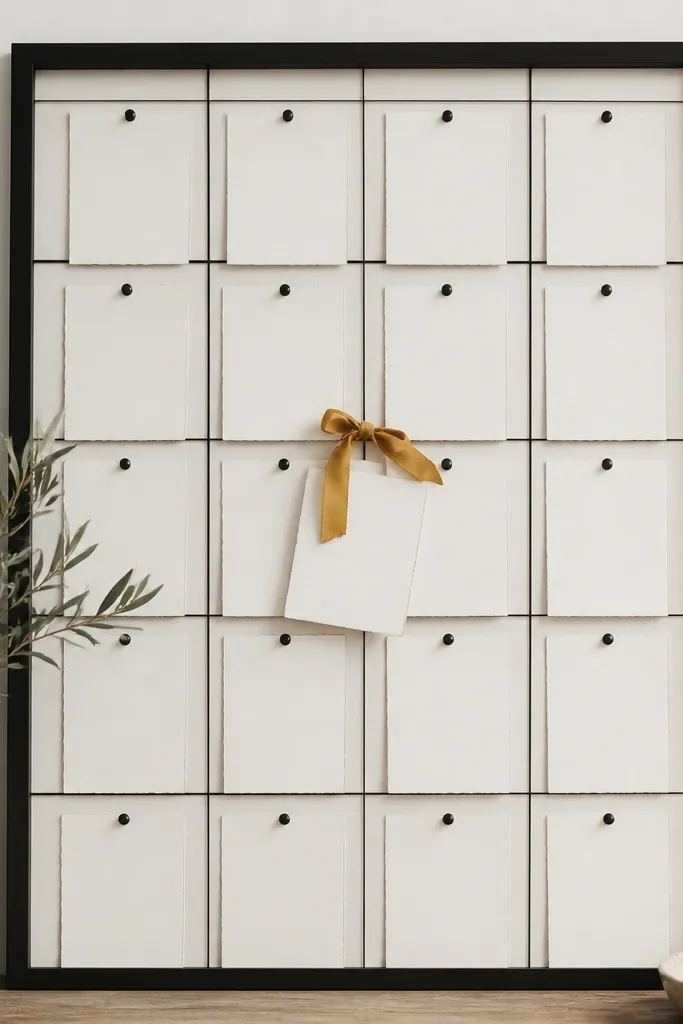
This style looks calm and intentional because it limits visual noise. When everything is black and white, one accent color tells your brain where to start. I use it when I feel overwhelmed because the board doesn’t fight for attention. The highlighted card stays the focus for the day.
Use a black foam board or black-painted panel, then add white cards with consistent spacing. Add one mustard or teal ribbon strip to hold the highlighted “Today” card. Use thin binder clips or small magnets that match the monochrome palette.
Pick one accent color and repeat it in only one place per section.
Avoid adding extra stickers or decorative shapes — the board turns into a collage fast.
23. Family Prayer Board with Name Tags and Swap Slots
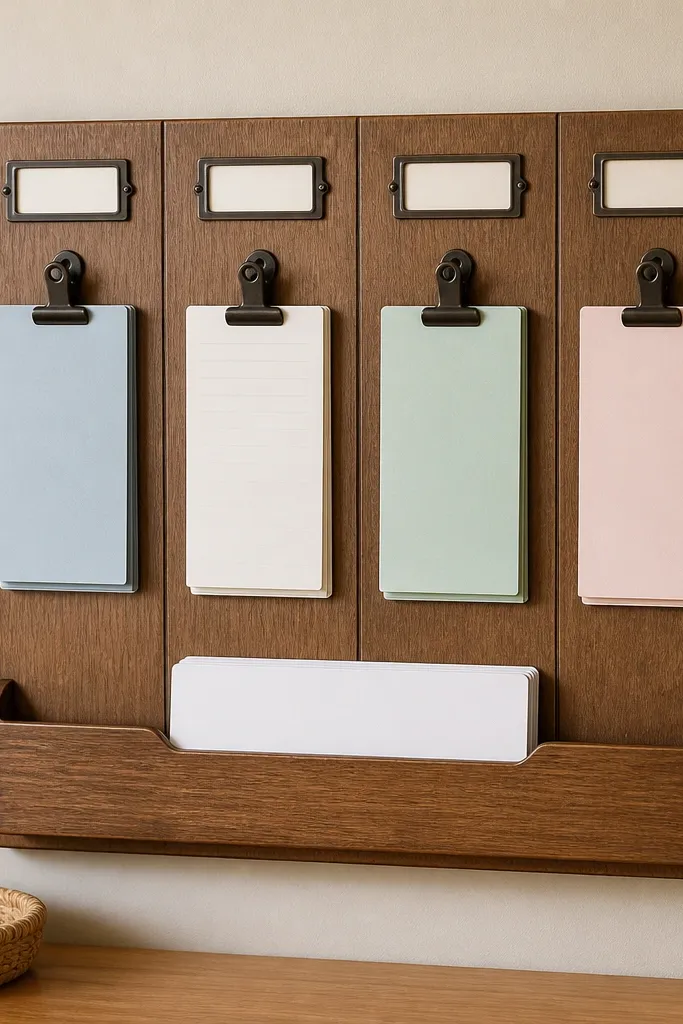
Name-tag columns keep prayers personal instead of everything blending together. It also makes family prayer feel fair because everyone can add a card in their own slot. I like the shared bottom section for group prayers so you don’t lose the “together” focus. The swap slots make it easy to remove last week’s cards without tearing tape.
Use a cork board or pegboard and create four columns with thin wood strips or marker lines. Add name tags at the top using cardstock cut to 2x3 inches. Use mini clothespins or binder clips to hold cards in each column, plus one shared zone at the bottom.
Set a 10-minute weekly update time and have each person add one card for their column.
Avoid one giant pile of cards — it makes it hard to find who to pray for.
24. Seasonal Prayer Board with Monthly Envelopes
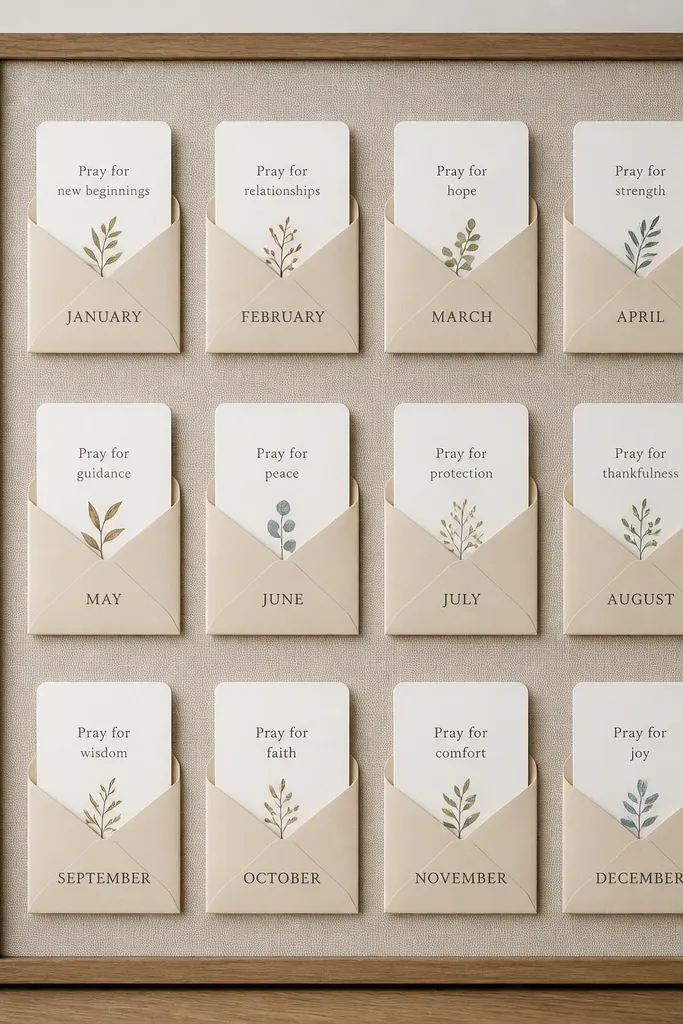
Envelopes keep prayers organized by time, which stops the board from becoming a mess of old notes. I use monthly themes like Hope, Healing, and Gratitude so you can see patterns in what you needed. The envelope front gives you a clean surface for labels, and the card inside keeps details protected. It looks neat even when you add cards over months.
Use a cork board, then attach 12 small paper envelopes (about 3x4 inches) using glue dots or staples at the back. Label each envelope with a month. Slide a 3x4 card into each envelope for the theme and update it at the start of the month.
Write the current month’s theme in a bold color so it pops when you walk in.
Avoid envelopes that are too small — the cards bend and look sloppy.
25. Prayer Board with Ribbon Wall Clips and Clear Pocket Strip
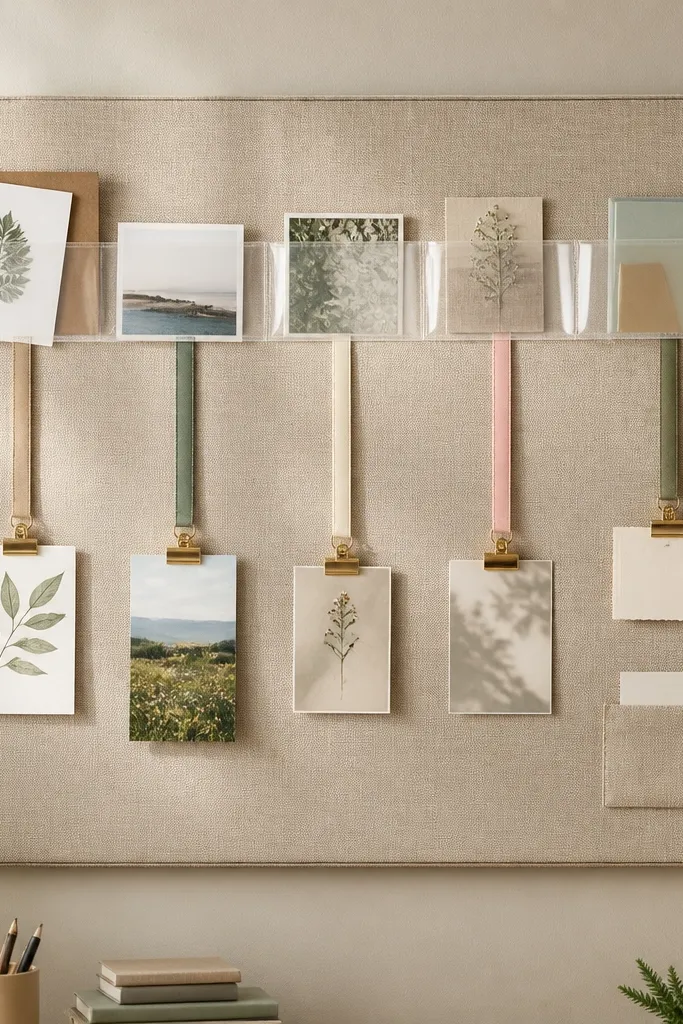
Cover a board with felt or linen, then attach a clear pocket strip made from a clear folder cut into strips. Add two to three ribbon cords hanging vertically, each with 3-4 wall clips. Keep clip cards around 3x5 inches and use one consistent border color.
The clear pocket strip holds printed guidance so you always know what to pray for this week. Ribbon cords with clips let you swap individual requests quickly. I like this when I want the board to be both structured and flexible. The mix of pocket guidance and clip requests keeps it readable without crowding.
Skip thisAvoid mixing clip sizes — the board looks uneven fast.
Editor's notePrint one weekly page and slide it into the pocket strip at the start of the week.