1. Floating Desk With Hidden Power Strip Channel
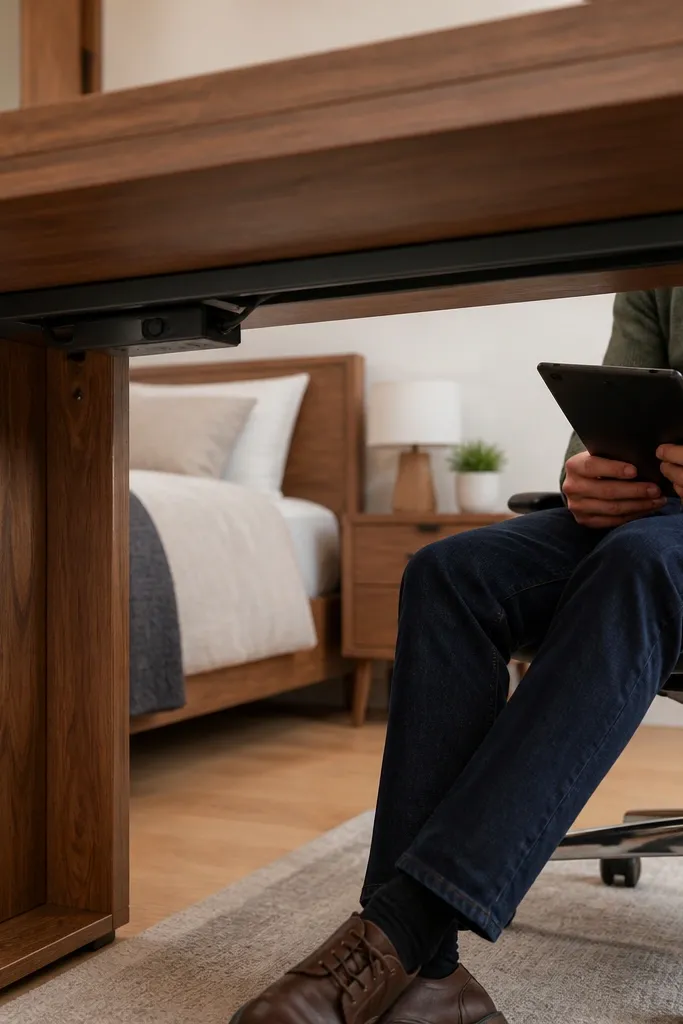
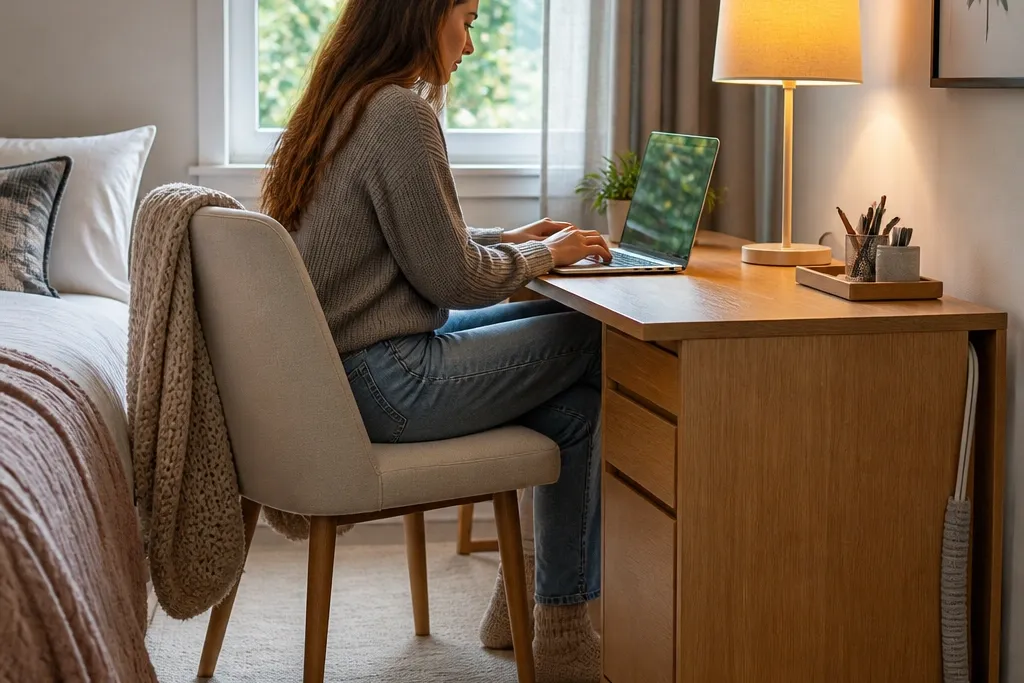
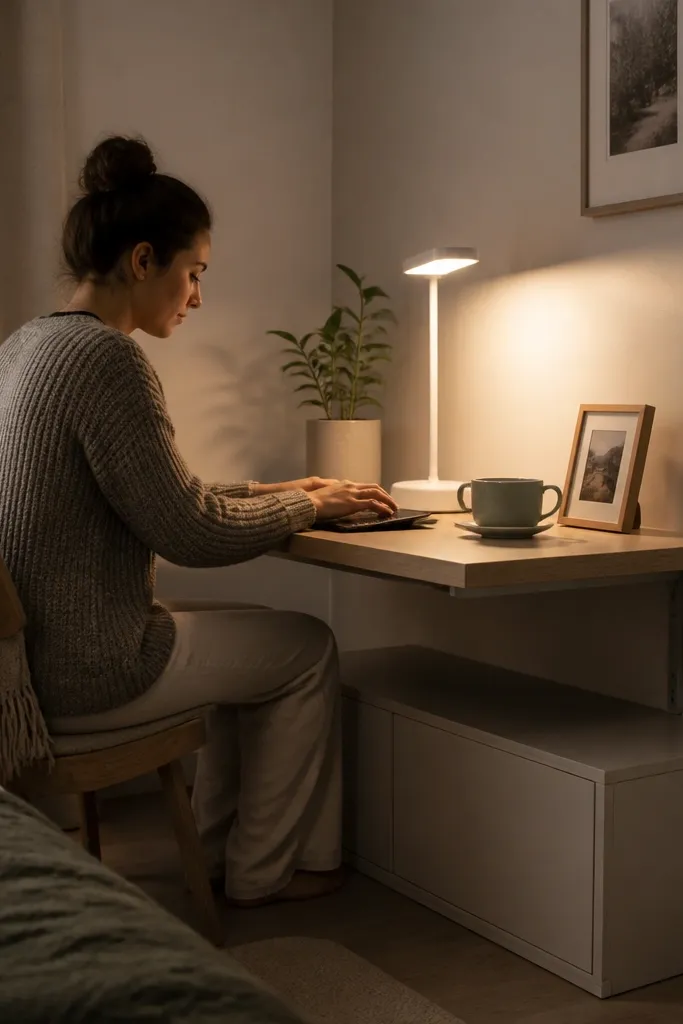
A floating desk makes a small bedroom feel bigger because you don’t lose floor space to legs. This version looks cozy because the top is a warm wood tone and the underside has a clean, straight line that hides the mess. The power strip channel keeps chargers from hanging off the side, which is the difference between “cute” and “chaotic” in photos. Add a small tray and a textured desk mat so the surface looks styled, not temporary. This works best in corners where a full desk blocks movement.
Editor's noteUse a cable sleeve (fabric or rubber) inside the channel so cords don’t squeak when you bump the desk.
Start by cutting a tabletop from 3/4-inch plywood or solid wood, aiming for 36-48 inches wide and about 16-20 inches deep. Install two heavy-duty wall brackets (stud-mounted) spaced to support the load, then add a narrow routed channel on the back edge for a power strip. Mount a warm task lamp with a cord that feeds through the channel and exits behind the desk. Finish with two coats of matte clear sealer so the wood stays soft-looking instead of glossy.
Skip thisDon’t mount brackets only to drywall anchors — the desk will feel wobbly the first time you lean on it.
2. Fold-Down Wall Desk With Shelf Above
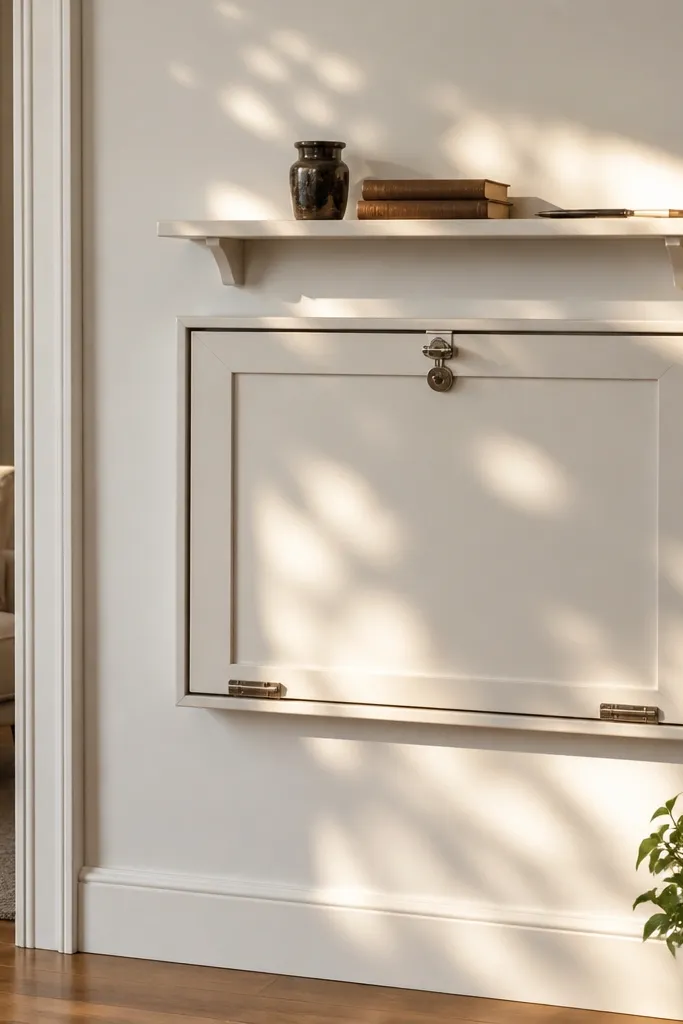
A fold-down wall desk is the cleanest way to get cozy Study Table Ideas in a room that has to do everything else. When it’s closed, it looks like wall decor, not furniture. The shelf above keeps your study essentials visible but controlled — pens, a small book stack, and a jar — so the area stays photogenic. For coziness, use a warm wood top and add a soft lamp shade in cream or light fabric. This suits tiny bedrooms, studio apartments, and kids' rooms where you need the floor clear.
Editor's noteMount the shelf so it overhangs slightly — it frames the desk area and makes the whole corner look intentional.
Choose a wall section with a stud line, then mark the working height so the desktop lands around 29 inches when folded down. Build a fold-down top from 3/4-inch plywood and attach it with a piano hinge or sturdy flip-down hardware rated for the weight. Add an upper shelf using two brackets, keeping it 10-14 inches above the desk surface so books don’t feel cramped. Finish the tabletop with matte stain or paint, then add a small stop block so the desk locks flat.
Skip thisDon’t place the desk too low; low fold-down tops make you hunch and kill the cozy factor fast.
3. Narrow Writing Table With Drawer Under Top
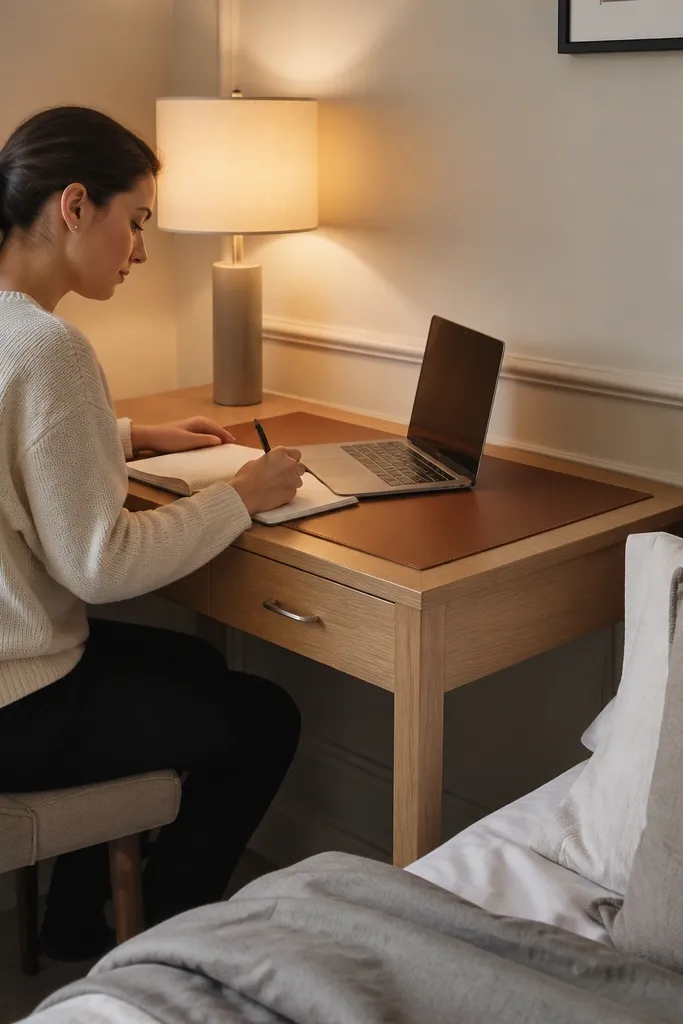
If your bedroom is tight but you still want a real desk feel, a narrow writing table is the sweet spot. This design gives you a dedicated space for writing and laptop work without swallowing the room. The drawer under the top keeps small items out of sight, which is what makes a cozy setup look clean instead of cluttered. Style it with a slim desk lamp and a tray for sticky notes. It’s perfect for people who study at a seated chair and want simple, daily use.
Editor's noteAdd felt pads to the drawer bottom and to any contact points where the drawer meets the frame.
Build the frame with 2x2 lumber or 1x2 trim boards, keeping the overall depth around 14-16 inches. Cut a tabletop from 3/4-inch plywood at about 36-44 inches long, then attach a drawer front sized to sit centered under the top. Install drawer slides (full extension if you can) and use a plywood drawer box with a simple stop so it doesn’t rack. Sand smooth, then paint or stain the wood and seal the drawer interior so it wipes clean.
Skip thisSkip a thin tabletop — anything under 3/4-inch flexes when you write and feels cheap.
4. Bedside Lift-Top Table for Laptop Work
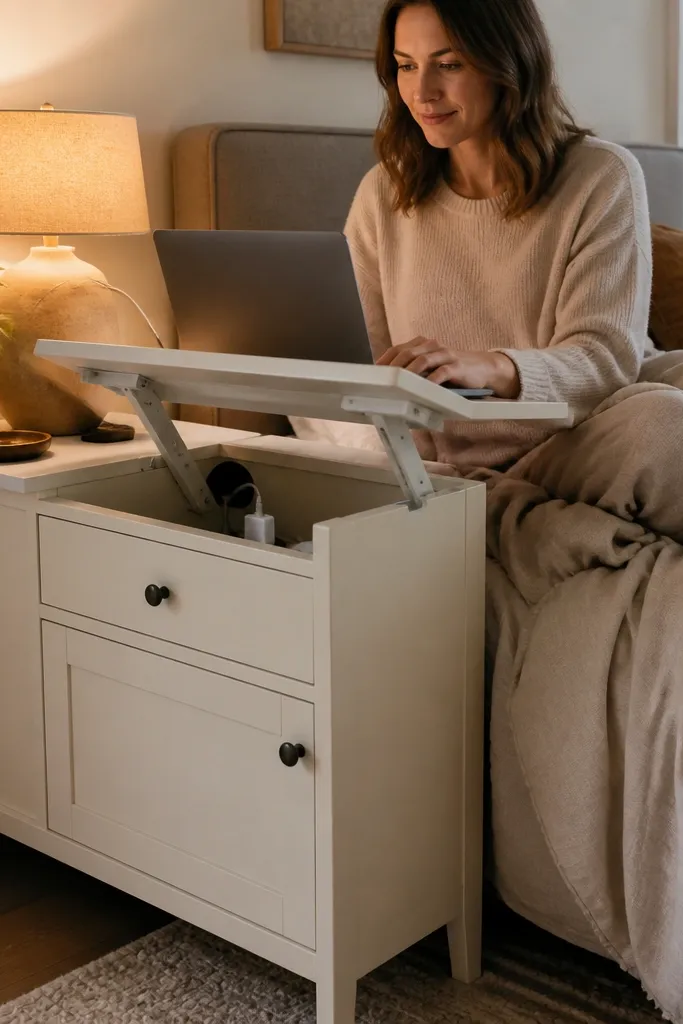
A lift-top bedside table turns your existing space into a study spot without buying a separate desk. When you open the top, it gives you a workable surface height, and when you close it, the room looks calm again. This is one of the most cozy-looking setups because the study area stays tucked away like furniture, not office equipment. Choose a table with a lift mechanism or build a simple top that swings up and rests securely. It’s ideal for small rooms where the bed already takes most of the wall space.
Editor's noteAdd a small silicone bumper where the top meets the base so it closes quietly.
Use a sturdy base cabinet (or build one) with a top panel that lifts; keep the working surface height around 28-30 inches when open. Add a lift hinge system or gas strut so the top rises smoothly and holds position. Install a small inner compartment for chargers and notebooks so you can close the unit and hide everything. Finish the exterior with a warm paint color or stain and add a fabric-lined interior for a softer feel.
Skip thisDon’t rely on friction-only hinges; the top should stay put or you’ll hate using it.
5. Corner Desk Bench With Built-In Book Ledge
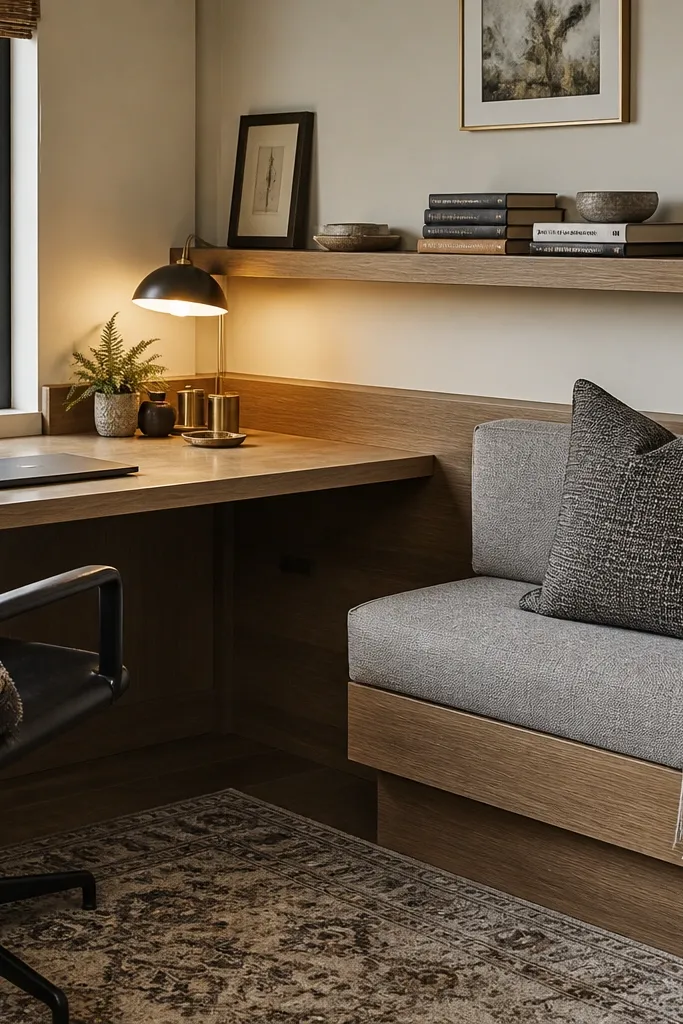
This idea makes the corner feel like a reading nook, not an awkward leftover space. The bench gives you comfortable seating space, while the desk surface sits where your body already wants to be — near the wall. A built-in book ledge stops books from spilling onto the floor and keeps the cozy vibe consistent. Use a warm wall sconce or a small clamp lamp so the light lands on the writing area. It’s great for people who study with printed pages and want a stable, supportive setup.
Editor's noteUse a removable cushion top on the bench so you can wash it and keep the corner looking fresh.
Measure your corner width and plan a desk top around 36-50 inches wide with a depth of 18-22 inches. Build a bench base with plywood and 2x4 framing, then add a fixed tabletop on top — keep it at about 29 inches height. Create an integrated ledge by adding a shallow shelf along the wall side, 6-8 inches deep, anchored into studs. Sand and finish the whole unit, then install a plug-in sconce or route a cord neatly behind the wall area.
Skip thisDon’t make the ledge too deep; deep ledges collect junk and kill the clean look.
6. Pegboard Desk Wall With Fabric Bins

Pegboard looks DIY, but it can look cozy when you soften it with warm wood and fabric. The desk surface can be small and narrow, while the pegboard stores everything visibly organized. Fabric bins hide the messy stuff — cables, tape, extra paper — and that’s what makes it feel inviting. Add a warm task lamp and a small calendar or cork strip for a lived-in look. This setup is perfect if you need quick access to supplies and want your study zone to look styled every day.
Editor's notePaint the pegboard a warm off-white (not stark white) so it reads cozy instead of industrial.
Mount a pegboard sheet to studs, then attach a small tabletop (around 24-32 inches wide and 14-18 inches deep) using metal brackets. Add hooks for scissors, a pencil bar, and a small tray for daily items like sticky notes and a pen cup. Put fabric bins on the lower section and label them with a simple marker or label maker. Finish with a warm-toned stain on the tabletop and a matte clear coat to keep it from looking shiny.
Skip thisAvoid clear plastic bins — they look cold and show every mess.
7. DIY Desk Hutch With Closed Cabinet Doors
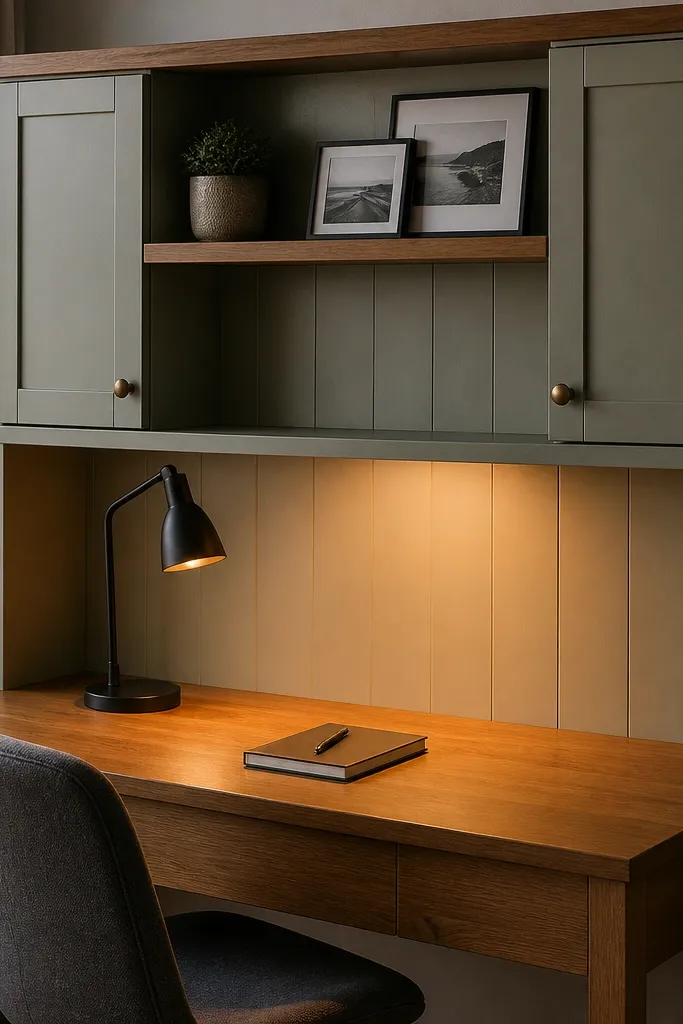
A desk hutch is what you build when you want cozy Study Table Ideas that stay tidy even when you’re busy. Closed cabinet doors block visual clutter, so the whole area looks calm. The top shelf can hold a few framed photos or a small plant, but the doors keep everything else hidden. This is an excellent choice for small bedrooms where you still need a lot of storage — textbooks, binders, and craft supplies. It looks intentional because the desk and storage are one unit.
Build a desk base first at 28-30 inches height with a tabletop depth of 18-22 inches. Frame a back panel and side panels, then install upper cabinets with hinges and soft-close if you can. Leave space for a cord route so the lamp and charging station don’t hang in front. Use plywood and simple trim to create a boxy hutch look, then paint in a warm neutral and add a matte finish.
Add a magnetic catch to cabinet doors so they close flush and don’t look misaligned.
Don’t leave open shelves full — open shelves turn cozy into clutter fast.
8. Rolling Drop-Leaf Desk on Casters
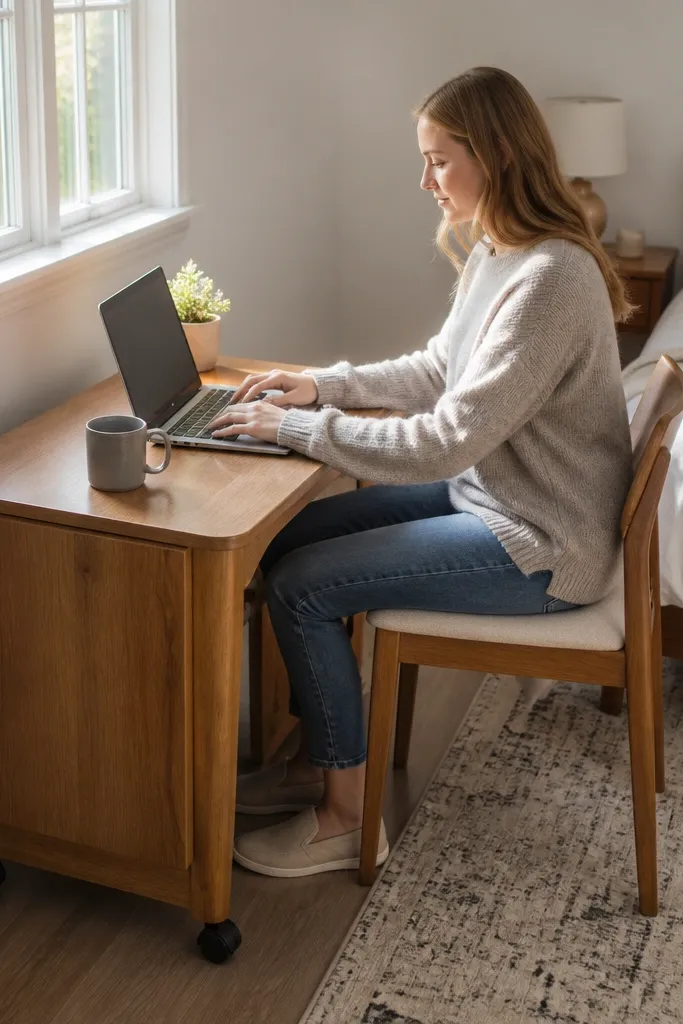
This is a practical cozy setup for bedrooms that need flexibility. When leaves are down, the desk is compact and looks like furniture; when you need workspace, you flip it open and get a wider surface. Casters make it easy to move near the window for daylight, which improves comfort and reduces the need for harsh overhead lighting. It’s also a great option for renters because you can keep the piece standalone. Style it with warm textiles — a runner or desk mat — so it doesn’t look like a temporary table.
Editor's noteUse rubber caster wheels if your floor is hardwood; they roll quietly and protect the finish.
Build a base frame from 2x2 lumber and mount four locking casters, keeping the total width around 30-36 inches. Install two drop-leaf panels hinged to the frame, sized so each leaf adds width when raised. Add a back rail to prevent the leaves from sagging and reinforce hinges with metal brackets. Sand and finish, then add a small power strip mounted under the top edge.
Skip thisDon’t skip locking casters; a rolling desk that shifts while you write looks messy and feels unsafe.
9. Built-In Window Seat Desk With Hinged Drawer
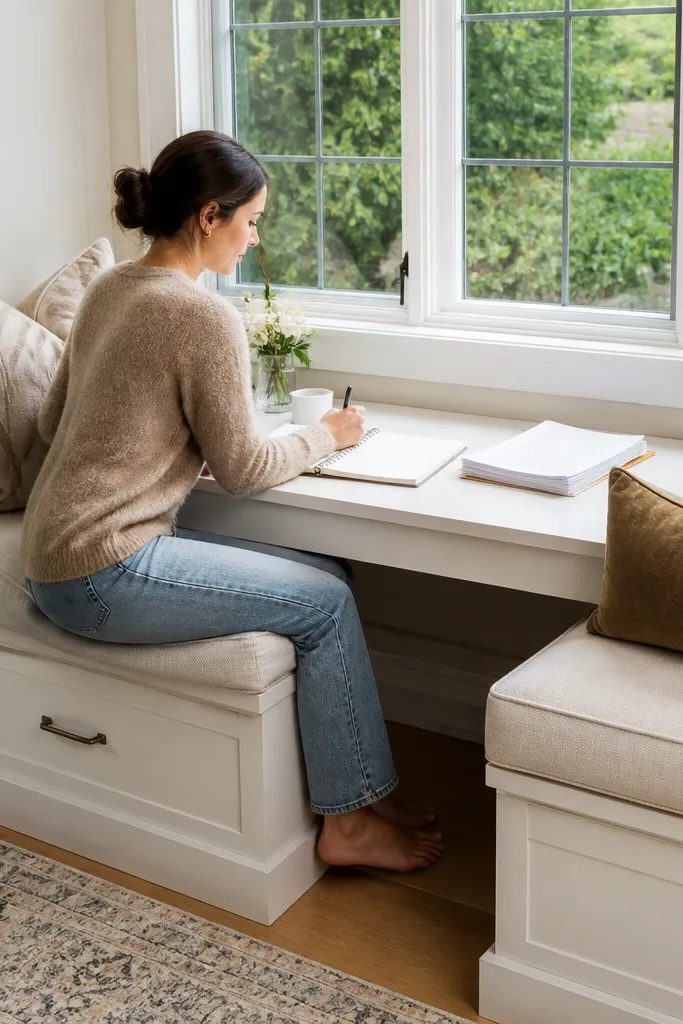
If you have a window in your bedroom, this is the coziest layout because natural light lands on your work area. A window seat desk turns the wall into a warm study corner and gives you a comfy spot for long sessions. The hinged drawer under the seat hides blankets, notebooks, or spare paper, so the room stays calm. Choose upholstery in a warm fabric like oatmeal or dusty rose for the soft look. This works best when you can anchor the seat structure to the wall studs.
Build or buy a window seat base and extend it to create a desk surface; keep the desk height close to 29 inches at the top. Install a hinged drawer panel under the seat using simple drawer hinges and a soft-close support. Add a ledge or countertop on top with a slight overhang to protect the cushion seam. Finish with a matte seal on any exposed wood and add a warm task lamp for evenings.
Line the drawer with felt so paper edges don’t catch and the drawer closes quietly.
Don’t place a glossy finish on the desk top — window glare will make studying annoying.
10. Ladder Shelving Desk With Swing-Out Top

Ladder shelving plus a swing-out top gives you vertical storage without visual heaviness. It looks airy because open shelves show only a few items at a time, and the swing-out top creates a desk when you need it. This is a strong choice for small rooms where you want the desk to feel light and not block the wall. Use warm wood shelves and a cream lamp shade for a cozy look. It’s especially good for students who keep books close but don’t want a full hutch.
Editor's noteAdd a fabric book cover or neutral book spines to keep the shelves looking soft, not messy.
Assemble a ladder shelf frame anchored to studs, with shelf spacing around 12-14 inches so books sit neatly. Attach a swing-out desk top using a heavy-duty hinge and a support leg or bracket that locks when open. Keep the open desktop around 28-30 inches high and depth around 16-18 inches. Sand, stain, and seal the wood, then add a small shelf or tray for daily stationery.
Skip thisAvoid swinging tops that only rely on a thin latch; you want a solid stop that doesn’t bounce.
11. Rolling File Cabinet Hack Into Cozy Desk
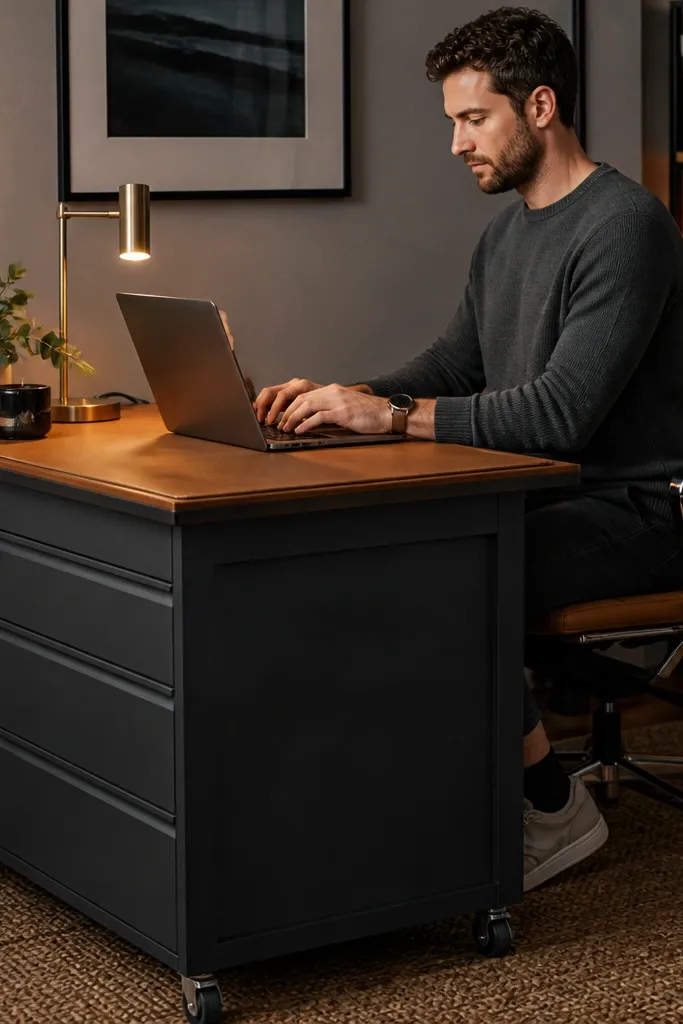
A rolling file cabinet is ugly by default, but it becomes cozy Study Table Ideas when you swap the top and style the front. The drawers are already built-in storage, which keeps your workspace clean. Add a warm wood tabletop, a soft lamp, and a desk mat so the whole thing reads like furniture. This setup is great for renters because you’re not redesigning walls. It also suits narrow bedrooms because the cabinet footprint is compact.
Pick a file cabinet size that matches your space, then cut a tabletop from 3/4-inch wood to cover the top with a 1-inch overhang on each side. Use corner braces or furniture screws through the top into the cabinet frame for stability. Add a power strip inside the top area with a cord pass-through drilled at the back. Finish with stain and matte sealer, then attach non-slip pads under the cabinet.
Drill a small grommet where cords enter so the edge doesn’t fray wires.
Don’t set the tabletop flush without support; it can wobble when you type.
12. Pegboard + Small Desk Shelf for Laptop Height
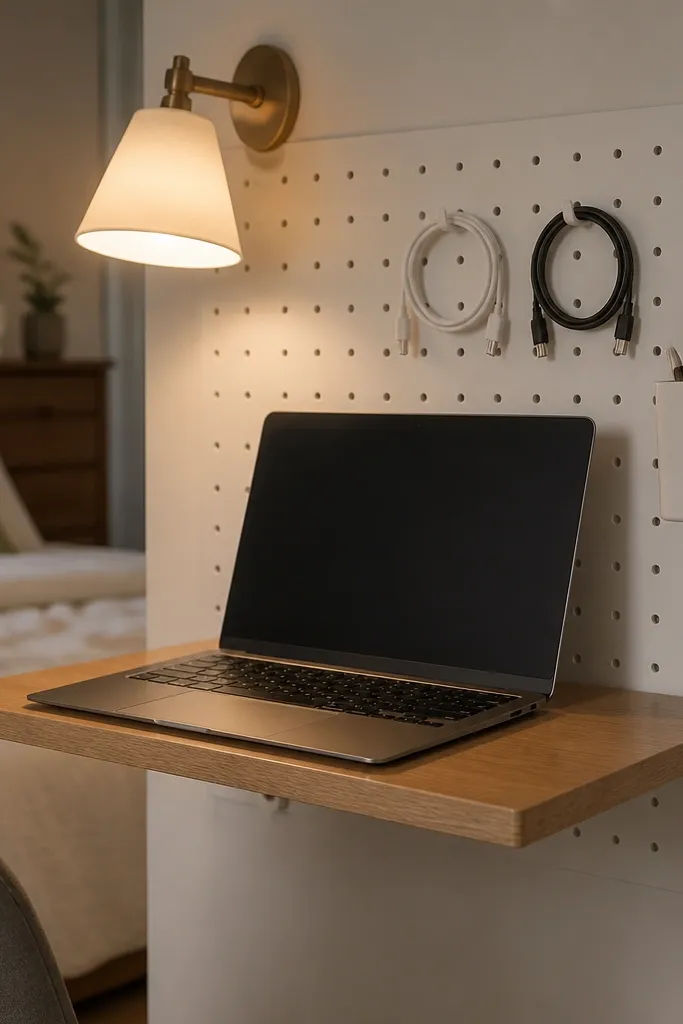
This is a minimalist cozy setup that still looks styled. A small shelf mounted at the right height keeps your laptop or notebook at comfortable posture. Pegboard behind it gives you a place for pens and charging accessories without cluttering the surface. Warm lighting makes the whole wall look inviting instead of functional. This works well in micro bedrooms where floor space is precious and you still want a real study spot.
Mount pegboard to studs, then install two L-brackets at a height that lands the shelf around 29 inches from the floor. Use a small shelf — about 24-30 inches wide and 12-16 inches deep — for a clean profile. Add hooks and a small tray for everyday items, then route a cable to a charger tucked behind the shelf. Finish the shelf with warm stain and seal so it wipes clean.
Keep only two hooks for everyday use; too many hooks makes the wall look busy.
Don’t mount the shelf too high; laptop work at shoulder height looks cozy for photos and feels bad fast.
13. Soft-Fabric Desk Skirt With Hidden Storage Cubes
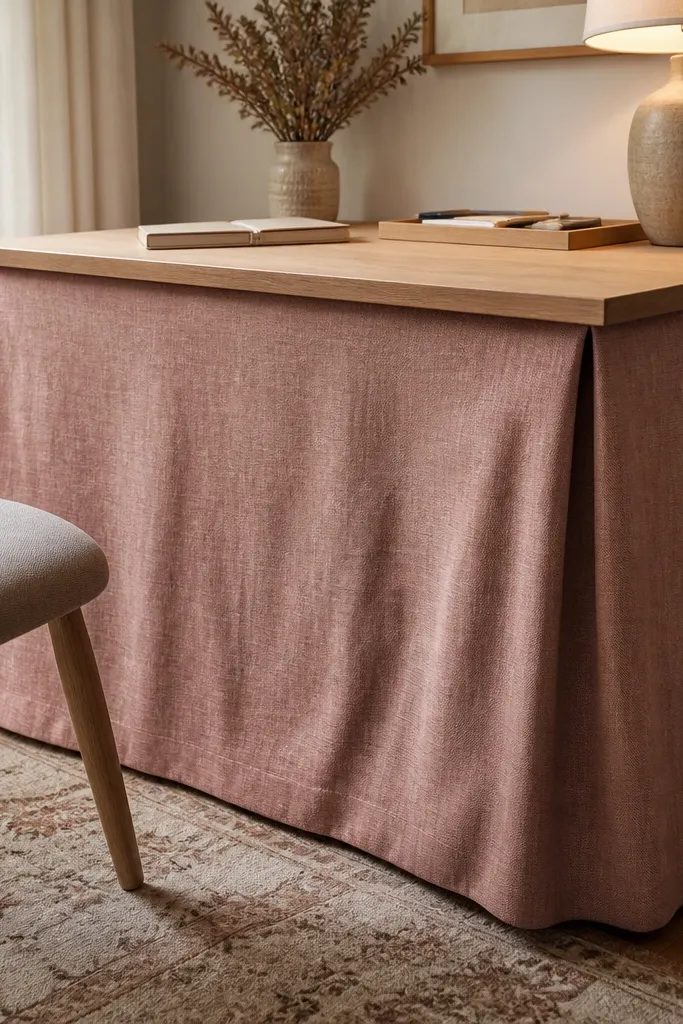
A desk skirt is an easy way to make any small desk look cozy and finished. The trick is hiding the ugly parts — storage cubes, cables, and extra chargers — behind fabric so the workspace looks calm. This idea works with a simple store-bought desk, but the look is better when the desk surface is warm wood or painted in a soft neutral. Pair it with a warm lamp and a textured runner so the whole area feels like a reading nook. This suits bedrooms where you already have a desk and just need it to look better.
Editor's noteUse washable cotton or canvas fabric; it holds shape and looks warmer than thin polyester.
Measure the space under your desk and cut fabric panels to cover the front and sides, leaving 1 inch clearance for chair movement. Sew or hem the top edge so it attaches to a simple Velcro strip on the underside of the tabletop. Place storage cubes under the desk and keep them inside the fabric cover so they don’t show. Add a cord management strip along the back edge and use a small hook on the underside for headphones or a cable.
Skip thisDon’t let fabric drag on the floor; it collects dust and looks sloppy.
14. Round Top Writing Table With Built-In Cable Tray
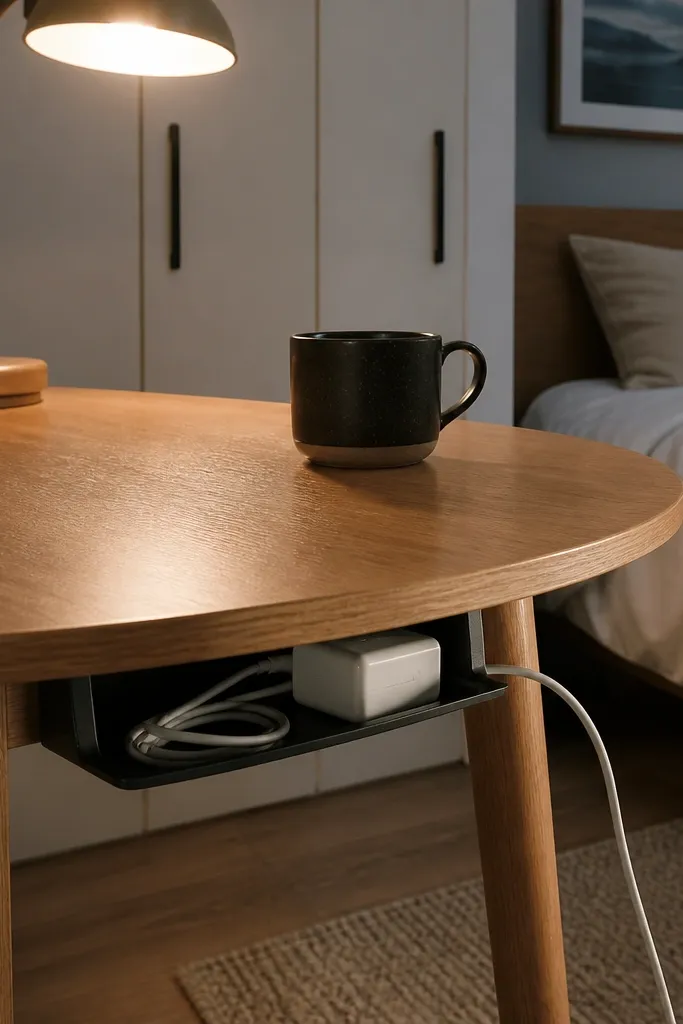
Round-topped desks feel softer in small bedrooms because corners don’t visually “trap” space. A round writing table also looks cozy because it frames a lamp and a mug without sharp edges. The built-in cable tray keeps charging cords from dangling, which keeps the clean look. This design is great for studying with notebooks and reading because the surface feels inviting and doesn’t demand a huge footprint. It works best with a compact chair and a lamp that sits close to the center.
Cut a round tabletop from 3/4-inch plywood, aiming for 28-32 inches in diameter. Build a simple pedestal base or a three-leg base with a stable footprint so it doesn’t wobble. Route a shallow rectangular recess on the back underside for a cable tray and add a small cutout for cord entry. Seal the top with matte finish and mount a warm task lamp on a clamp so it stays centered over your work area.
Use a tray cover or a thin wood strip over the cable tray so it doesn’t look like a wiring channel.
Avoid tiny diameters under 28 inches; you’ll feel cramped fast with books and a laptop.
15. Wall-Mounted Drop Shelf With Leather Strap Support
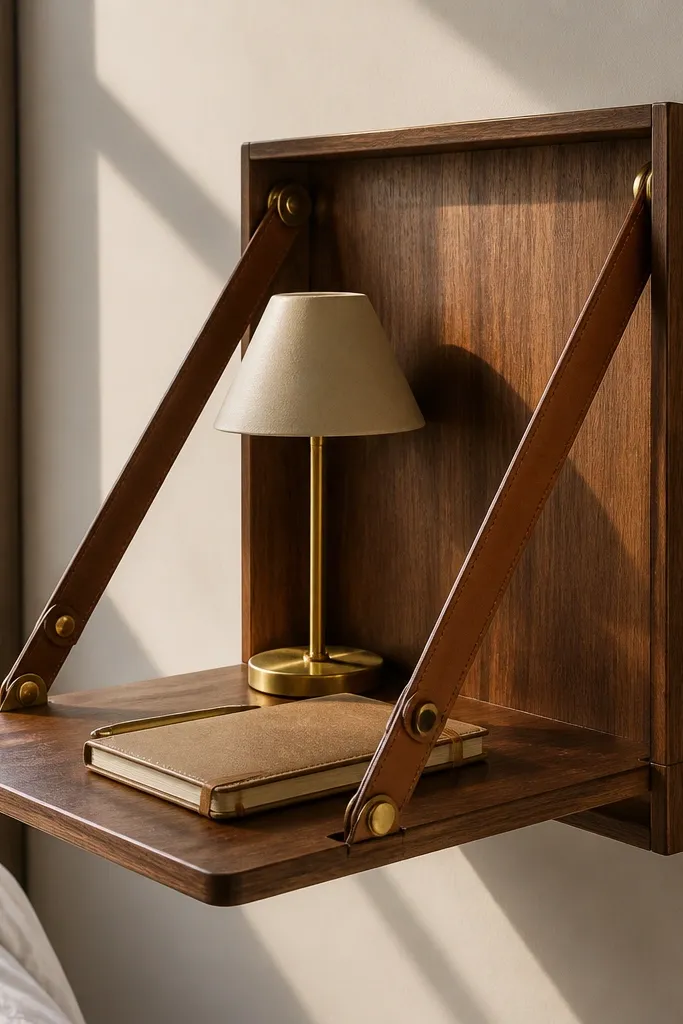
Leather strap support looks warm and intentional, which is why this setup reads cozy even when it’s compact. The drop shelf gives you a small workspace that can fold flat against the wall. When you’re studying, the straps hold the shelf steady and make the unit feel like furniture, not a temporary hack. Add a small lamp and one slim organizer so the surface stays neat. This is perfect for narrow rooms where a full desk would block circulation.
Editor's notePre-drill strap screw holes so the leather doesn’t tear and the screws sit straight.
Attach a wall ledger to studs at your desired desk height, then mount a drop shelf using a hinge or bracket system. Install leather straps (secured with screws into the ledger) to act as the support when the shelf is down. Cut a shelf from 3/4-inch plywood and round the front edge slightly so it looks softer. Finish with matte stain or paint, then add a small lip or tray to keep items from sliding off.
Skip thisDon’t skip rounding the front edge; sharp corners make small spaces feel harsher.
16. Twin-Use Desk and Vanity Table With Removable Organizer Tray
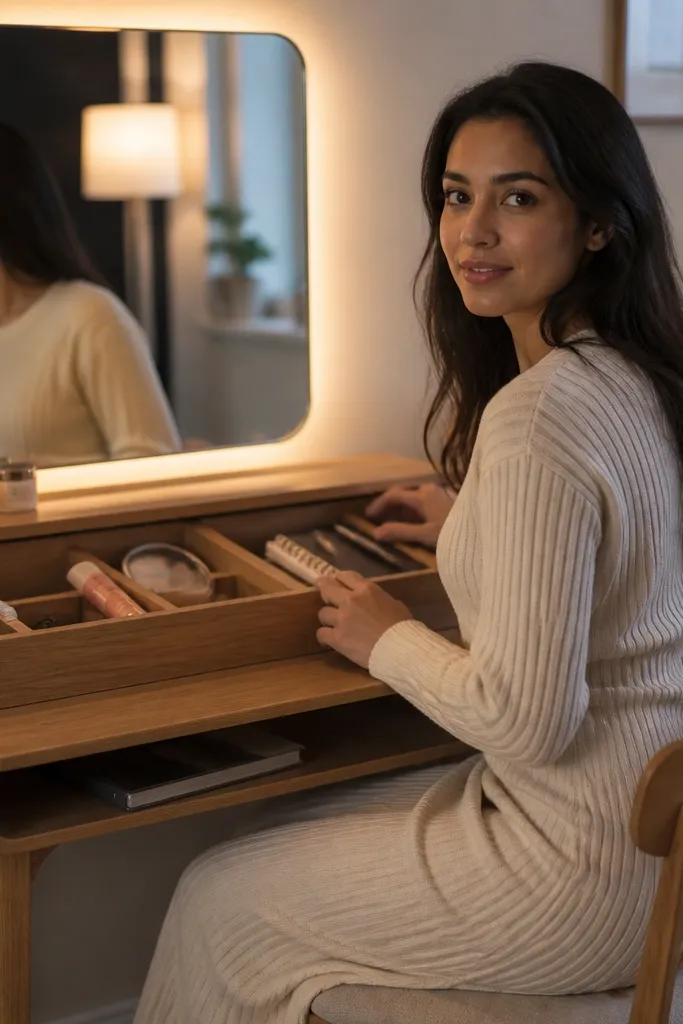
If your bedroom is shared space or you want one piece to do two jobs, this desk-vanity hybrid looks cozy because it stays styled. The removable organizer tray keeps beauty items and study items separate so you don’t mix clutter. A mirror on the wall above adds a soft glow when paired with a warm bulb, and it makes the desk feel like a personal corner. Choose a tabletop with a raised edge so the tray doesn’t slide. This works best for small rooms where you want one compact unit instead of separate furniture.
Editor's noteUse a mirror with a warm LED strip or a bulb set to 2700K so the whole corner reads soft.
Build a compact desk base with a tabletop around 30-36 inches wide and 16-18 inches deep at about 29 inches height. Add a raised lip (about 1/2 inch) on the front edge to catch the organizer tray. Use a separate removable tray made from wood or metal with compartments sized for notebooks and pens. Mount a mirror above and install a warm light source that doesn’t glare directly onto your work surface.
Skip thisDon’t place the mirror too low; it creates glare and makes it harder to read.
17. Rattan-Front Cabinet Desk With Interior Task Light
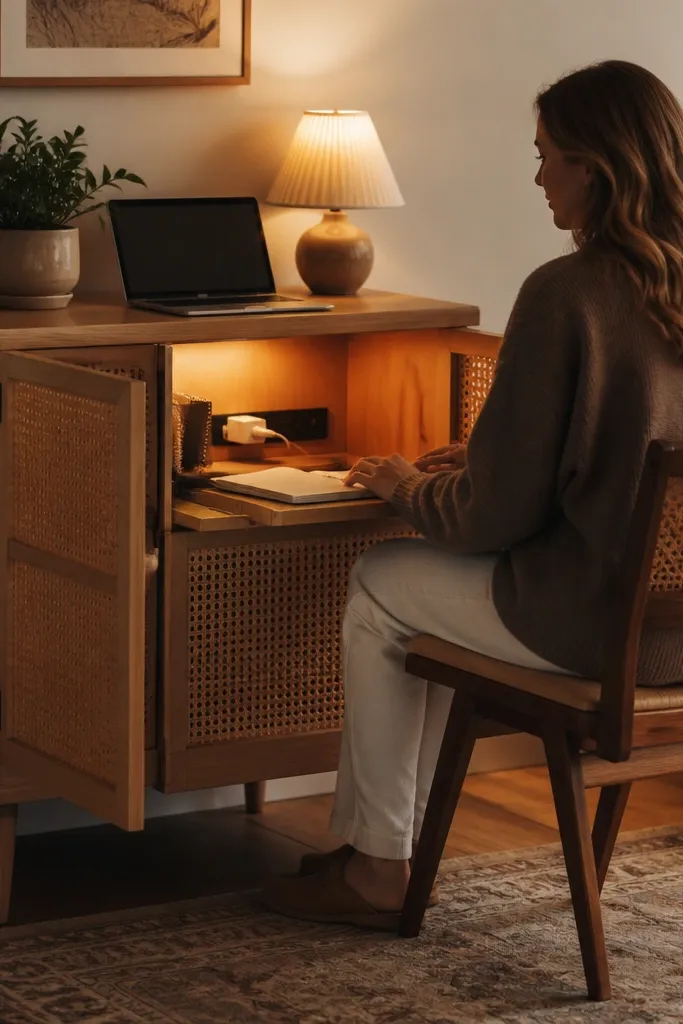
Rattan-front cabinets make storage feel airy, which is a huge win in small bedrooms. This looks cozy because the texture warms up the room, and the cabinet doors keep clutter out of view. Add a small interior task light so you can find chargers and notebooks without turning on overhead lights. The top becomes your study surface, while the cabinet handles storage. It’s great for people who keep supplies in drawers but hate how messy they look when open.
Build a cabinet base with a tabletop on top, keeping the top height around 28-30 inches. Install rattan panels in the doors using a frame so the rattan stays tight and doesn’t sag. Route a small LED strip inside the cabinet with a switch or motion sensor, powered by a plug-in adapter. Finish the cabinet exterior with a warm paint or stain, then add a matte seal to protect from dust and fingerprints.
Use a dimmable LED driver so the interior light doesn’t overpower the room at night.
Don’t use high-gloss paint on the cabinet — rattan texture looks best with matte surfaces.
18. Simple Bookshelf Desk With Lower Drawer and Wall Anchor
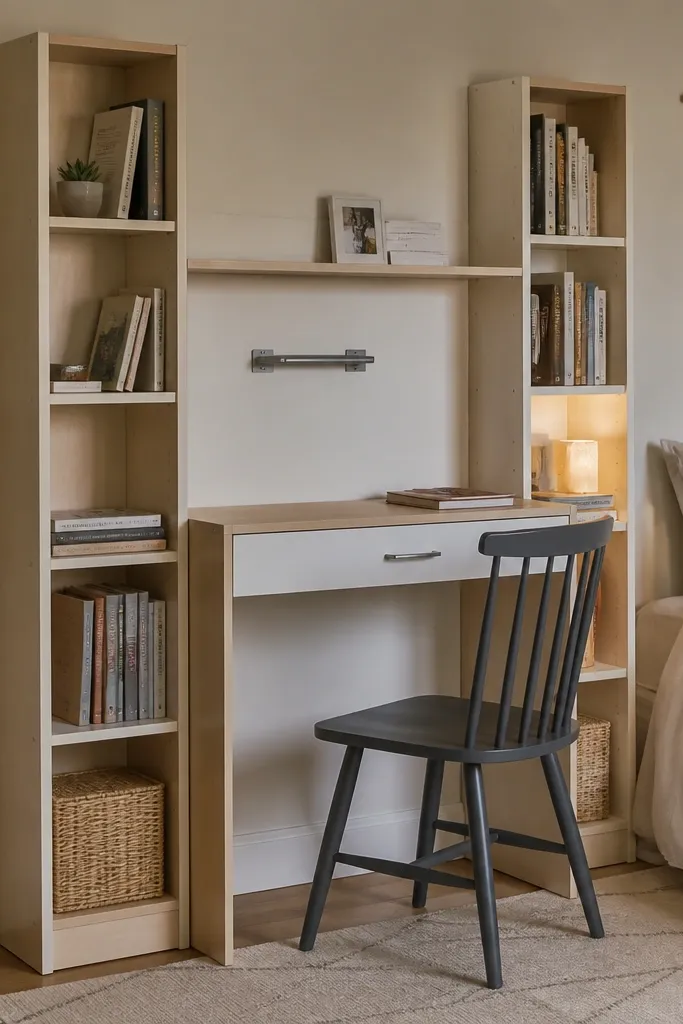
This design is cozy because it creates a built-in look without building a full hutch. Bookshelves on the sides frame the desk and give your workspace a clear boundary. A lower drawer keeps your daily stuff hidden, so the shelves can stay curated with a few books and a small decor item. The wall anchor matters — it keeps the unit stable and prevents that wobbly “DIY” feel. This suits small bedrooms where you want storage plus a dedicated study surface that looks like it belongs.
Editor's noteUse shelf liners in warm neutral tones to make the wood and books look softer.
Build or assemble a bookshelf unit and keep the desk top height at 28-30 inches. Add a lower drawer using slides, with a drawer opening that fits notebooks and notepads. Mount the whole unit to studs with anti-tip hardware so it feels solid when you lean on the desk. Install a task lamp on a stable base and route cords through the back panel or behind the shelf line.
Skip thisSkip the anti-tip mount; a tall bookshelf desk that wiggles ruins the cozy, furniture-like feel.
19. Shiplap-Style Panel Backboard With Floating Shelf Desk

A backboard changes everything. Even a small floating shelf desk looks more cozy when it has a textured wall behind it, because the area stops looking like a random shelf. A shiplap-style panel also makes the lamp glow look warmer against the grooves. The desk itself stays compact, and the wall treatment adds the “designed” feel. This is a strong option for renters because you can mount a panel using removable methods if you plan carefully. It’s best for bedrooms where the study corner is visible from the doorway.
Editor's notePaint the panel a warm white (not bright) so it doesn’t look sterile next to warm wood tones.
Cover the wall section behind the desk with thin paneling or peel-and-stick boards, keeping edges aligned and level. Install a floating shelf desk on top of the panel, anchored into studs where possible. Add a warm task lamp and a small wall hook for a bag or tote so the corner stays tidy. Finish the wood shelf with matte stain or paint, and seal the panel if it’s bare wood.
Skip thisDon’t mount the shelf only to the panel; anchor into studs for a solid feel.
20. Textured Cork Board Desk Wall With Mini Ledge
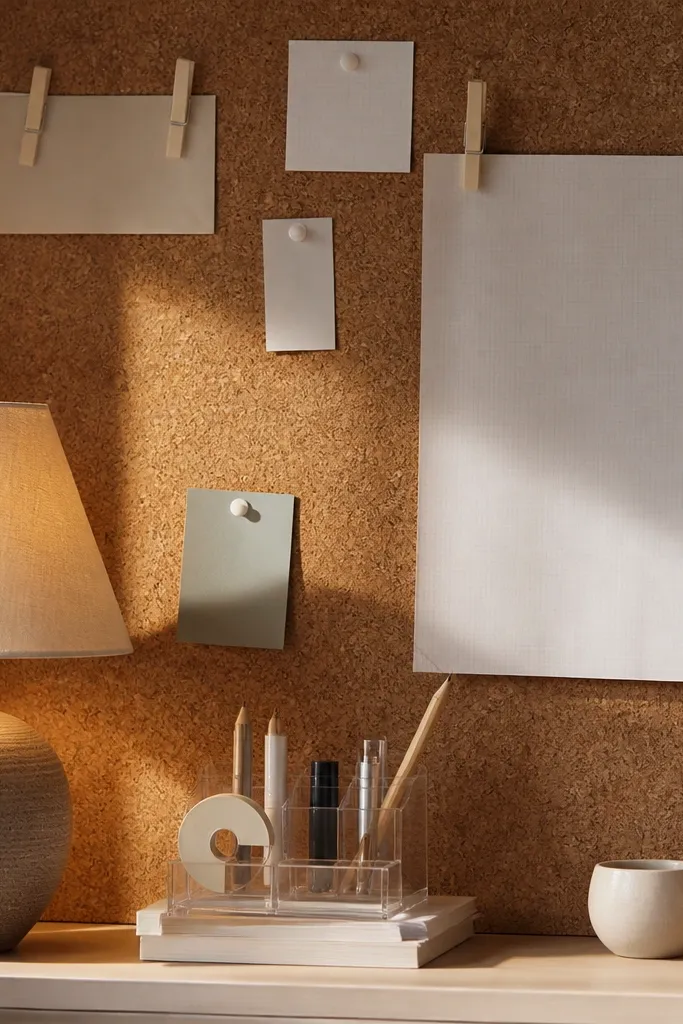
Cork board makes a study wall feel cozy because it looks soft and hides small marks. Pair it with a mini ledge desk and you get a compact workspace that still looks warm and intentional. The cork board holds reminders and pinned pages, so your desk surface stays clear. Use a warm lamp shade and keep your pinned items limited to a few pages — the cork texture does the rest. This works best for small rooms where you want a “study wall” rather than a full desk.
Mount cork board panels to the wall, ideally over drywall with adhesive rated for cork and a few perimeter nails if you need extra hold. Install a small wood ledge shelf at about 29 inches height, keeping depth around 14-16 inches. Add a cord route behind the cork or along the edge so the lamp cable doesn’t hang. Seal the ledge with matte clear so it wipes clean when you rest your hands or notebooks.
Use push pins in a muted color set (copper or dark brass) so they look cohesive against the cork.
Avoid pinning everything — a crowded cork board makes the whole setup feel messy.
21. Bedside Shelf Desk With Pull-Out Tray for Books
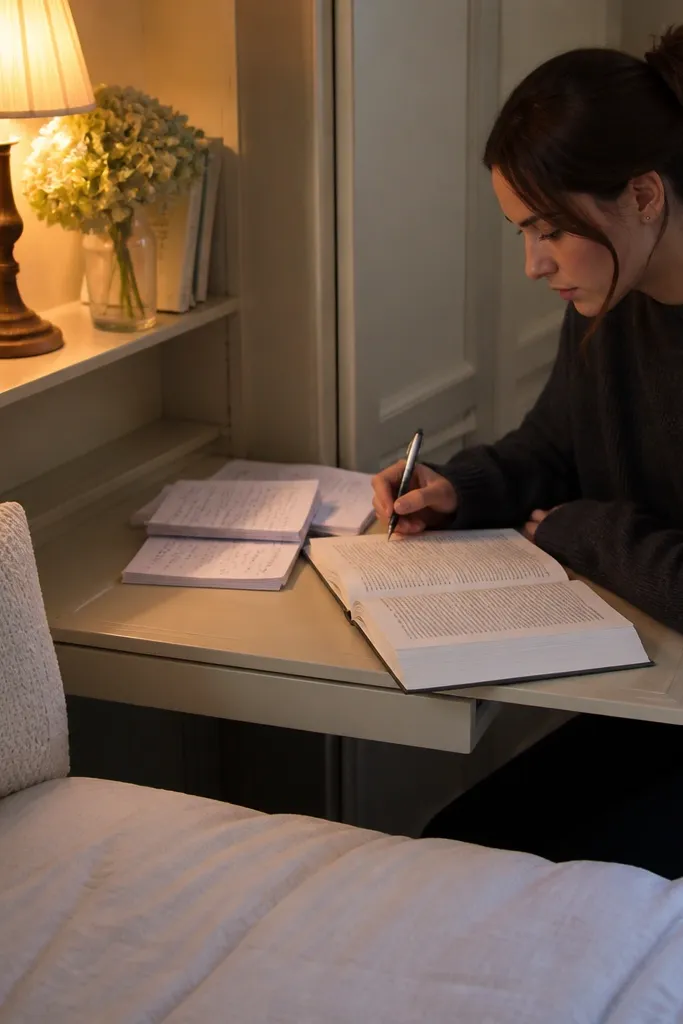
This is a smart cozy Study Table Ideas option when you don’t have a dedicated desk wall. A bedside shelf desk gives you a working surface beside the bed, and the pull-out tray keeps books and papers neatly tucked. The look is cozy because the unit blends into the bedroom furniture style, not office style. Add a warm lamp and keep the tray lined with fabric so it feels soft. This setup is ideal for people who read and study in bed or at the edge of the room.
Build a wall shelf unit next to the bed at a height that lands the top around 29 inches. Add a pull-out tray under the shelf using drawer slides or a simple roller system, sized to hold a stack of notebooks. Ensure the tray retracts fully so it doesn’t snag your leg space. Finish with matte paint or stain and add a small lip on the shelf edge so items don’t slide off.
Line the tray with a thin cotton fabric or felt so paper edges don’t catch and slide smoothly.
Don’t mount the shelf too close to the bed frame — you need clearance for your chair or legs.
22. Reclaimed Wood Slat Table With Soft Under-Shelf Lighting
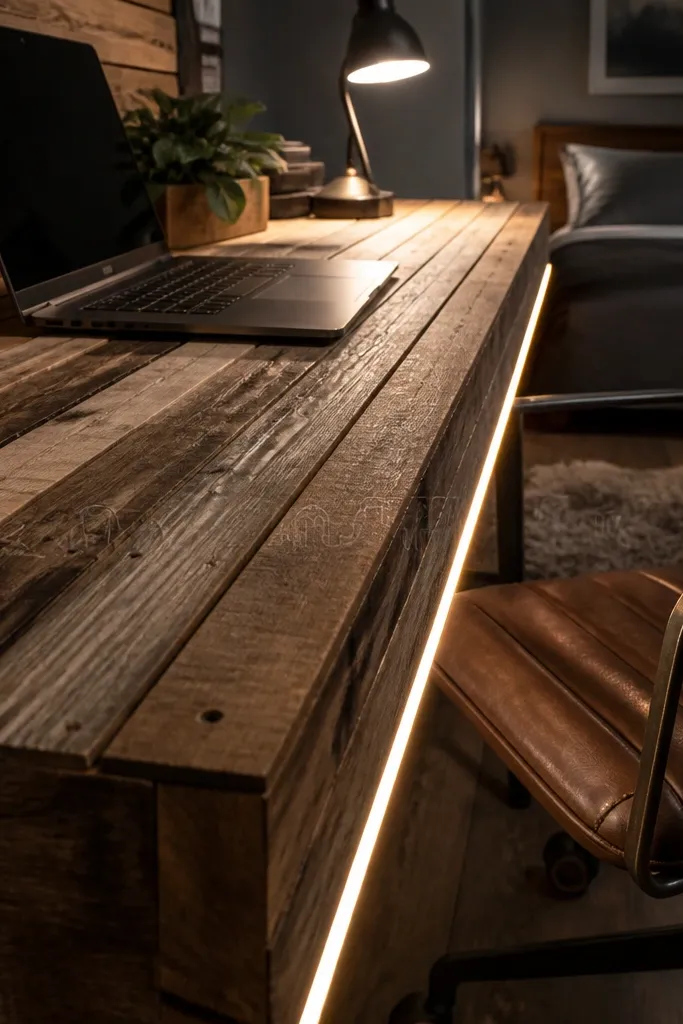
Slatted reclaimed wood looks cozy because it has texture and depth, not just color. You still get a workspace, but the under-shelf lighting makes the desk feel warm even when the room lighting is low. This is a great option if you want the study corner to look good at night, not only in daylight. Keep the slats close enough that paper doesn’t fall through, and style with a desk mat. It suits small bedrooms where you want a “calm glow” vibe rather than a stark workstation.
Editor's noteChoose LED strips labeled 2700K and use a dimmer switch so you can set the glow for late-night reading.
Build a tabletop frame and add slats with small gaps, then cover the top with a thin sheet of wood or a removable desk mat so papers stay put. Install the desk with a wall ledger or sturdy brackets anchored to studs. Add an LED strip under the shelf line, aiming light downward so it doesn’t glare in your eyes. Use matte clear sealer on the wood so it looks warm and not shiny under light.
Skip thisDon’t point LEDs directly at the desk surface; glare makes the whole corner feel harsh.
23. Painted Corner Desk With Removable Shelf Organizer
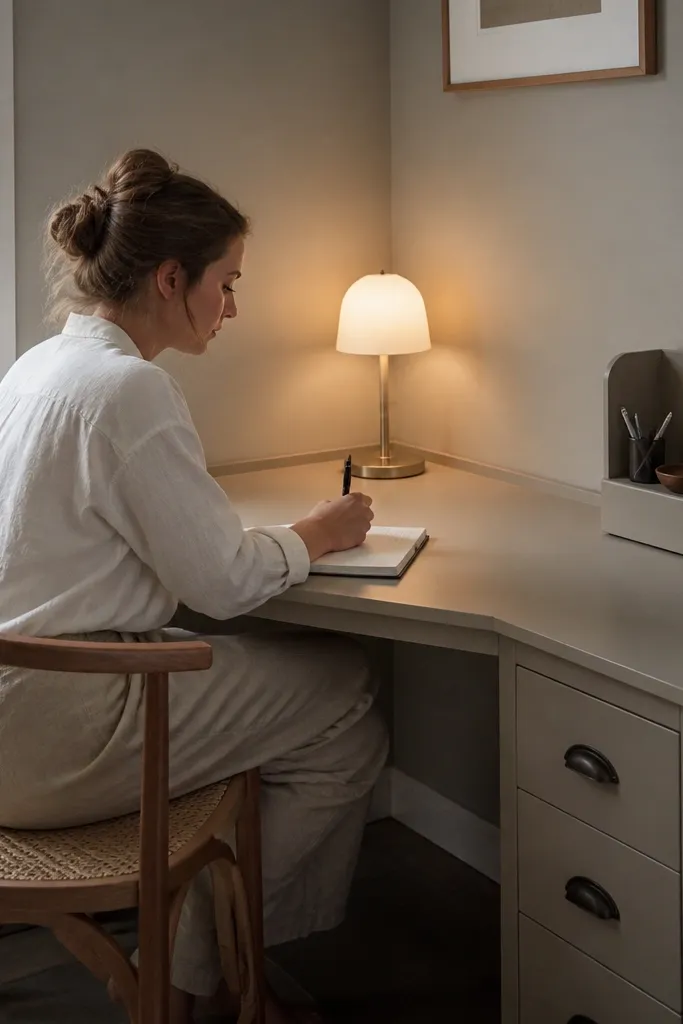
A painted corner desk looks cozy when the color matches the room’s soft neutrals. This idea gives you a dedicated desk surface that visually blends into the wall, so it doesn’t look like a separate piece of furniture. A removable shelf organizer keeps your study tools in place without permanently cluttering the top. It’s great for small rooms because the organizer can come off when you want to clean or change seasons. Use warm lighting and one or two textures — like a woven mat — to keep it inviting.
Cut the tabletop for a corner shape or use a simple L-shaped layout, keeping each side around 16-18 inches deep. Build a cabinet or frame base that sits flush with the wall, then add a small drawer or closed storage if you can. Install a wall-mounted shelf organizer above the desk with screws into studs, then design it to be removable by using brackets. Paint the desk in a warm neutral and seal with matte finish.
Use a removable organizer so you can keep the desk surface clear when you’re not studying.
Avoid high-contrast colors next to the bed; harsh contrast makes the corner feel busy.
24. Minimal Desk With Under-Top Storage Drawer Pull
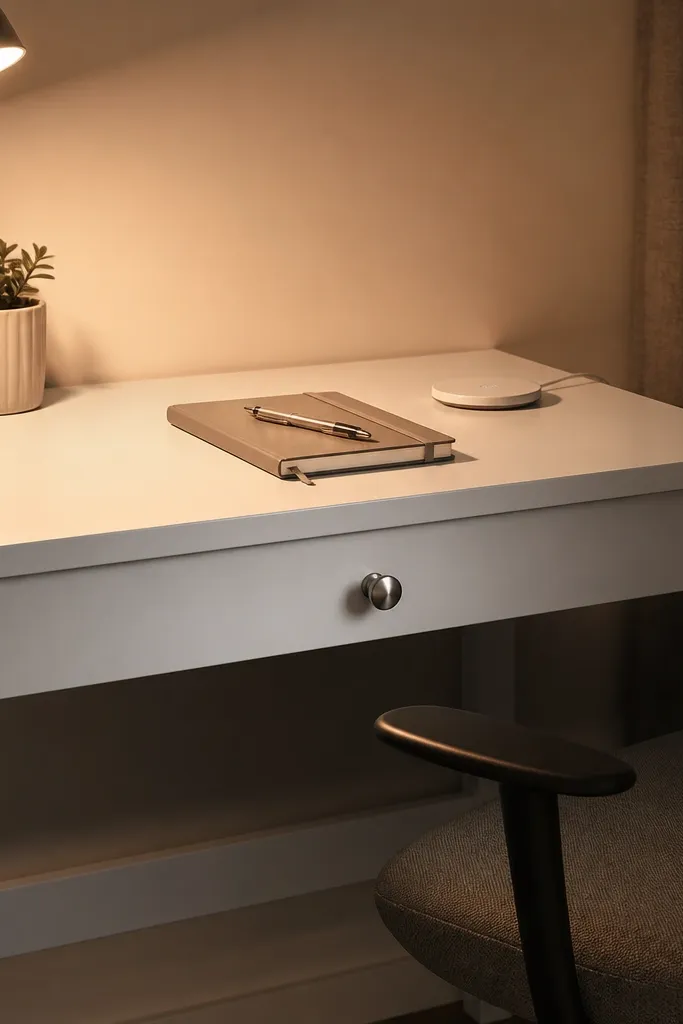
Minimal desks look cozy only when storage is hidden. This design keeps the top surface clean and gives you one easy drawer pull under the edge for notebooks, pens, and chargers. The visual payoff is big: you can take the same desk from “messy day” to “cozy night” in seconds by sliding everything into the drawer. It’s also a good choice for small rooms because it doesn’t add extra shelf clutter. This suits people who like a calm, styled look and study with a few go-to supplies.
Editor's noteInstall drawer slides with soft-close if you can; quiet drawers make the desk feel more “designed.”
Build a simple rectangular desk frame with a tabletop thickness of 3/4-inch and a height around 29 inches. Create an under-top drawer by cutting a drawer box that slides on rails, with the drawer front hidden behind a small opening under the tabletop lip. Add a small recessed pull so you can open it without grabbing the wood edge. Finish with matte paint or stain, then mount a warm task lamp to illuminate the work area.
Skip thisDon’t make the drawer too shallow; you need at least 3-4 inches of depth for real paper storage.
25. Wall-To-Wall Floating Shelf Desk With Bookends
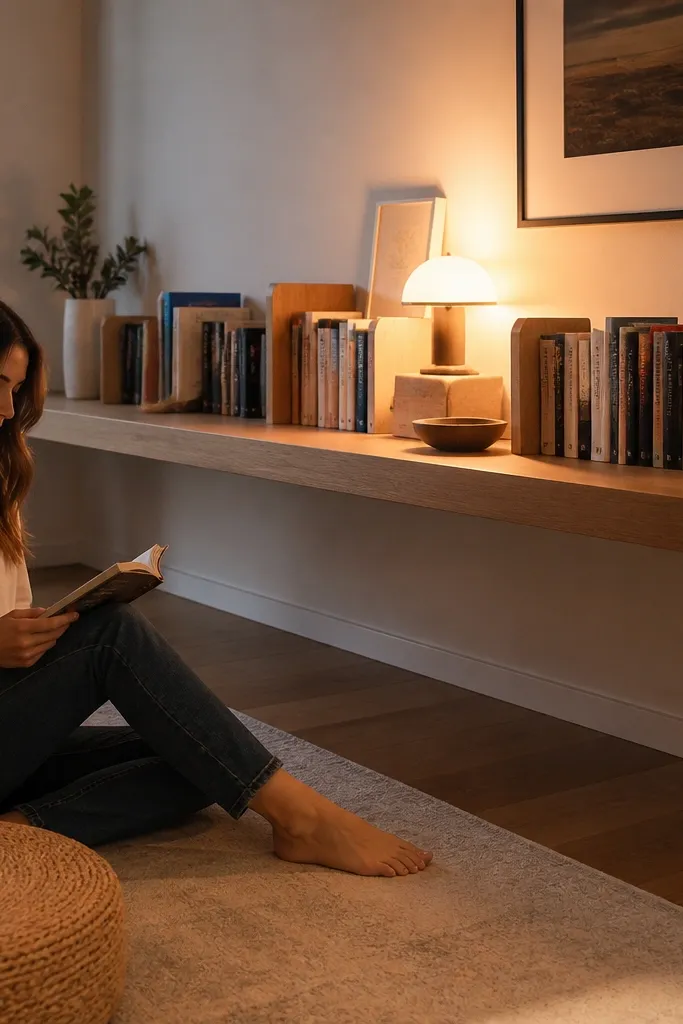
A long floating shelf desk works in small bedrooms when you treat it like a reading shelf, not a traditional desk. The bookends create order and stop books from sliding forward, which instantly makes the space look styled. This setup is cozy because the light wood and the lamp give a warm glow, while the wall-mounted structure keeps the floor clear. It’s ideal if you study with multiple books and want them within arm’s reach. Use it in rooms where you have a long wall and you want one clean line of furniture.
Measure the wall and cut a long shelf top from 3/4-inch plywood, keeping depth around 16-18 inches. Anchor two or three bracket points into studs, spacing them to support the shelf without sag. Add bookend rails on each end or along the back edge so books stay upright. Finish with matte sealer, then place a warm task lamp on a stable base and route the cord along the wall.
Add a thin foam strip under the lamp base to reduce vibration and keep it from creeping.
Don’t overload the shelf with tall items; tall stacks make the wall look crowded and reduce the cozy feel.