
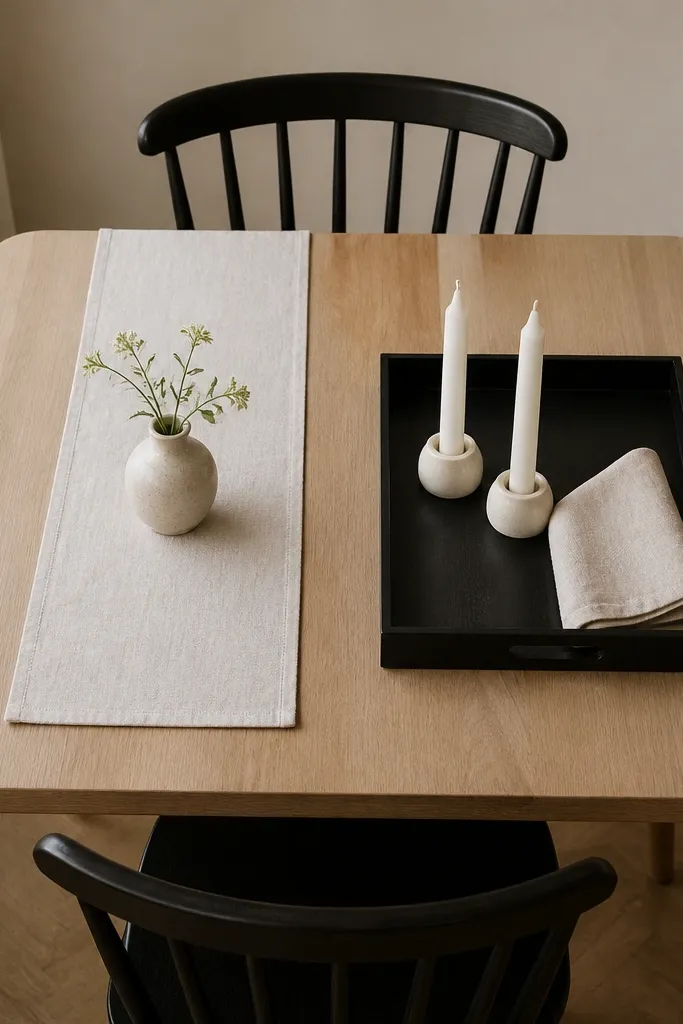
1. 14-inch linen runner with a single bud vase
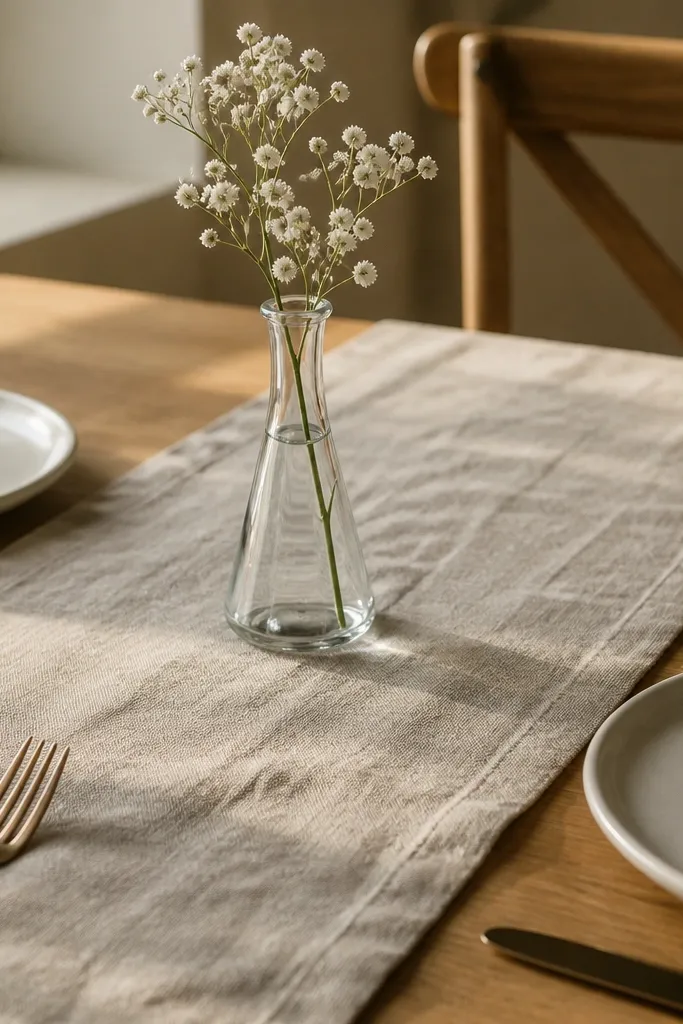
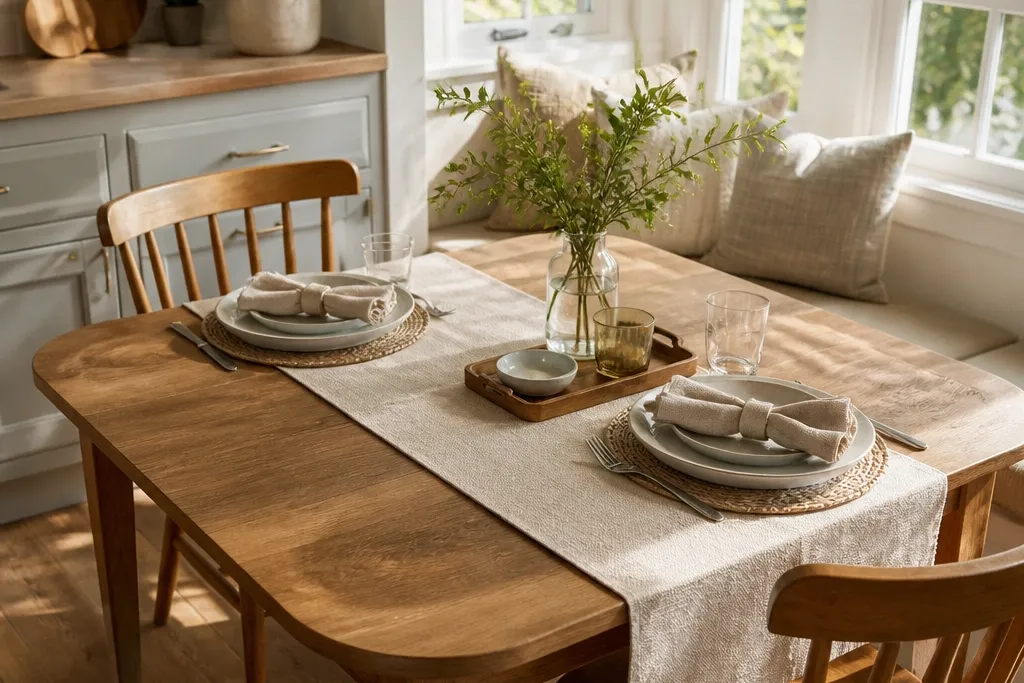
This is the cleanest beginner-friendly runner setup because the runner does the work of “framing” the table while the bud vase gives you one clear focal point. Linen also forgives small placement errors; it lays flat and hides minor wrinkles better than slippery satin. Keep the vase low and narrow so it doesn’t become a head-bump during conversation. For a small dining table, this setup looks intentional even if you switch out the stems weekly.
Editor's noteChoose a vase with a flat base so it doesn’t wobble on slightly uneven tabletops.
Start by cutting or buying a runner sized about 12 to 14 inches long and 1 to 3 inches narrower than your table width. Place it centered on the table, then set a small bud vase in the middle. Add 2 to 4 stems that reach only about 6 to 9 inches high, then tuck the stems so they don’t spread wider than the vase base.
Skip thisDon’t cluster multiple tall vessels on a runner; it makes a small table feel cramped fast.
2. Black tray with white taper candles and a linen napkin fold
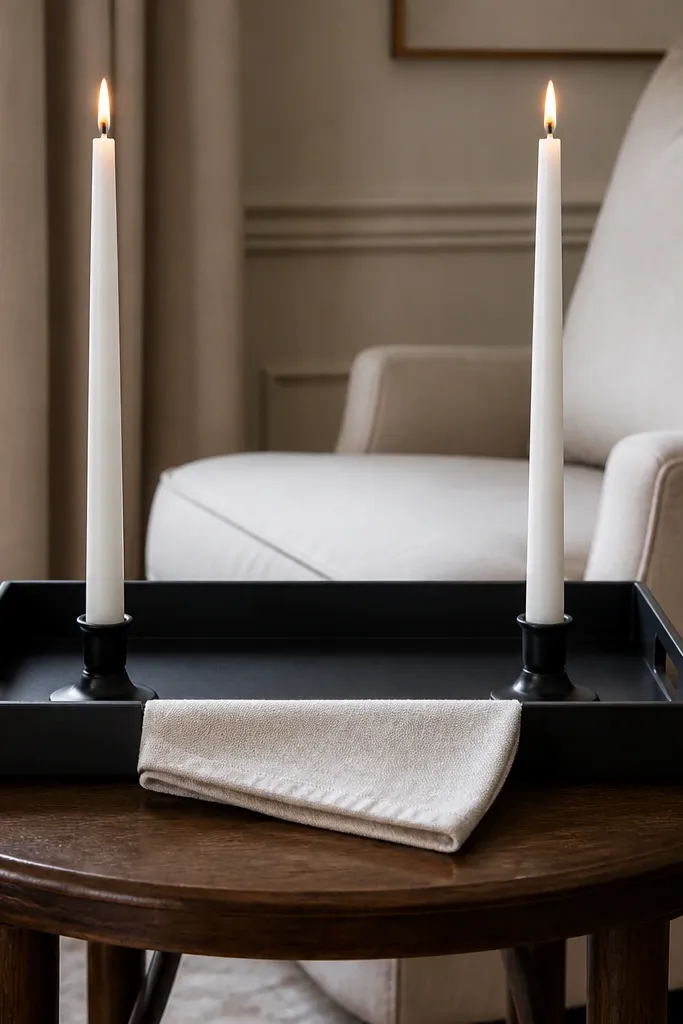
A tray is the right call here because it keeps candle height contained and makes cleanup simple when someone knocks a napkin or spills water. Black tray + white candles reads sharp and modern, but it still feels soft because linen adds texture. Use two tapers instead of three so the center stays open for plates and the table doesn’t look overdecorated. This setup is also easy to repeat for holidays by swapping candle colors.
Pick a tray around 14 x 20 inches and center it on your table. Place two taper holders or candle cups at the left and right of the tray centerline, keeping at least 3 inches between them and the tray edges. Fold a linen napkin into a flat rectangle, then stand it upright behind the candles so it supports the look without adding extra height to the middle.
Wipe the tray with a damp cloth first, then dry fully; matte finishes show dust more than you think.
Skip tall candle holders that lift the candles above 3 inches — they steal space from eating.
3. Rattan runner with one ceramic bowl of oranges
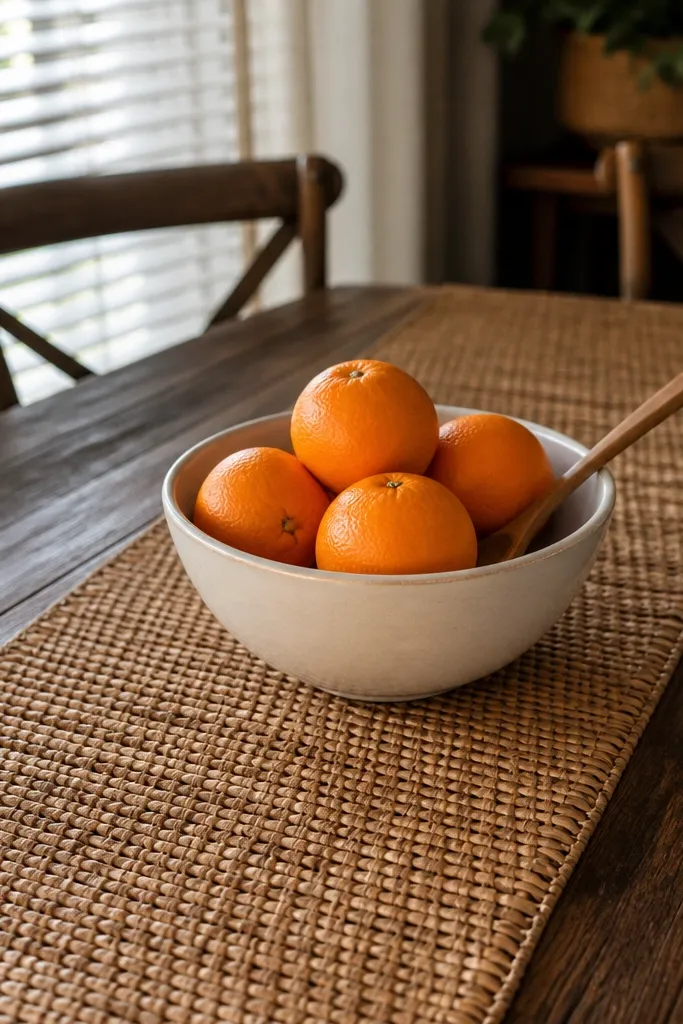
This is a runner idea that feels like decor but works like a functional fruit moment. Rattan and woven textures give depth without needing height, so it stays beginner-friendly on small tables. A single ceramic bowl keeps the look tidy; you’re not scattering fruit everywhere. It also smells good when you use citrus, and the colors add warmth without extra props.
Use a low-profile runner that lays flat, sized to be 1 to 3 inches shorter than your table width. Center a ceramic bowl on the runner, then add 3 to 5 oranges or clementines so they sit below the rim height. If your bowl is wide, keep the runner shorter so it doesn’t extend under chair legs.
Choose oranges with matte skins and no bruises so they look fresh longer without needing constant replacement.
Don’t use a runner that’s too thick; thick woven pieces create uneven leveling and shift under bowls.
4. Acrylic tray with floating candles and faux eucalyptus
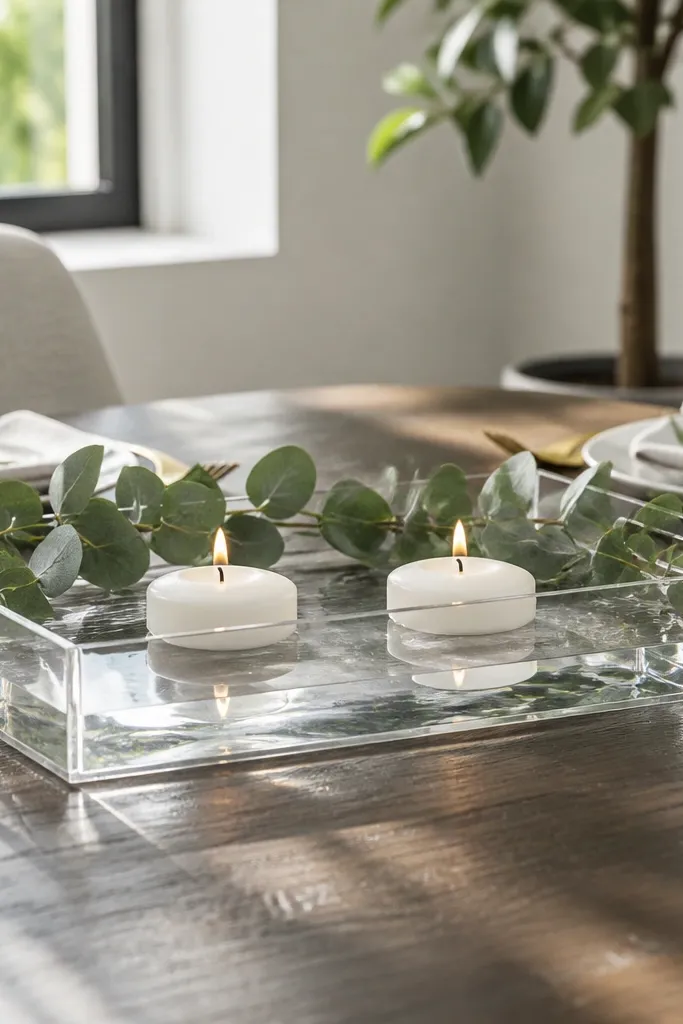
If your dining room gets bright light, a clear acrylic tray makes small decor look bigger because it doesn’t visually block the table. Floating candles in a shallow dish give you movement and a soft glow, while eucalyptus adds a clean green line. This is a great tray choice if you want a “special” look that still stays contained. The key is keeping everything low so the tray doesn’t interfere with conversation.
Start with a shallow acrylic tray roughly 14 x 20 inches. Place a small, shallow water dish in the center, then tuck faux eucalyptus stems behind it so the leaves form a backdrop. Add 1 to 2 floating candles on top of the water and keep wicks trimmed so they don’t lean into the greenery.
Rinse the water dish and dry the tray between uses; clear acrylic shows water spots immediately.
Don’t pack the tray with too much greenery; 1 “back layer” is enough.
5. Wooden tray with a mini cutting board and a cheese knife
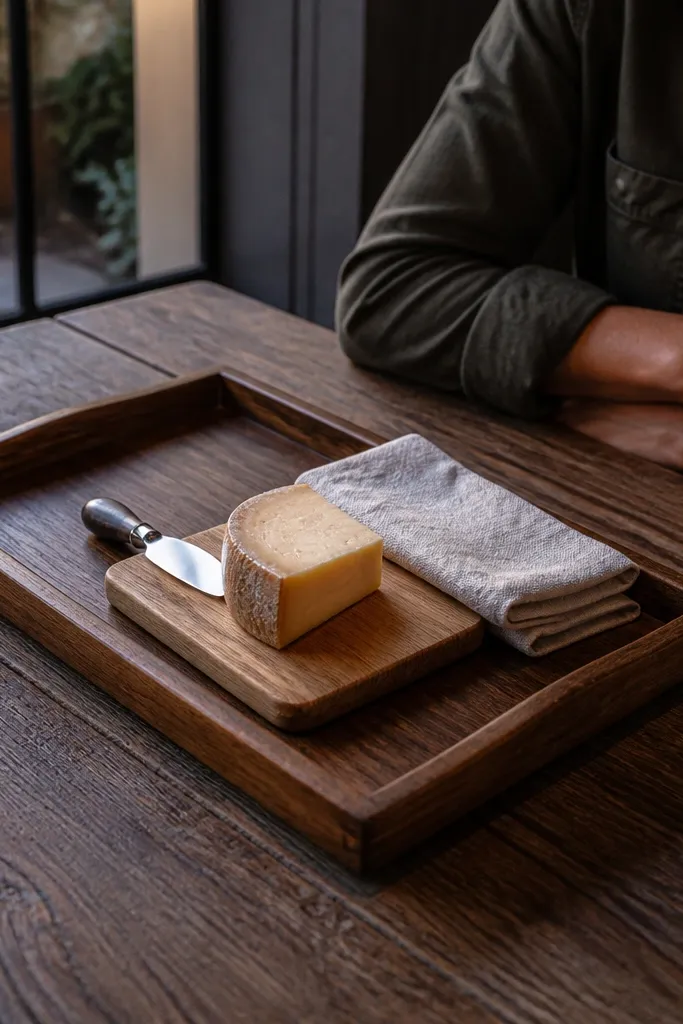
This is a tray setup that looks like you planned a meal even on a random Tuesday. A mini cutting board adds structure and gives you a place to rest a cheese knife, so the tray feels purposeful instead of decorative. Wood tones also hide minor scuffs, which matters on tables where you actually live. Keep it to one board and one tool so the tray doesn’t turn into a clutter pile.
Use a wood tray about 14 x 20 inches, then set a small cutting board in the middle. Place a cheese knife diagonally across the board so the handle stays inside the board footprint. Add a small cluster of grapes or a folded linen napkin at the tray edge so you get color without adding height.
Add felt pads under the cutting board if your tray surface is glossy so it won’t slide.
Don’t stack multiple boards; one board keeps the scale right for small tables.
6. Short runner with a candle lantern at the back edge
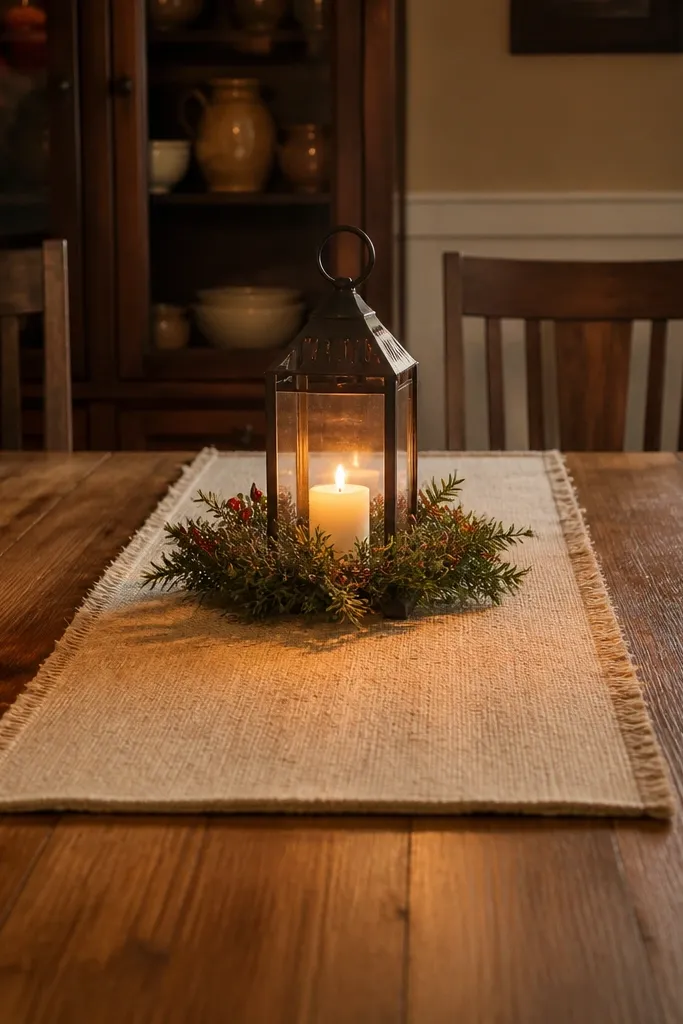
Runners work best when the tallest item sits toward the back edge so it doesn’t block sightlines. A small lantern gives you height and glow, but keeping it behind the runner’s centerline keeps the front area open for plates. This setup is beginner-friendly because lanterns look good even if the greenery inside is simple. It also pairs well with every season: switch the inside insert or add a mini ornament for winter.
Pick a runner length of 12 to 14 inches and center it across the table width. Place the lantern at the back edge of the runner, about 2 to 3 inches from the table’s rear side so it doesn’t creep into the middle. Add one small accent at the front, like a single pinecone or a short twig bundle, so the setup reads balanced.
Use LED candles inside the lantern for daily use; real flames add extra safety steps.
Avoid putting the lantern in the exact center; it makes a small table feel crowded.
7. Tray with a dough bowl-style faux shelf and one height layer
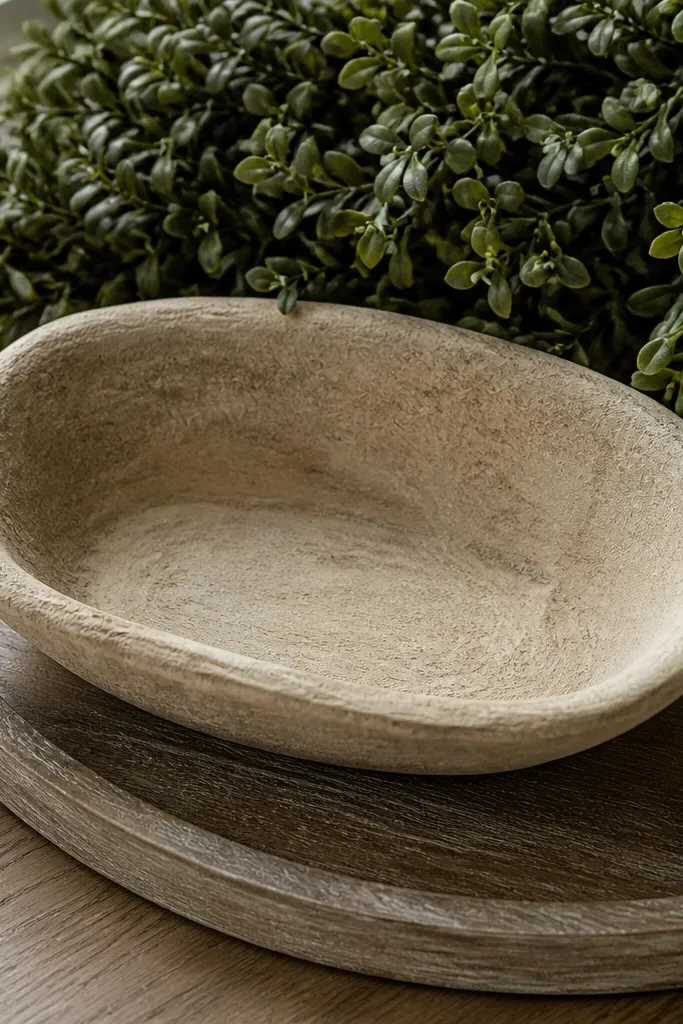
This is the trick for tray decor that looks full without being tall: use a shallow bowl shape and a single height layer behind it. The tray gives you a contained base, and the bowl shape adds “volume” without adding height at the dining zone. It’s great for people who want a more styled look but hate clutter. Choose faux greenery that stays narrow so it doesn’t spill into elbows.
Editor's notePick greenery with thin stems; thick stems make small setups look bulky fast.
Choose a tray around 14 x 20 inches and set a shallow bowl in the center. Arrange faux greenery behind the bowl so the tallest point stays under about 4 inches from the tabletop. Add one filler item like 2 to 3 decorative spheres or a small stack of faux apples, keeping them inside the bowl footprint.
Skip thisSkip tall sprays that rise above 4 inches; they crowd a small dining table.
8. Felt runner with a row of mini terracotta pots
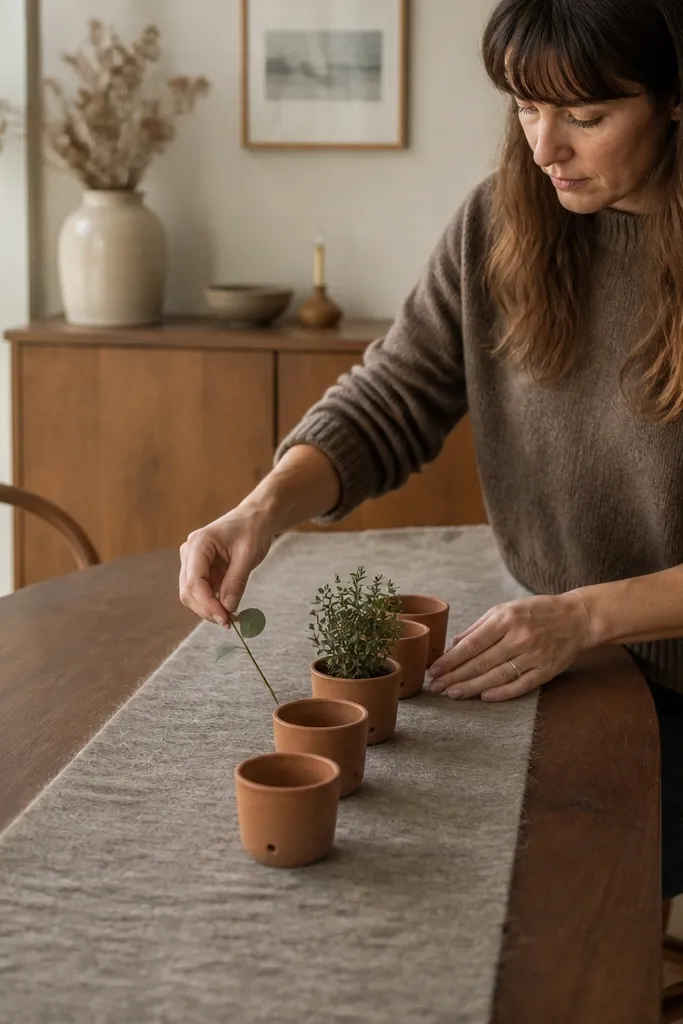
Felt runners are forgiving and cozy, and they handle small imperfections better than smooth fabric. A row of mini terracotta pots adds repetition, which makes the table look styled even with simple plants. Keep the pots small and the row short so it stays beginner-friendly for small tables. This setup works especially well for kitchens that need a warm, lived-in look without extra furniture.
Use a felt runner cut to about 12 inches long and narrower than your table width by 1 to 3 inches. Place three mini terracotta pots in a straight line across the runner center, leaving equal spacing between pots. Fill each pot with a tiny plant or a moss insert so the top stays low and doesn’t poke above 3 inches.
Use saucers or a plastic liner inside each pot to protect the felt from watering marks.
Don’t use big planters; mini pots keep the scale right.
9. Runner with a single bead garland and a ceramic salt cellar
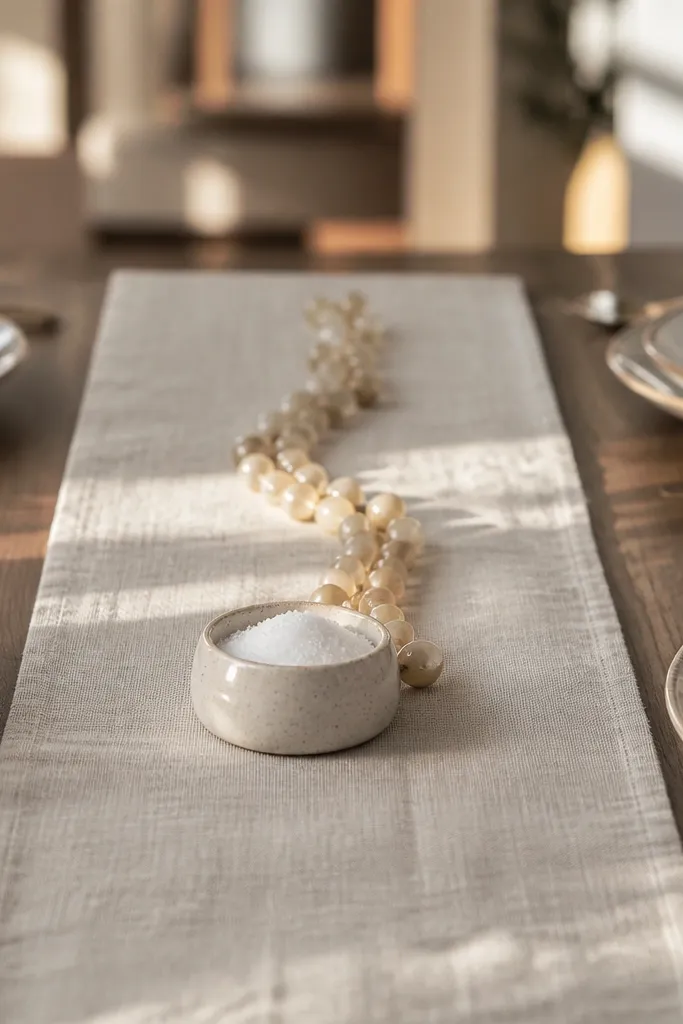
Beaded decor can look expensive, but it usually fails when it’s too long or too heavy. Keep it thin and short, then pair it with one grounded object like a ceramic salt cellar so the look doesn’t float. This is a runner option when you want sparkle without stacking multiple items. It’s also easy to pack away because the pieces are small.
Editor's noteSecure the garland with a tiny piece of double-sided tape under the runner so it doesn’t slide during dinner.
Choose a short runner around 12 inches long. Lay a thin bead garland along the centerline, then place a ceramic salt cellar at one end of the garland so the garland has a landing point. Tuck the excess garland so it stays within the runner footprint and doesn’t drift toward chair legs.
Skip thisDon’t use a long, thick garland; it overwhelms a small table fast.
10. Tray with a candle holder + matchbox + coaster stack
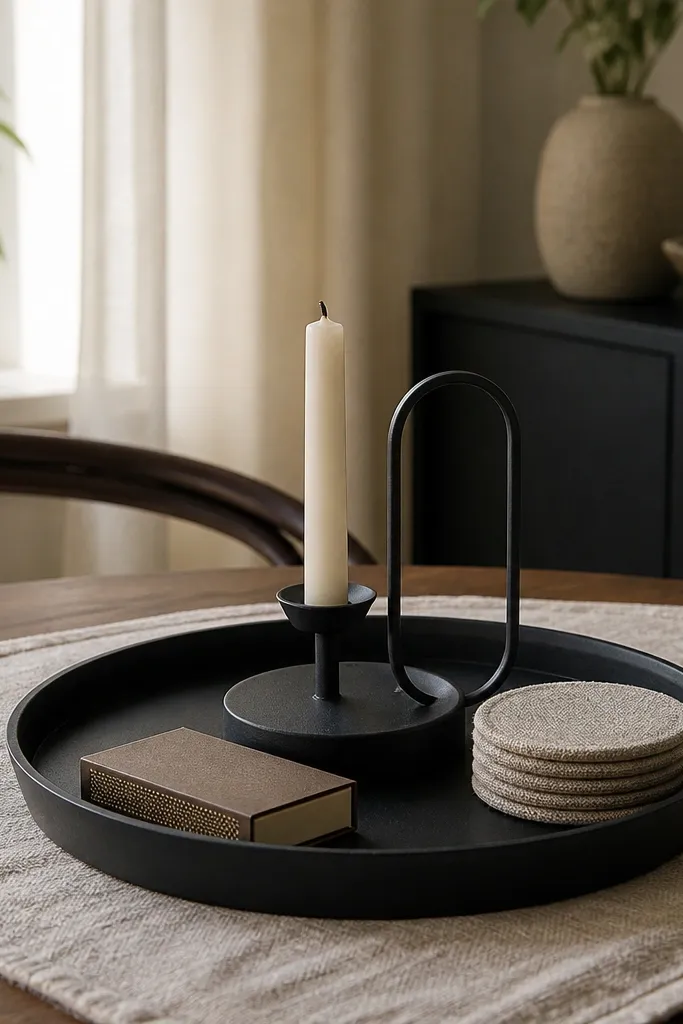
This setup looks styled because it mixes functional items with one decorative piece. A candle holder gives the glow, while matchbox and coaster stacks add texture and color without adding height. It’s a smart tray choice if you want decor that doesn’t feel fragile or fussy. Plus, coasters protect your table, so it’s not just for looks.
Pick a tray about 14 x 20 inches and place a single candle holder at the center. Stack 3 to 4 coasters at one side of the tray and set a matchbox near the base of the candle holder. Keep the total height under about 3 inches so the tray stays comfortable for dining.
Use coasters with a pattern that matches your room palette; the repetition makes it look intentional.
Don’t scatter loose accessories; keep them grouped so the tray reads clean.
11. Runner with a bamboo frame and one small vase of white flowers
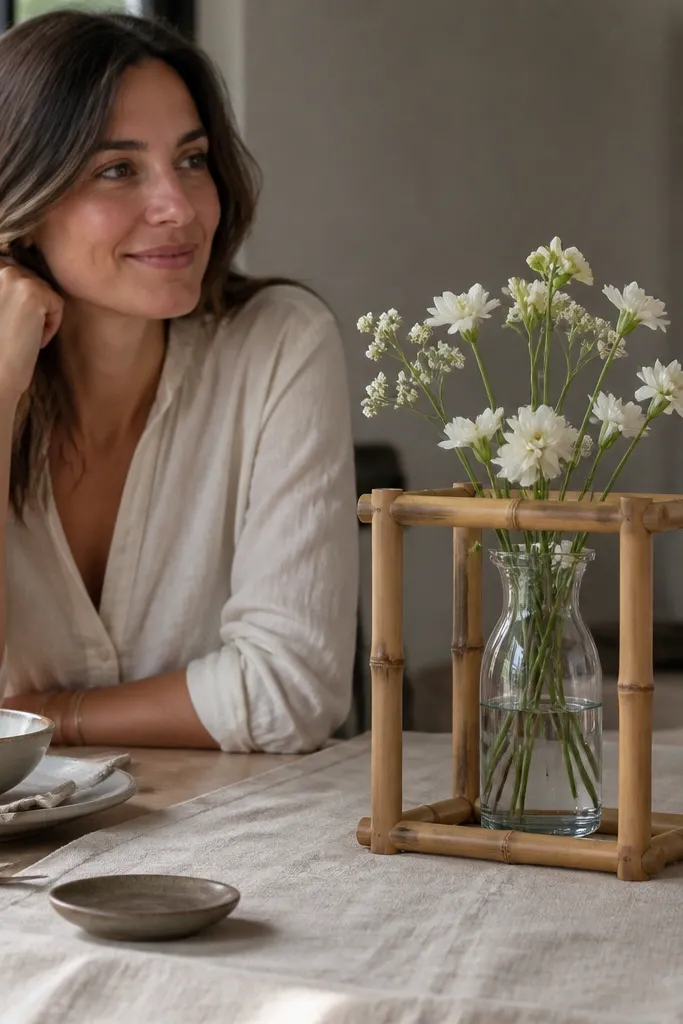
A bamboo frame on a runner adds structure and makes the centerpiece feel “designed” without needing a big arrangement. White flowers keep the palette bright and calm, which works well for small spaces where you don’t want heavy color. The frame also helps contain the vase so it doesn’t drift. This is a good runner choice when you want vertical interest but you still need the front of the table open.
Choose a runner that’s about 13 inches long and centered on the table. Place a small bamboo frame or tray-like frame on top of the runner, then set a short vase inside the frame. Add 3 to 5 white stems that stay under 8 to 10 inches tall and keep leaves minimal so the frame stays the main shape.
Choose stems with straight lines (like small carnations) so the arrangement doesn’t sprawl beyond the frame.
Skip tall, bushy bouquets; they push height into the eating zone.
12. Tray with a single book stack and a small sculptural object
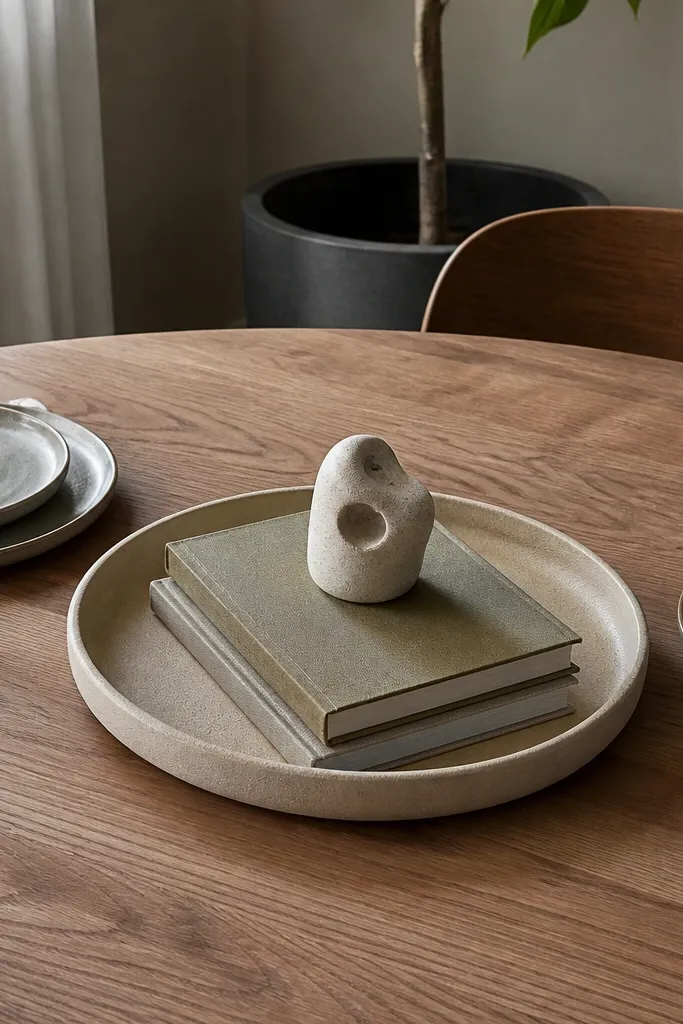
This is for people who don’t want flowers or faux plants on the table. A tiny book stack gives you instant height variation without bulky materials, and a sculptural object adds personality. The tray keeps it tidy, so it reads as a centerpiece rather than a random pile. Use this when your dining table also acts as a drop zone and you want decor that stays contained.
Use a shallow tray about 14 x 20 inches and place two thin books side-by-side in the center. Set a small sculptural object on top of the books so the highest point stays under about 4 inches. Add a small tray-side accent like a folded napkin corner or a coin-sized candle so the tray doesn’t feel empty.
Use books with similar spine colors so the “stack” looks intentional rather than mismatched.
Don’t use thick, tall books; they steal space on small dining tables.
13. Runner with a low garland and two matching glass votives
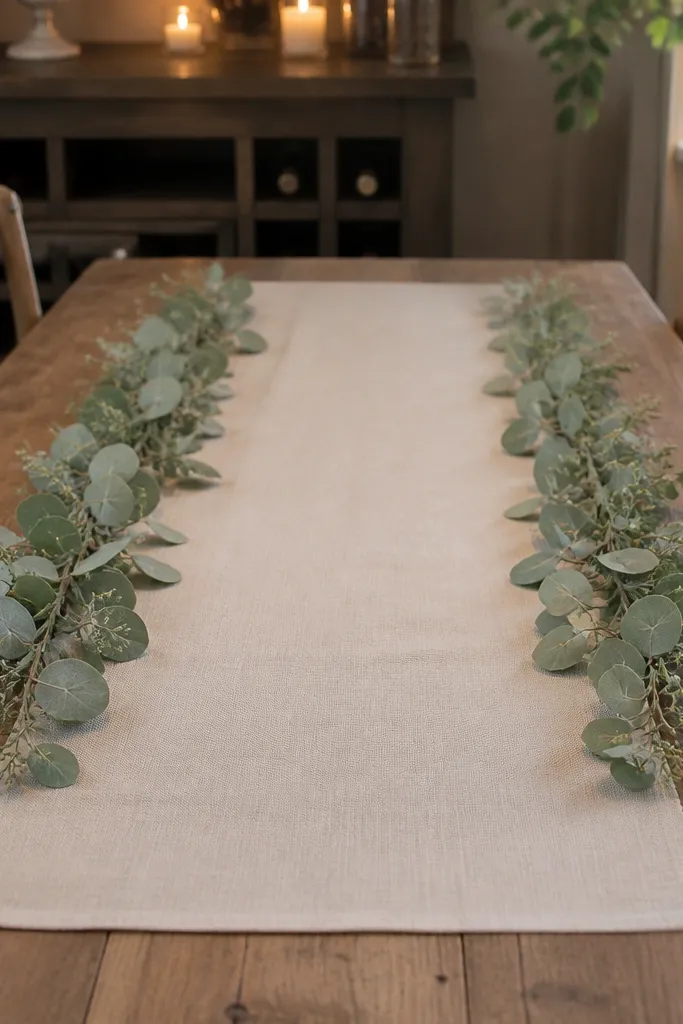
Low garlands are where runner decor shines because you get a line of texture without towering items. Two matching votives add symmetry and light, and keeping them on the left and right sides makes the center feel open. Choose glass votives that sit flat and stable on the runner. This setup is easy to maintain because you can remove the candles and wipe the runner quickly.
Editor's noteIf your runner slides, add a thin non-slip mat under it cut to the runner size.
Lay a runner across the table centerline, sized about 12 to 14 inches long and 1 to 3 inches narrower than the table width. Place a low garland along the runner center, then set two glass votives at the front corners of the garland. Make sure the votives sit under 3 inches tall from the tabletop for everyday use.
Skip thisAvoid oversized votives; big glass cups look top-heavy on small tables.
14. Tray with a shallow bowl of potpourri and a mini brass spoon
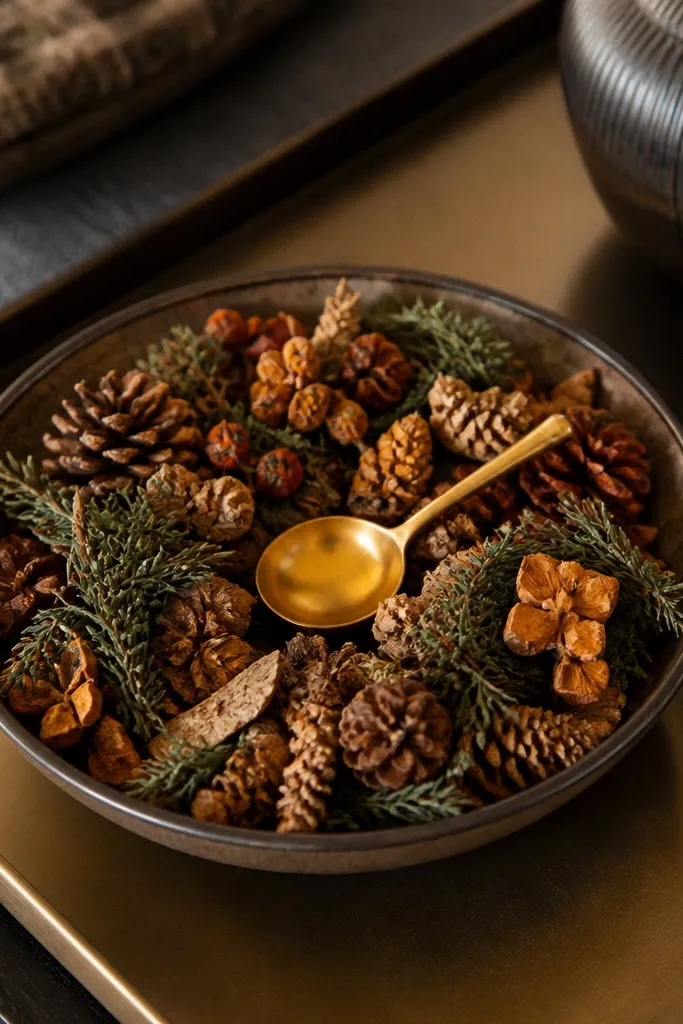
Potpourri looks decorative, but it also makes the table smell like you tried. The shallow bowl keeps the height low, and the mini brass spoon adds a practical detail that reads intentional. This is a tray idea because potpourri can scatter, and containment matters in dining areas. Pick scents that match the season and keep the bowl sealed with a lid between uses if you have pets or kids.
Choose a tray around 14 x 20 inches and center a shallow bowl in the middle. Fill the bowl with a thin layer of potpourri so it stays below the bowl rim, then place a mini spoon on the bowl edge. Add one extra small item at the tray side, like a wrapped tea light or a mini linen napkin fold, keeping everything within the tray footprint.
Buy potpourri in a larger bag and refill the bowl; it’s cheaper than replacing a pre-made centerpiece kit.
Skip tall glass jars; they trap scent but block eating space.