
1. Split Heart BFF Pair
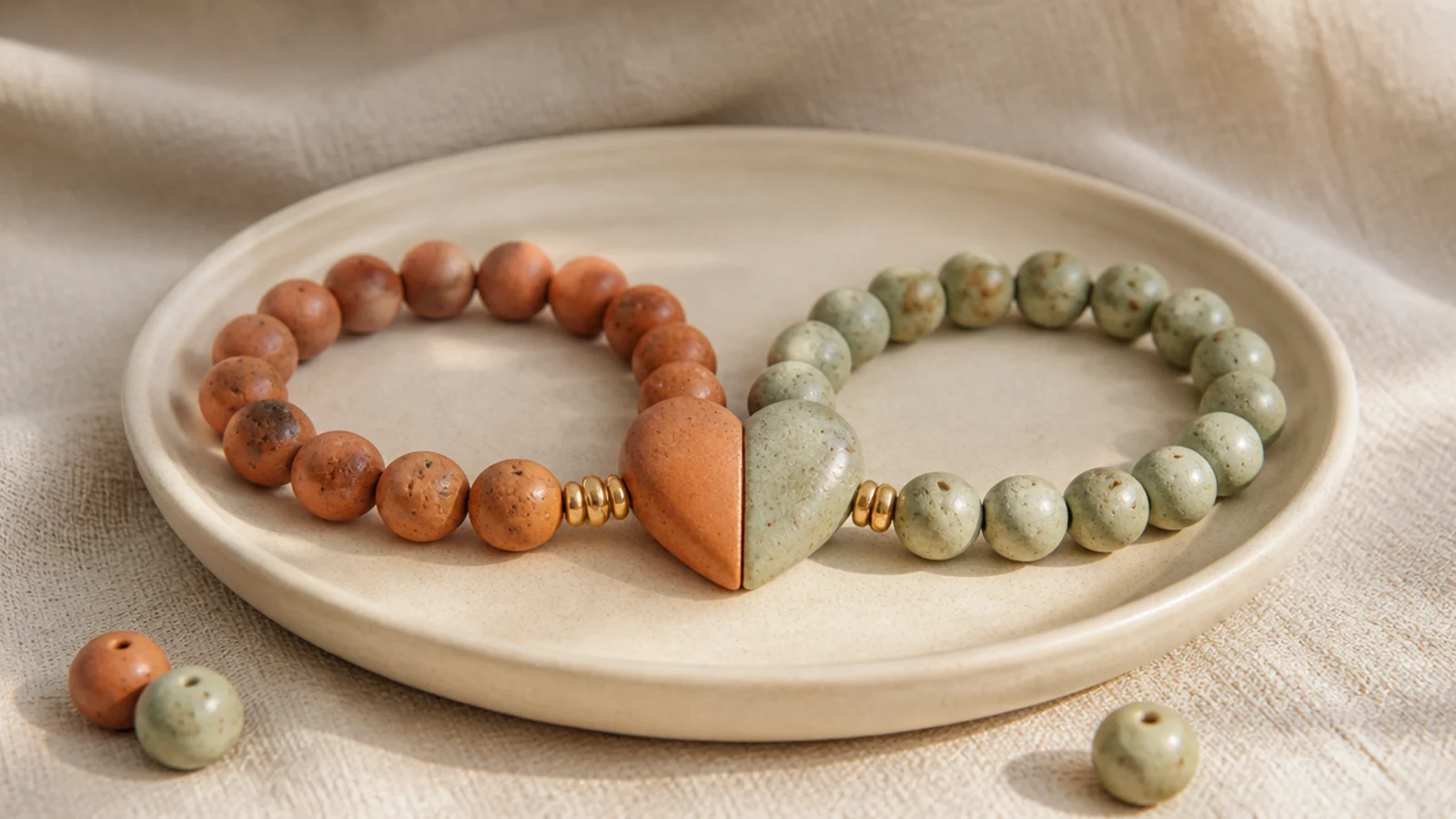
The classic BFF set: each bracelet holds half a heart, so a whole heart appears when you hold them together. It’s simple, meaningful, and instantly readable as a pair. The matching base color ties the two halves. This is the first matching set most people want to make.
Tip one base color into a shared dish. Cut two lengths of 0.8mm cord and tape one end of each. String matching base beads on both to the halfway point, add one half of the split-heart bead to each bracelet, then finish both with equal base beads. Keep both counts identical, then tie a surgeon’s knot on each, seal, and hide the knots.
String both bracelets in parallel, bead for bead, so the two heart halves sit at exactly the same spot on each band.
Don’t make one bracelet longer than the other with extra base beads; the heart halves won’t align when held together.
2. Best / Friends Word Split
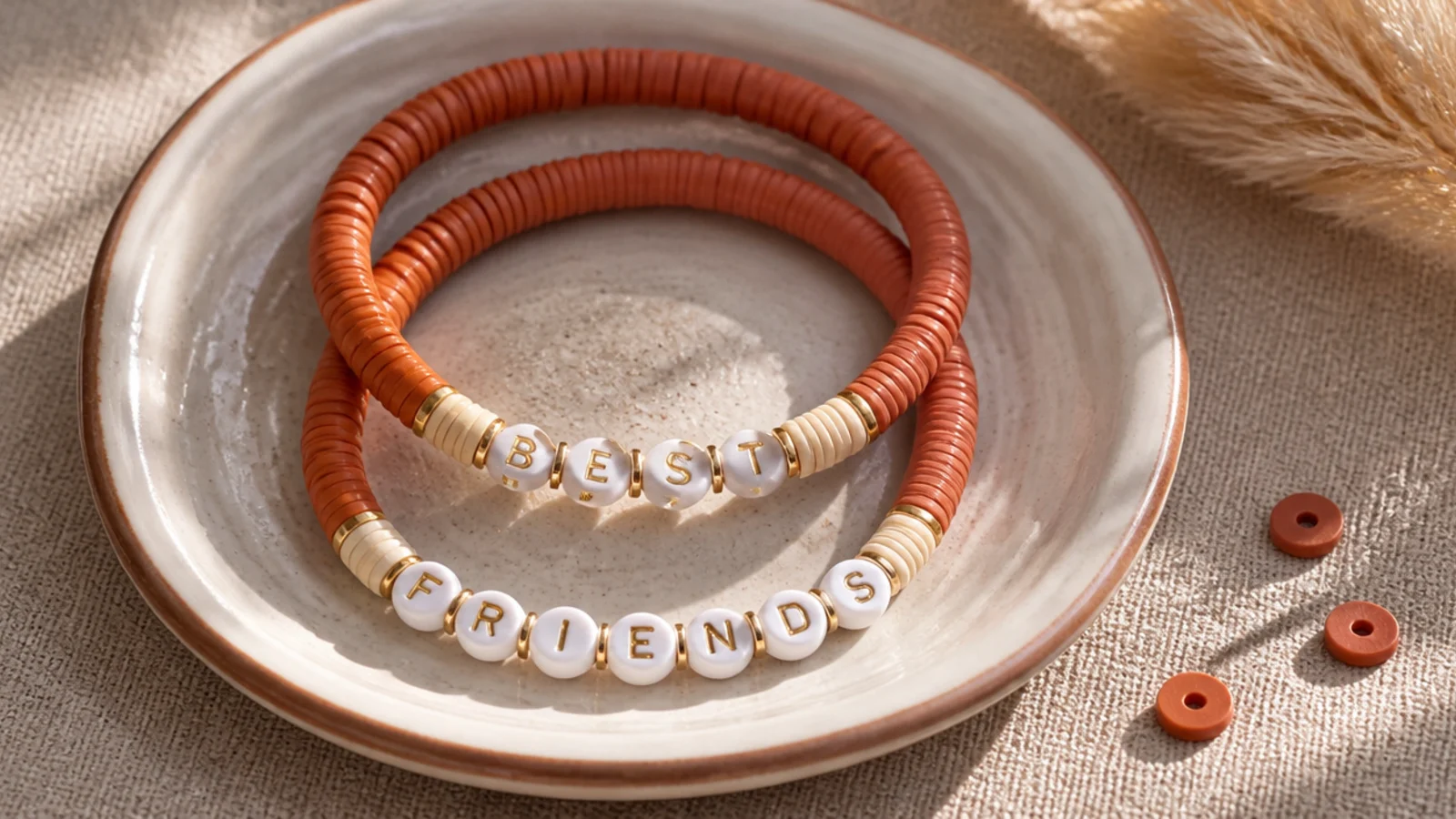
One bracelet reads BEST, the other FRIENDS, so the phrase completes across the pair. Spelling the words in letter beads makes it personal and clear. A shared base color unites them. A word split is a timeless friendship design.
Lay out the letters for both words and count them. String a matching base on both cords for the first third, add BEST to one and FRIENDS to the other, then finish with base beads so each word is centered. Adjust base beads for different wrist sizes. Test-fit a letter bead on your cord first, then knot, seal, and hide the knots.
Editor's noteCenter each word by keeping equal base beads on both sides, and double-check the spelling before knotting either bracelet.
Skip thisDon’t use different base colors for the two words; a shared base is what makes them read as one phrase split in two.
3. Matching Palette Twins
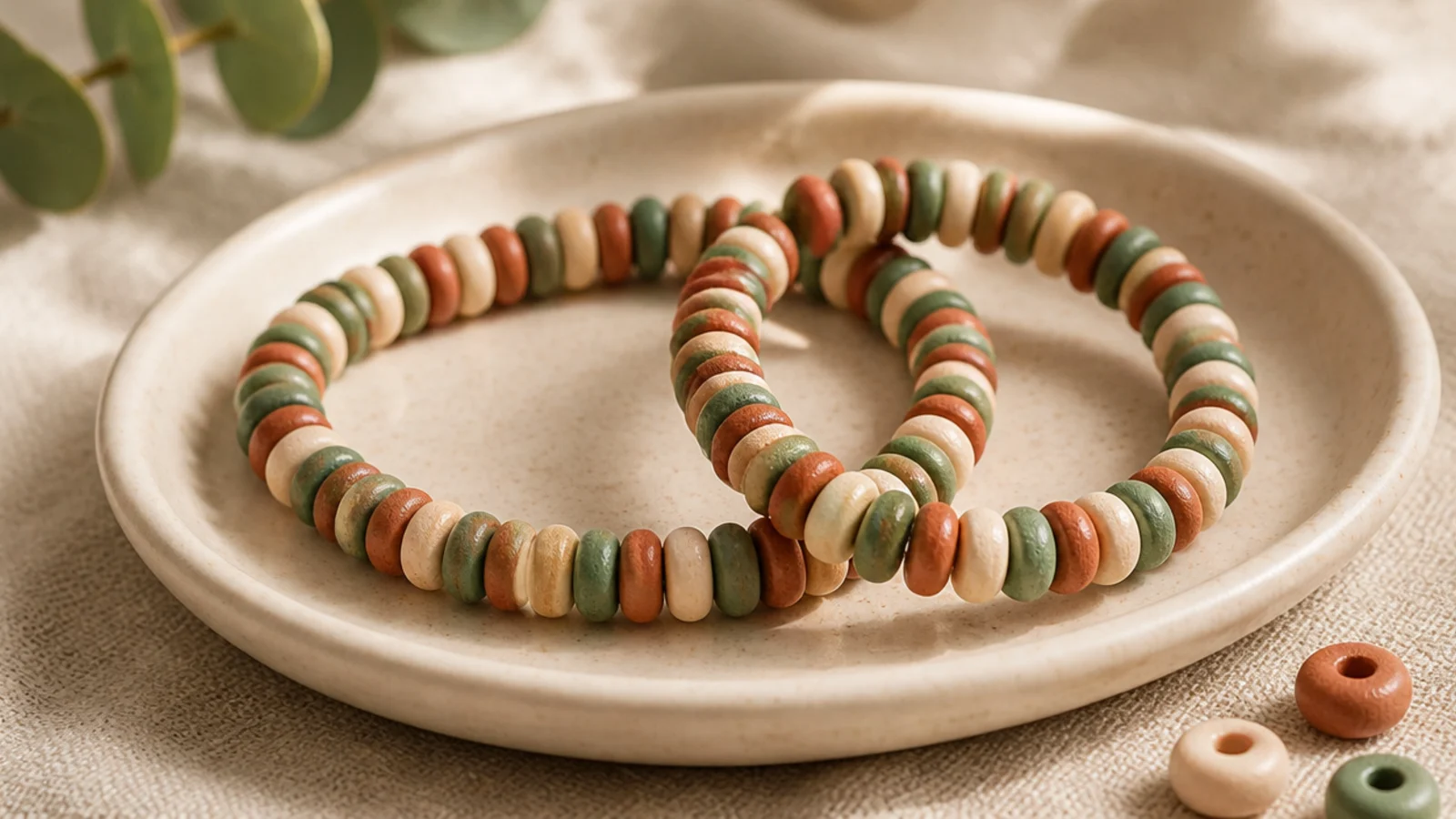
The simplest match: two identical bracelets in the same palette and pattern. No focal beads needed — the twin look is the statement. Great for friends who just want to wear the same thing. It’s the easiest matching set to make.
Choose one palette and one pattern — say a sage, cream, terracotta repeat. String both bracelets from the same dish in the exact same sequence, keeping the counts identical. Work them side by side to stay matched. String both to size, then tie a surgeon’s knot on each, seal, and hide the knots so the two look like one made pair.
String both twins in the same sequence at the same time so the repeats line up bead for bead.
Don’t string one twin from a different batch of beads later; slight shade differences between tubes break the identical look.
4. Mirror Image Pair
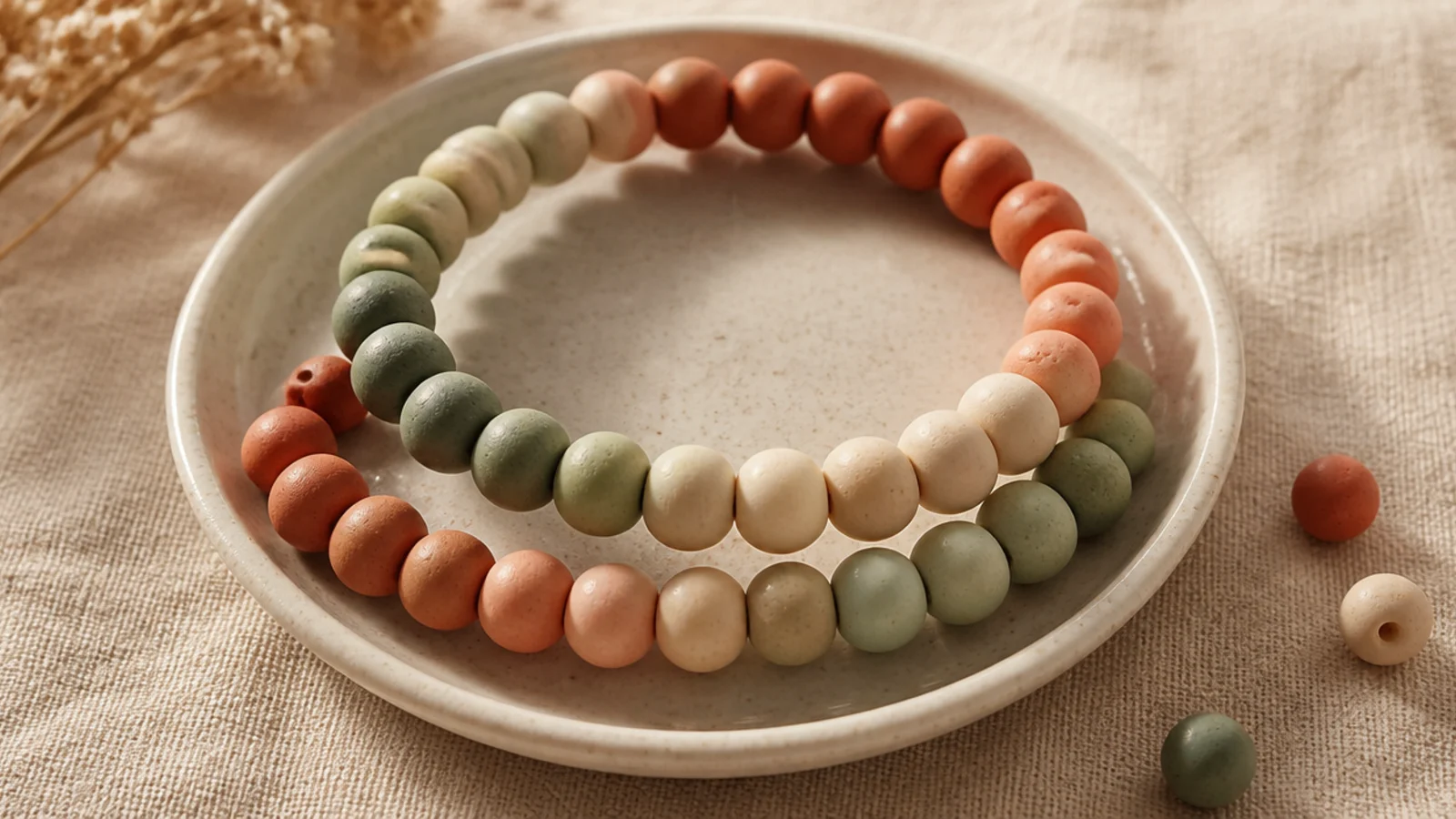
Two bracelets where the pattern runs in opposite directions mirror each other like a reflection. A gradient going light-to-dark on one and dark-to-light on the other is striking side by side. It’s a subtle, clever match. Looks especially good when worn on facing wrists.
Sort shades of one color light to dark. String one bracelet pale-to-deep and the other deep-to-pale, keeping the counts identical so they’re true mirrors. Work them together to match the runs. String both to size, then tie a surgeon’s knot on each, seal, and hide the knots.
Keep each shade run the same length on both bracelets so the gradients mirror each other exactly when placed together.
Don’t vary the run lengths between the two; unequal runs mean the mirror won’t line up when the wrists meet.
5. Initial Swap Pair
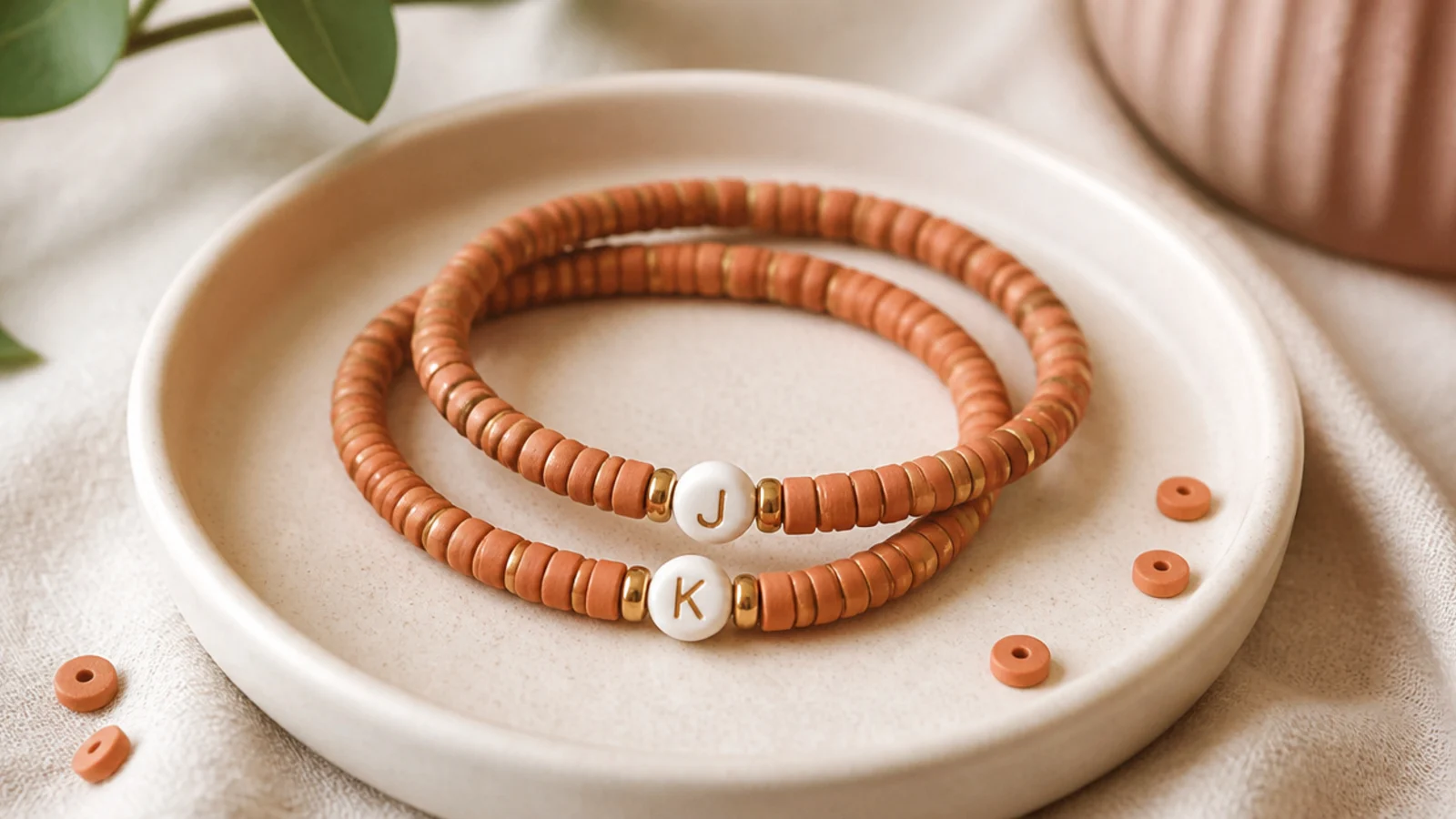
Each person wears the other’s initial — a sweet twist on the monogram. The swap makes the pair feel connected and personal. A shared base color ties them together. A thoughtful set for close friends or couples.
String a matching base on both cords to the halfway point. Add person A’s initial to person B’s bracelet and vice versa, each centered and flanked by a small gold spacer or pearl. Keep counts identical, adjusting end beads for wrist size. Test-fit letters first, then tie a surgeon’s knot on each, seal, and hide the knots.
Editor's noteFrame each swapped initial with a matching spacer on both bracelets so the pair looks intentionally designed together.
Skip thisDon’t accidentally give each person their own initial; the whole point is the swap, so double-check before knotting.
6. His and Hers Couple Set
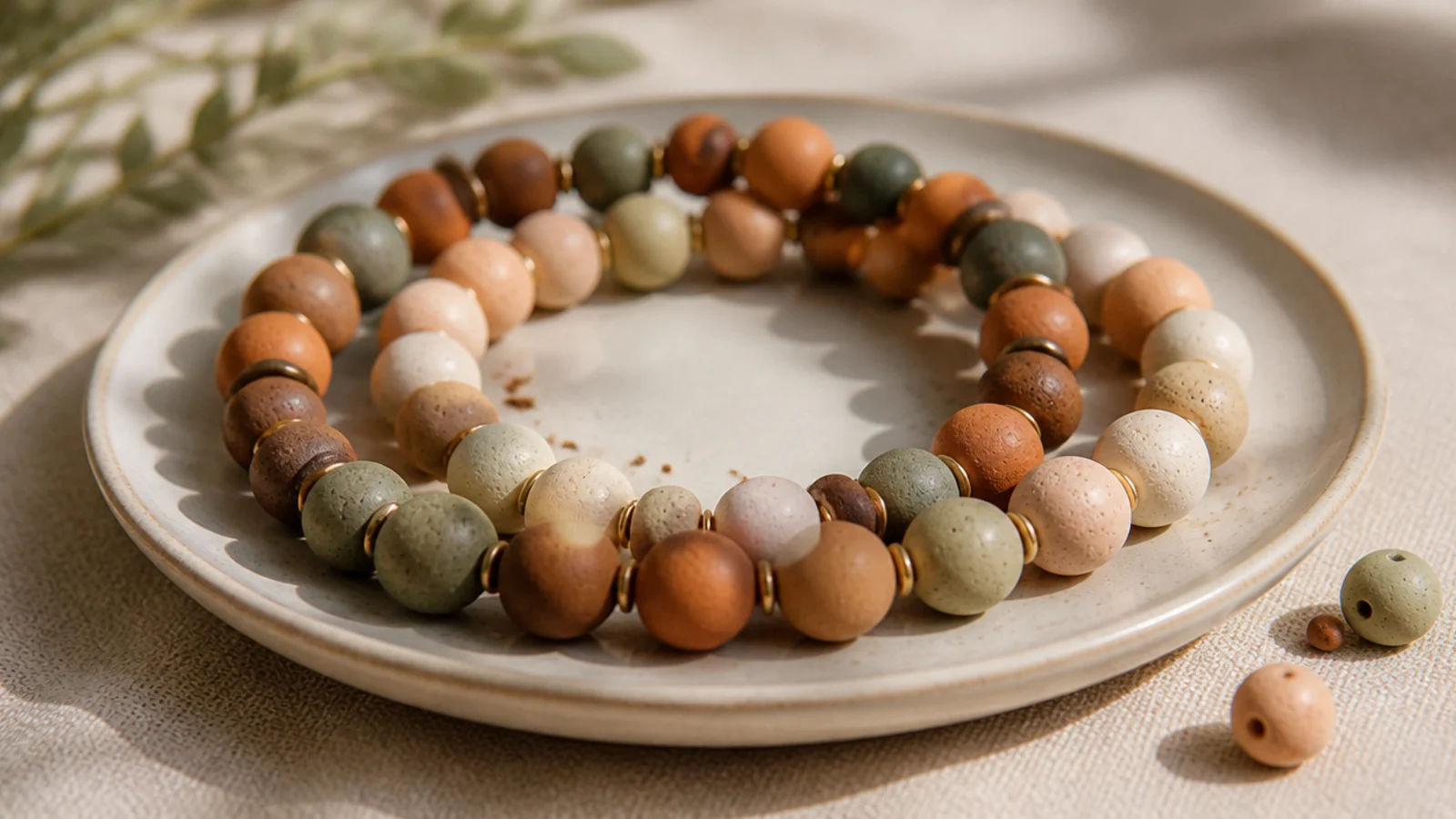
A couples set shares a palette but shifts lighter and darker for each person. Same colors and count, different balance — matching without being too matchy. It’s wearable for both people. A grown-up take on the matching bracelet.
Choose one palette. String one bracelet leaning to the darker, more neutral shades and the other to the lighter ones, using the same colors and identical counts. Add one matching accent — a gold spacer — to both. Work them together, then tie a surgeon’s knot on each, seal, and hide the knots.
Keep one shared accent bead on both bracelets so the his-and-hers pair clearly reads as a matched set.
Don’t change the palette between the two; if the color families differ they look like separate bracelets, not a couple’s set.
7. Sun and Moon Pair
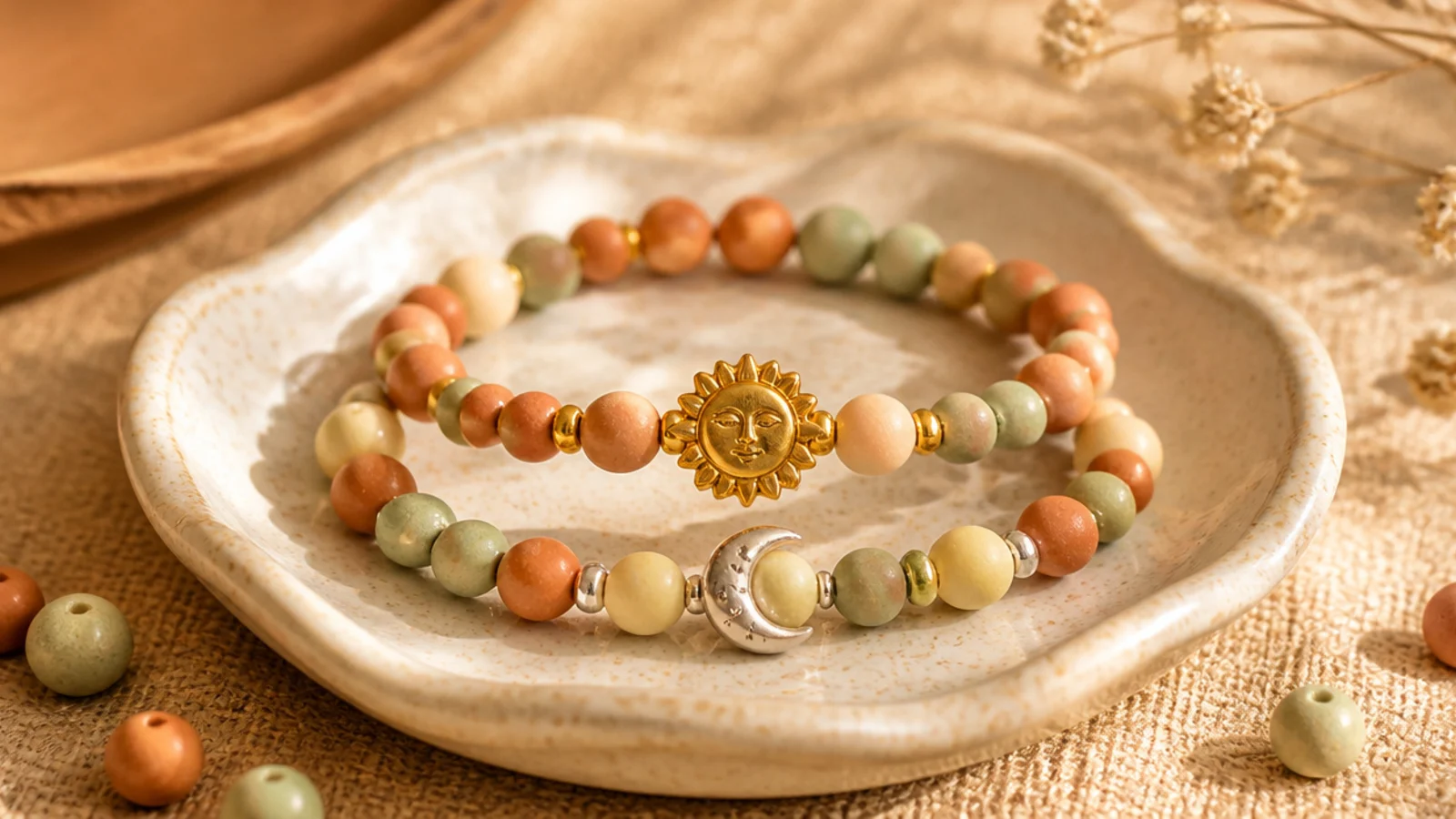
One bracelet carries a sun, the other a moon — a poetic pair for people who balance each other. The celestial focals make the match feel meaningful. A shared base unites them. A favorite for close friends and partners.
String a matching base — navy or dusty blue — on both cords to the center. Add a gold sun bead to one and a silver crescent moon to the other, each flanked by a small star spacer. Keep counts identical, adjusting ends for wrist size. Test-fit focals first, then tie a surgeon’s knot on each, seal, and hide the knots.
Editor's noteUse a base like navy or dusty blue that flatters both the gold sun and the silver moon so the pair feels unified.
Skip thisDon’t mix wildly different base colors; a shared night-sky base is what ties the sun and moon into one set.
8. Yin and Yang Pair
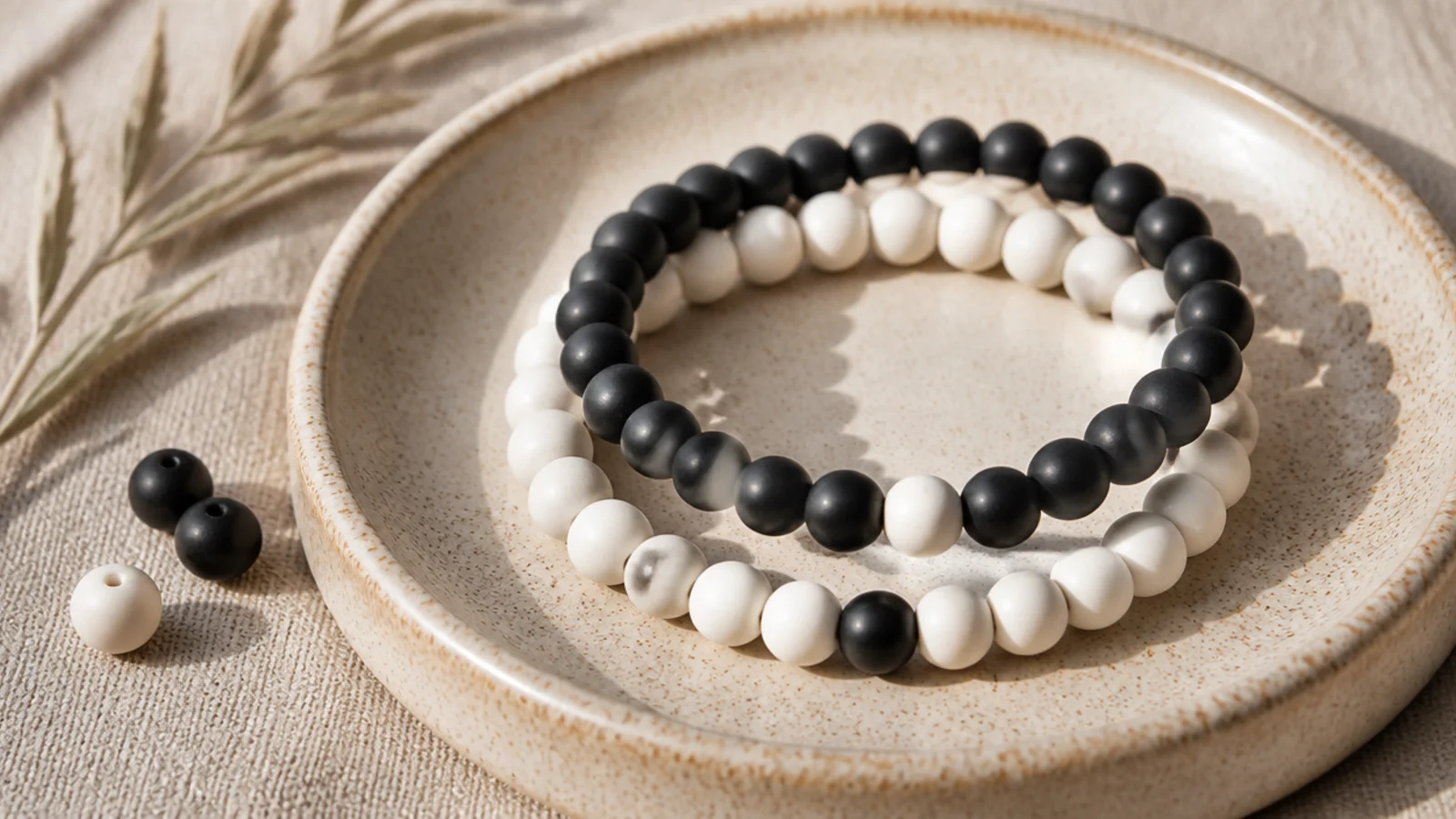
One bracelet is black with a single white bead, the other white with a single black bead — a yin-and-yang match. The inverted pair is graphic and modern. It reads clearly as two halves of one idea. A sleek, minimal matching set.
Pull black and white beads into a shared dish. String one bracelet all black with a single white accent bead off-center, and the other all white with a single black accent in the mirrored spot. Keep counts identical. Work them together, then tie a surgeon’s knot on each, seal, and hide the knots.
Place the lone accent bead at the same off-center spot on both bracelets so the inverted pair mirrors cleanly.
Don’t add extra accents; the single inverted bead on each is the whole yin-and-yang idea, and more clutters it.
9. Puzzle Piece Pair
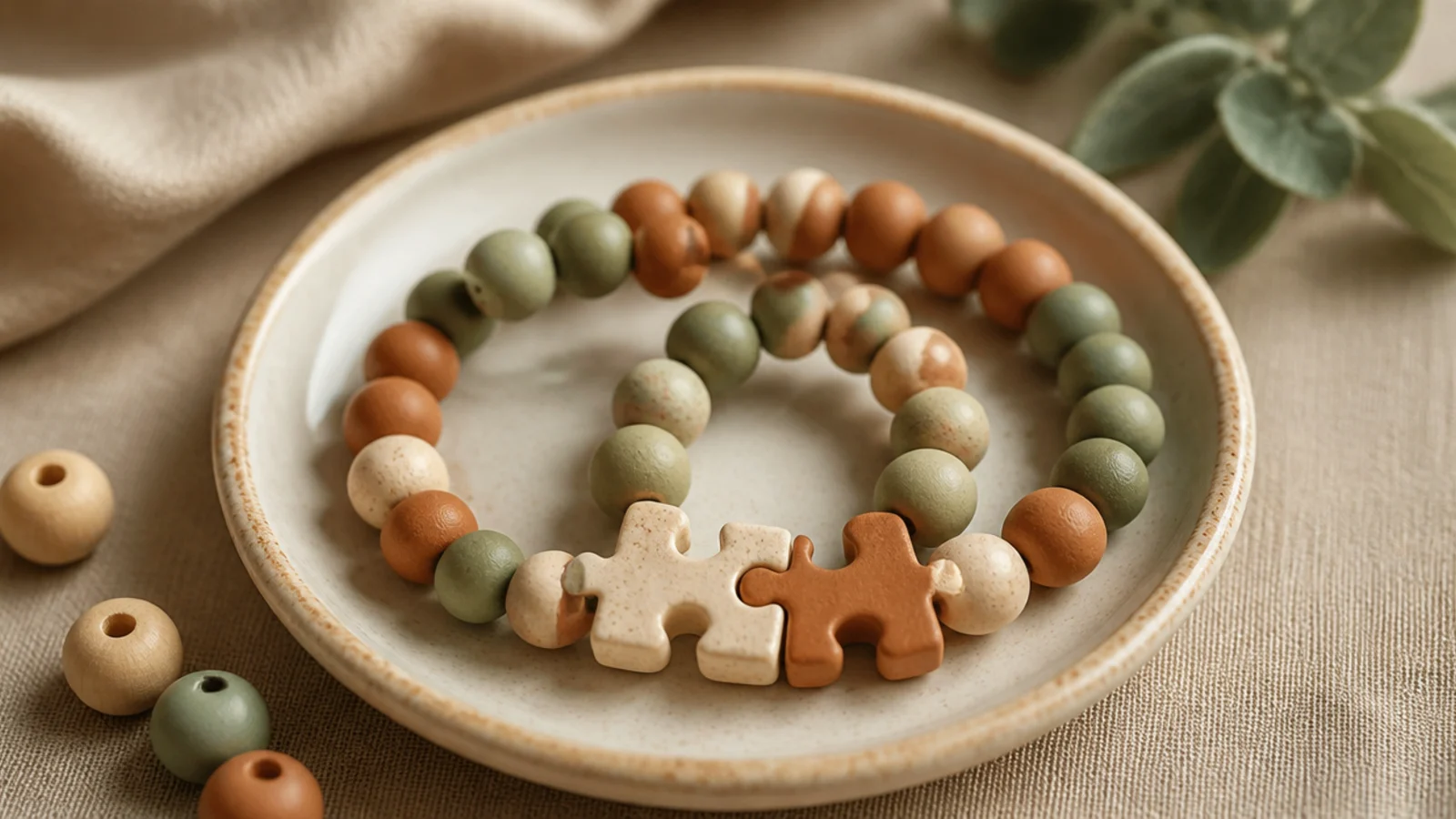
Each bracelet holds a puzzle-piece bead that fits its partner — a literal 'we fit together' set. The interlocking focals make the match playful and clear. A shared base color ties them. A charming friendship or couples design.
String a matching base on both cords to the center. Add one puzzle-piece focal to each bracelet, positioned identically. Keep counts the same, adjusting ends for wrist size. If puzzle beads are unavailable, use a key on one and a lock on the other. Test-fit focals, then tie a surgeon’s knot on each, seal, and hide the knots.
Editor's noteChoose puzzle or key-and-lock focals that clearly relate so the 'we fit together' idea reads at a glance.
Skip thisDon’t pick two unrelated focal beads; the pieces need to visibly connect for the puzzle set to make sense.
10. Half-Color Swap Pair
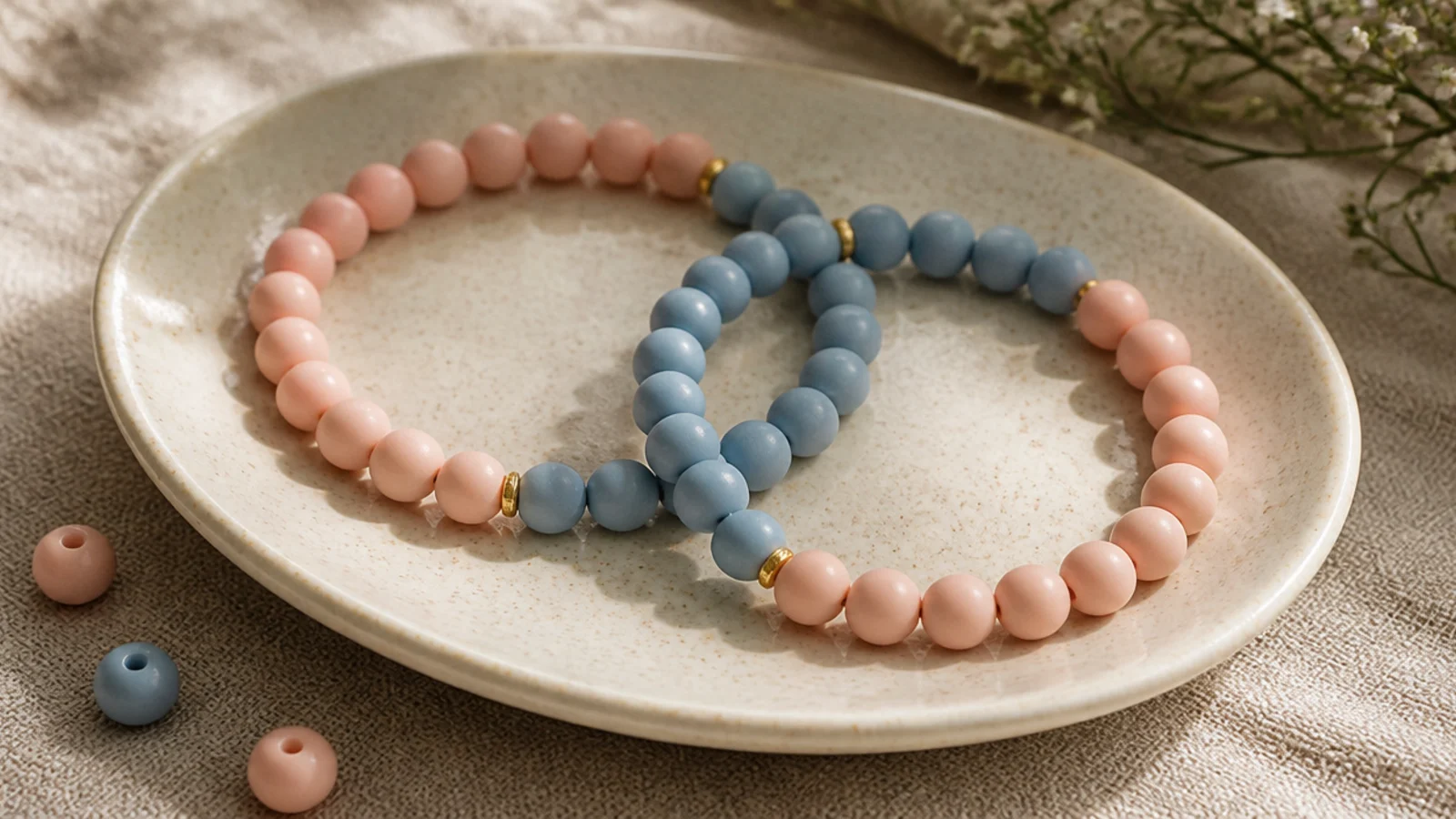
Both bracelets use the same two colors, but the color-block halves are swapped. One is pink-then-blue, the other blue-then-pink. The mirrored color-blocking makes an obvious, cheerful pair. Simple and graphic.
Pull two colors into a shared dish. Split each bracelet into equal halves, but reverse the color order on the second so they swap. Keep counts identical so the halves align. Work them together, then tie a surgeon’s knot on each, seal, and hide the knots at the color joins.
Split both bracelets at the same bead count so the swapped halves line up when the pair is side by side.
Don’t use different shades of the two colors on each; the swap only reads if both use the exact same pair.
11. Matching Smiley Duo
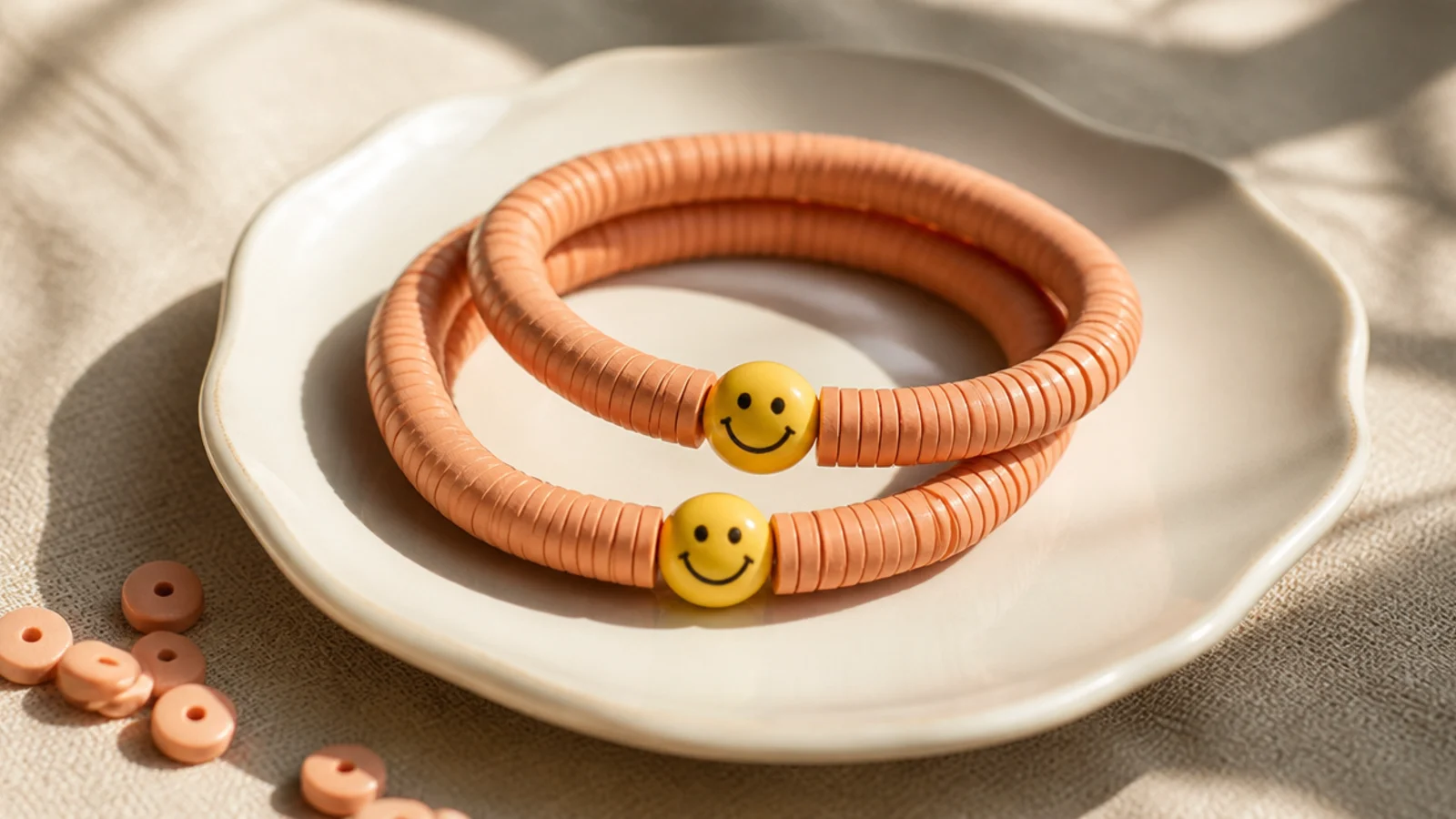
Two identical bracelets each with a smiley face — happy, easy, and clearly a set. The shared smiley is a cheerful friendship signal. A bright matching base makes them pop. A fun, low-effort matching duo.
String a matching bright base on both cords, placing a single yellow smiley bead centered on each. Keep counts and placement identical. Work them side by side so the smileys sit in the same spot. String both to size, then tie a surgeon’s knot on each, seal, and hide the knots.
Editor's notePlace the smiley at the same center bead on both so the duo looks deliberately matched, not just similar.
Skip thisDon’t use different base colors; the point is a true twin pair, so keep everything identical down to the shade.
12. Family Sized Set
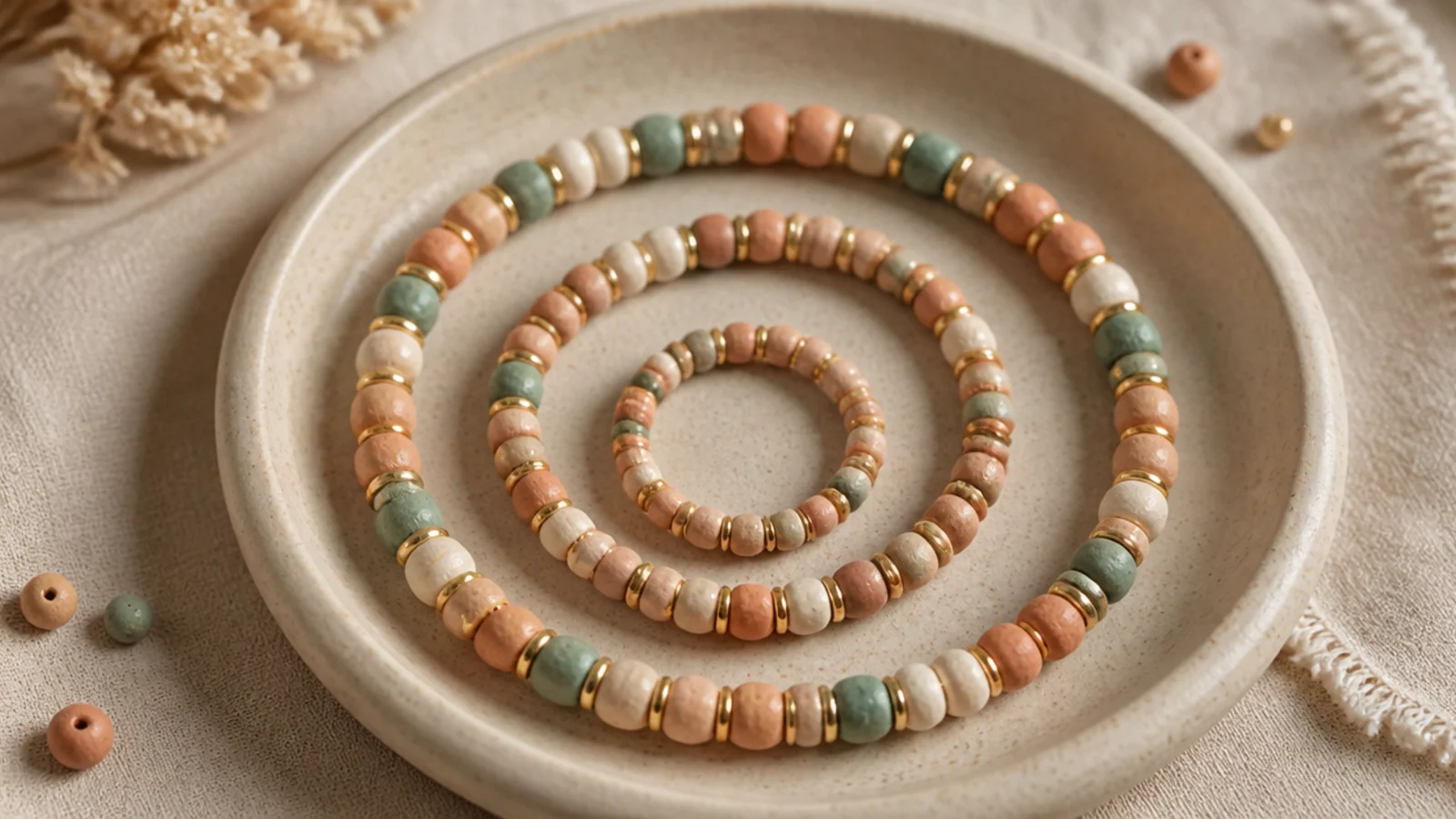
The same design scaled across sizes makes a sweet family or mommy-and-me set. Everyone wears the same palette and focal, just sized to fit. The shared design ties the whole family together. A heartwarming set for photos and gifts.
Choose one palette and focal. Measure each wrist with a paper strip. String each bracelet in the same design, keeping the pattern and focal identical and changing only the plain end beads for each size. Use 1mm cord for kids' durability. Tie a surgeon’s knot on each, double-glue the kids' knots, and hide them.
Editor's noteKeep the focal and pattern identical across all sizes and change only the end beads so the set clearly matches at every size.
Skip thisDon’t shrink the pattern for small wrists; keep the design and just remove end beads, or the kids' version won’t match.
13. Group Set With Shared Base
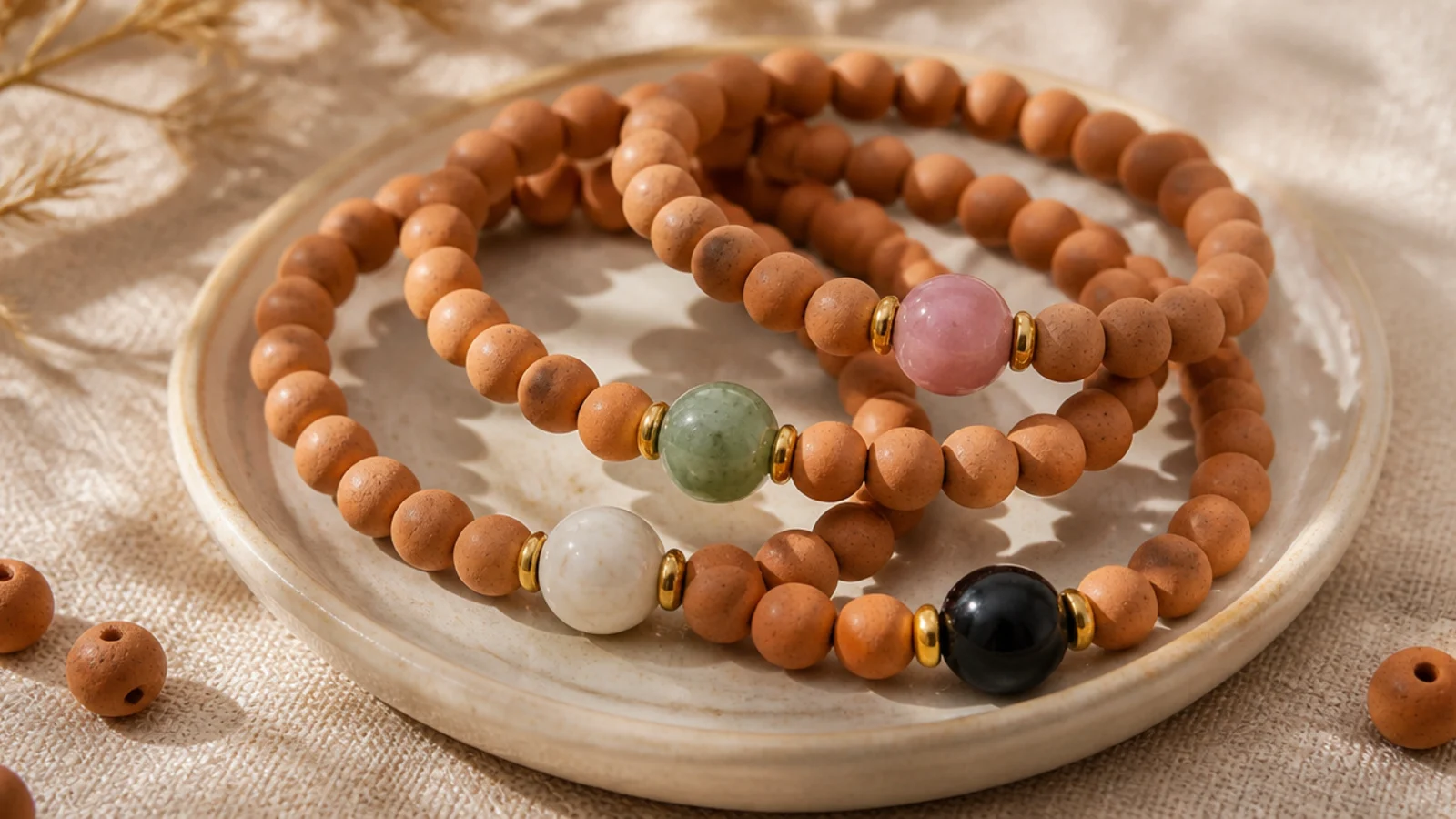
For a friend group, everyone wears the same base with a different colored focal. The shared base unites them; the different focal makes each personal. It scales to any number. A great set for a squad or a team.
Choose one base color for everyone. String each bracelet on the shared base with identical counts, then give each person a different colored focal bead in the center. Work from one dish of base beads so the shade matches across all. Tie a surgeon’s knot on each, seal, and hide the knots.
Editor's noteUse one shared base color for the whole group and let only the focal bead differ, so every bracelet clearly belongs to the set.
Skip thisDon’t let each person pick a different base too; the shared base is the thread that makes it a group set.
14. Complementary Color Pair
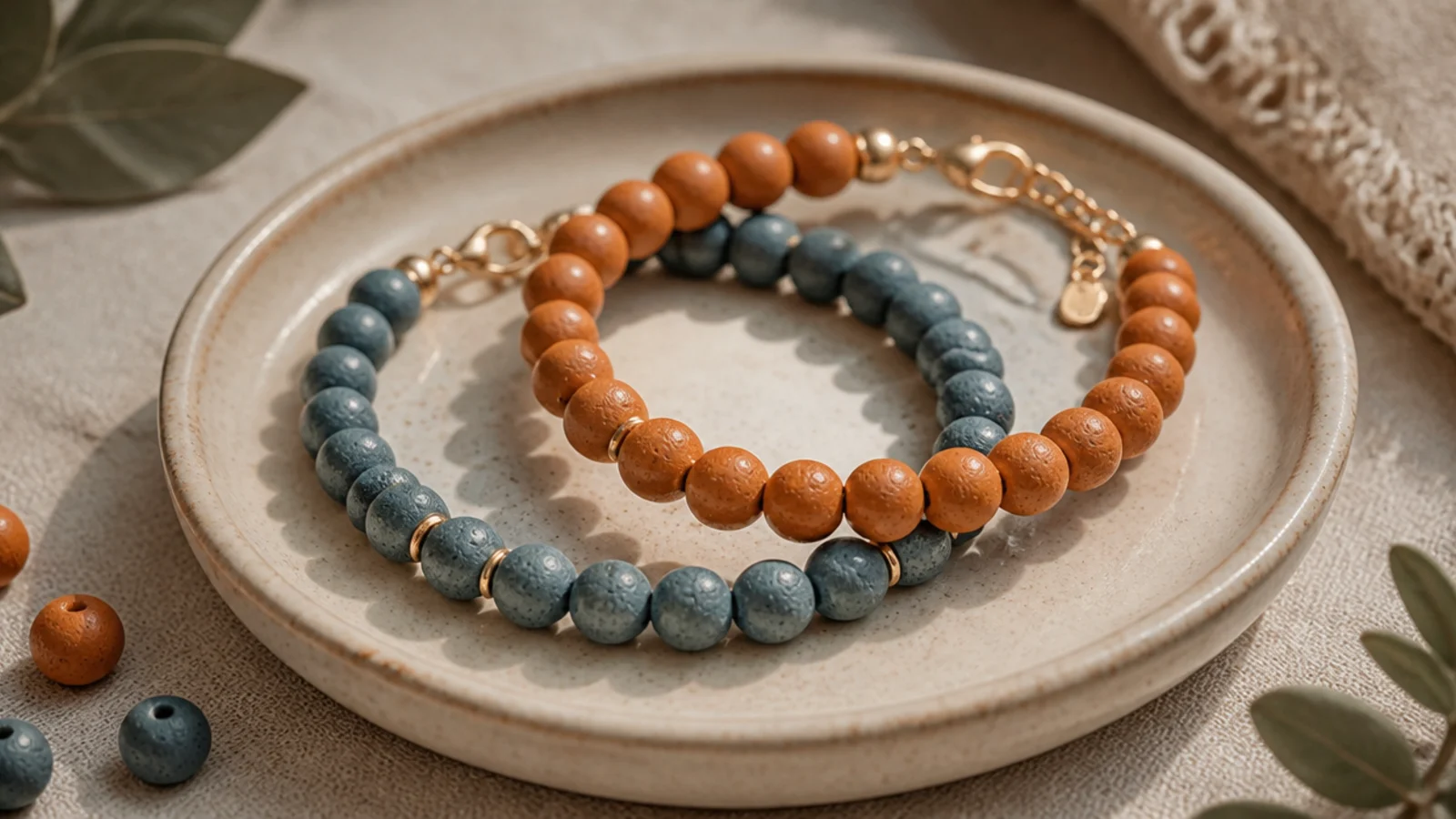
Two bracelets in complementary colors — orange and blue — look striking together while each stands alone. The colors complete each other like the friends do. Same pattern, opposite hues. A color-smart matching set.
Choose a complementary pair — orange and blue. String both bracelets in the same pattern and count, one in each color, with a single shared accent — a gold spacer — on both. Work them together to match the layout. String to size, then tie a surgeon’s knot on each, seal, and hide the knots.
Editor's noteAdd one identical accent bead to both so the complementary pair reads as a designed set, not two random bracelets.
Skip thisDon’t pick colors that merely differ; true complements like orange and blue are what make the pair feel connected.
15. Matching With One Signature Difference
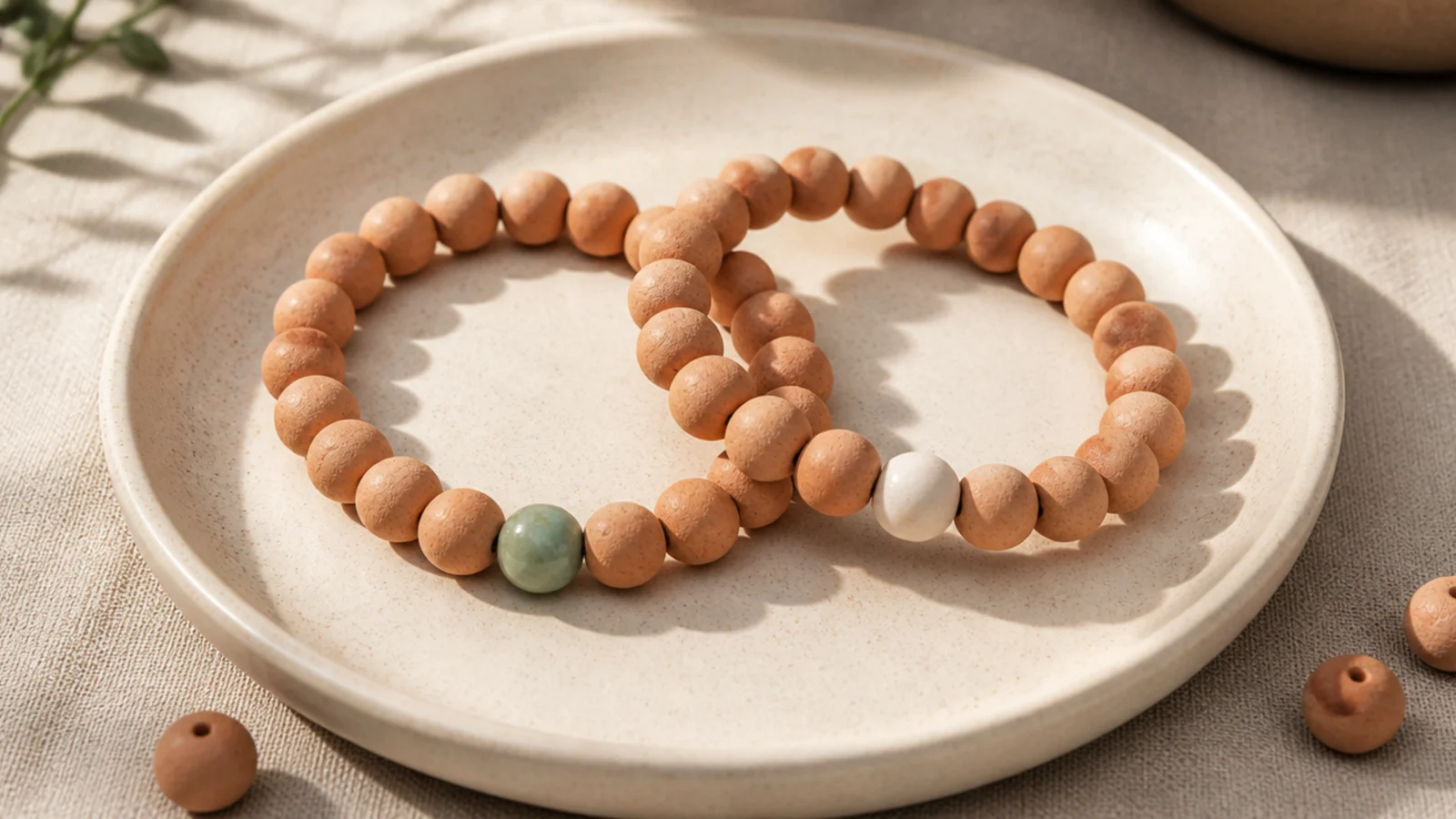
Two bracelets identical except for one signature bead each — a subtle, personal match. The near-twin look reads as a set, while the single different bead marks each person. It’s understated and clever. Perfect for those who want matching without obvious matching.
String two identical bracelets from one dish, same palette and count. On each, swap just one bead for a different color that’s personal to that person. Keep everything else the same and placed identically. Work them together, then tie a surgeon’s knot on each, seal, and hide the knots.
Editor's notePlace each person’s signature bead in the same spot on both bracelets so the difference looks intentional, not like a stray bead.
Skip thisDon’t change more than one bead; the whole charm is that they’re identical except for a single personal mark.