
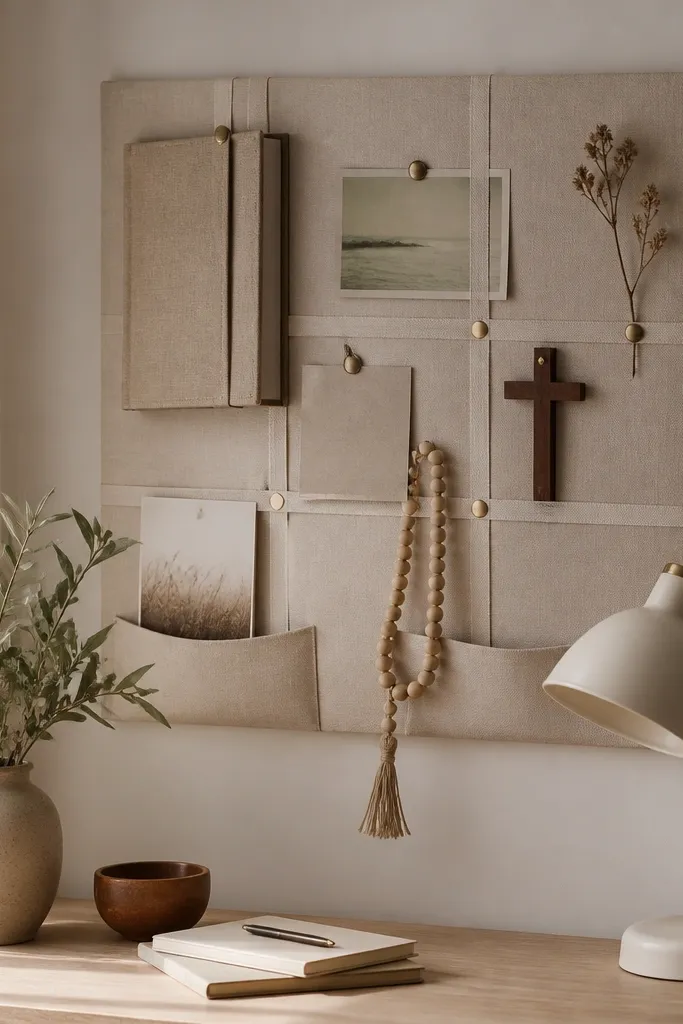
1. Cork + linen prayer grid with sliding request cards
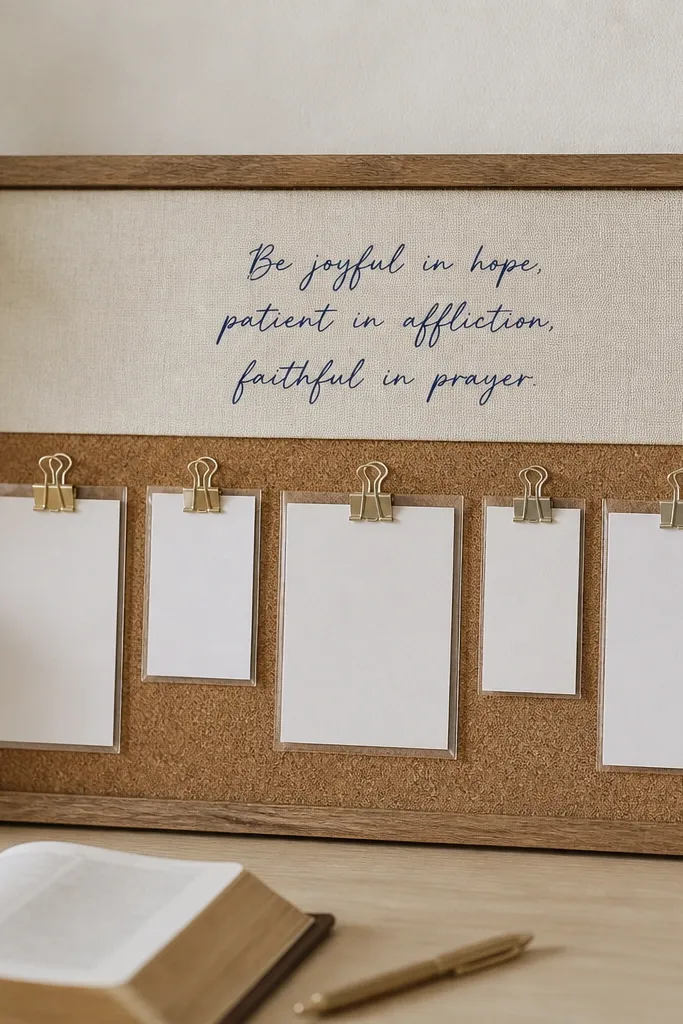
Build it on a 1/2-inch-thick wood panel, then glue 1/8-inch cork sheet to the face. Frame with 3/4-inch wide stained wood strips so the edges look finished. Use 2 to 3 clear sleeve strips (like trading-card pages cut into sections) and attach them with small binder clips so you can remove cards for updates.
Cork gives you texture and pin-ability without looking bulky. Linen adds softness and makes the board feel “homey” instead of office-y. The sliding sleeves keep names and requests easy to swap without tearing paper. I used navy ink on off-white cards so the board reads clean from across the room.
Skip thisDon’t leave cork exposed without a frame — it makes the board look like a craft mat.
Editor's noteWrite requests on cardstock and cut each to 2x3.5 inches so you can slide them without bending.
2. Shadow box prayer board with layered pockets for weekly requests
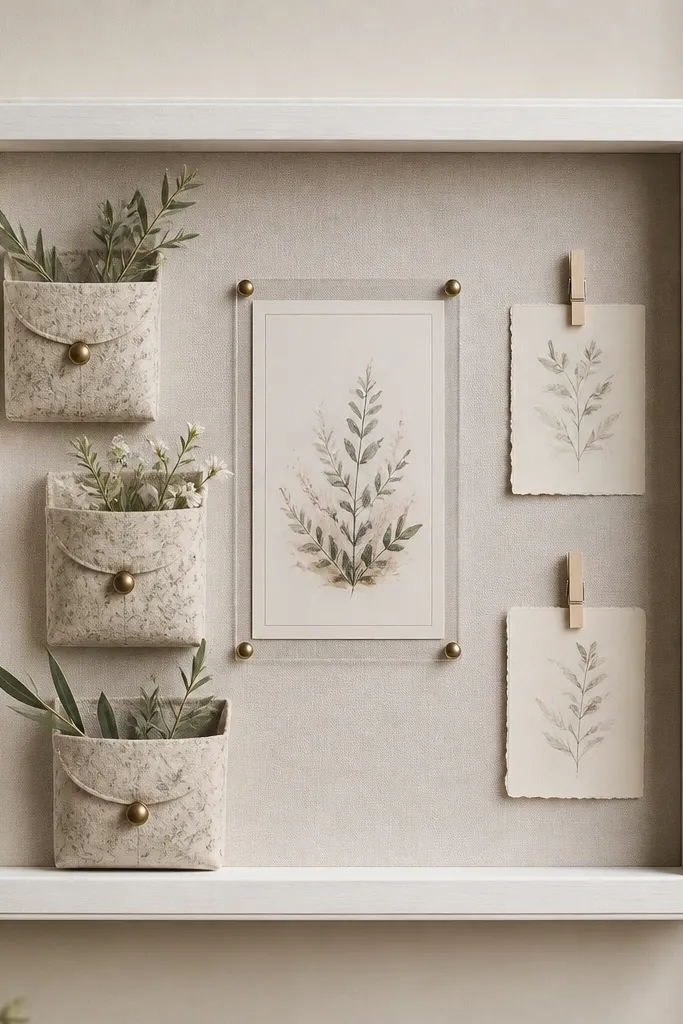
Use a 12x18 shadow box frame with a depth of at least 1.5 inches. Stitch or hot-glue three pockets from cotton canvas, spaced 1.5 inches apart vertically. Add a center scripture card behind a sheet of clear acrylic cut to fit the inside back.
A shadow box keeps everything contained, which matters in small space prayer board ideas. Glass or clear acrylic protects paper from dust and fingerprints. The fabric pockets make weekly requests feel organized, not scattered. The brass pulls catch light and add warmth without adding clutter.
Skip thisDon’t pack the pockets too tightly — paper should slide out with one finger.
Editor's noteLabel the pockets with small stitched tags like CURRENT and ANSWERED using off-white thread and a fine-tip fabric marker.
3. Magnetic fridge-style prayer board on a hinged cabinet door
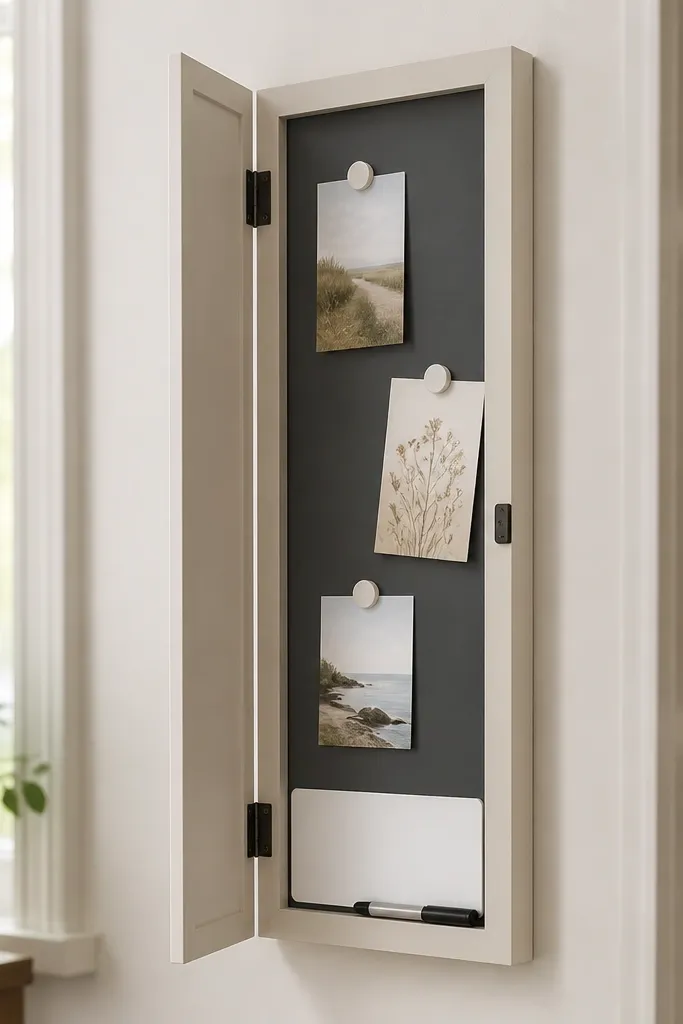
A cabinet door solves the “where do I store extras” problem. The magnetic sheet keeps cards clean and repositionable, which fits daily prayer. The hinge means you can swing it open like a mini altar and close it when guests walk by. Slate gray looks modern and calm.
Use a scrap cabinet door about 12x20 inches. Attach a magnetic sheet (thin magnetic metal or adhesive-backed magnetic film) to the inside panel. Add a small 12-inch strip of whiteboard at the bottom for today’s focus, then use strong magnets (the size of a dime) for cards.
Print cards with rounded corners and add a 1/8-inch white border so magnets don’t look like blobs.
Avoid weak magnets — if cards slide down, you’ll stop using it.
4. Mini pegboard prayer board with color-coded hooks
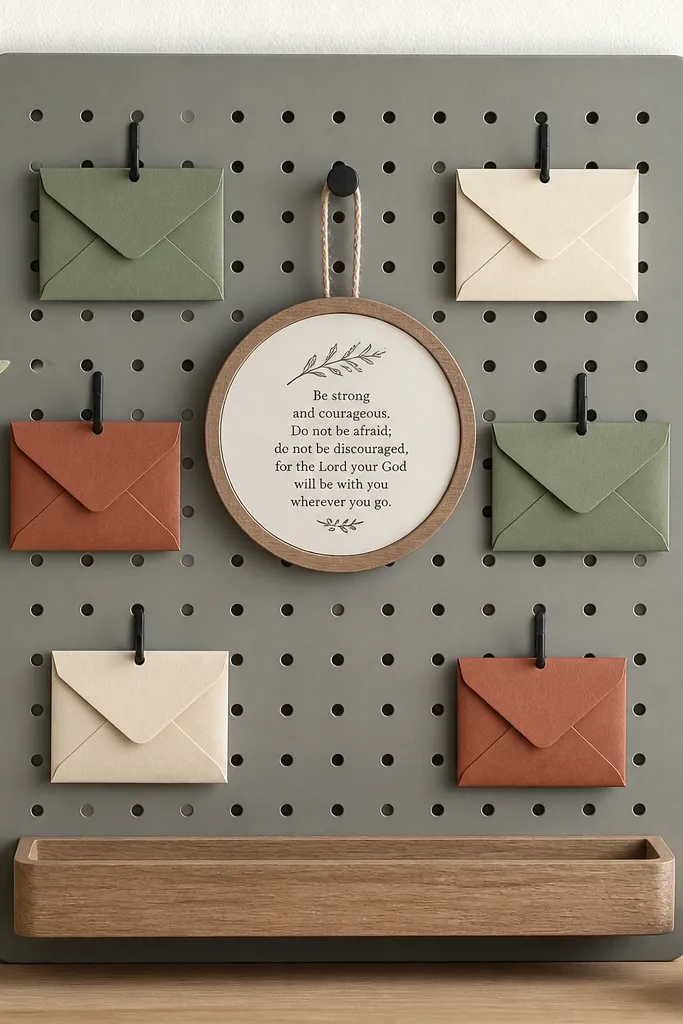
Buy a pre-cut pegboard panel or cut to size and paint it matte gray. Add hooks spaced 3 inches apart and keep the bottom tray flush with the edge using two small screws. Use mini envelopes (about 3x4.5 inches) with a small label window so you can see the category.
Pegboard gives you structure and lets you rearrange fast without measuring every time. Color-coded envelopes keep requests from turning into a messy pile. The wooden tray is where I keep extra pens and a few blank cards. The central circle makes the board feel like a focal point even in a tight spot.
Skip thisDon’t hang items too low — pegboard items start bumping when you walk past.
Editor's noteUse the same color for answered prayers every time so you can spot progress in seconds.
5. Fabric-covered foam board with clip-on prayer slips
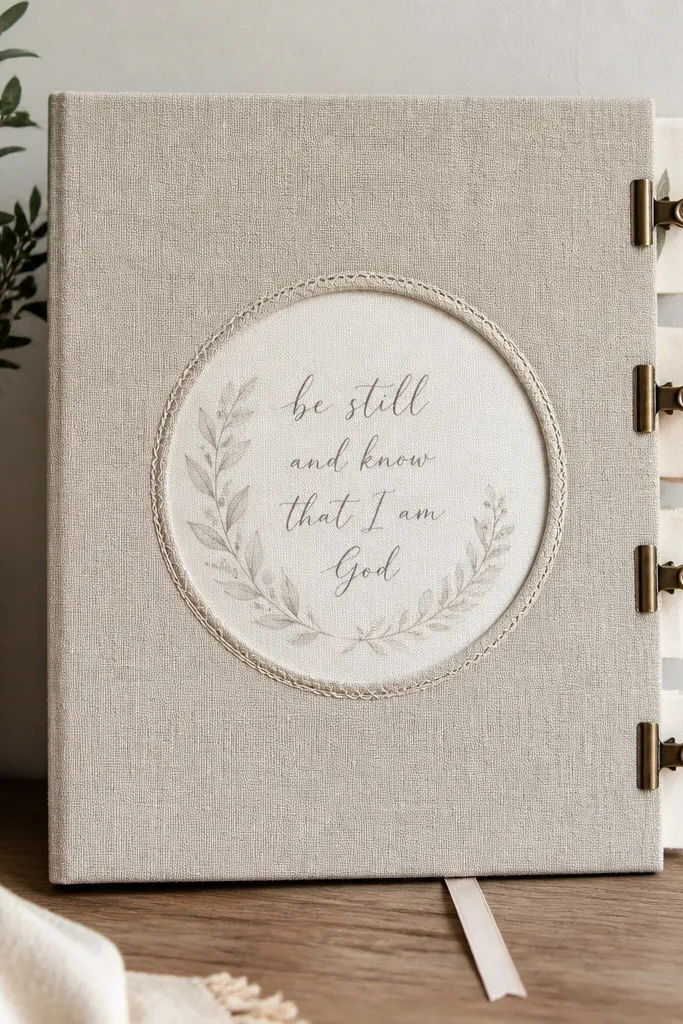
This is the easiest route for beginners: light, forgiving, and it looks soft. Linen hides imperfections in cuts and makes the board feel intentional. Clips let you swap prayers quickly without punching holes. The ribbon bookmark gives you a daily visual cue when you open your notes.
Stretch linen over a 1/2-inch foam board and staple on the back. Add a thin mat frame around the center using lightweight craft wood trim. Install 6 to 8 mini binder clips along one side and use folded slips cut to 2x4 inches.
Press your slips flat with a book for 10 minutes before clipping so they look crisp.
Skip glossy fabric — it reflects light and makes handwriting harder to read.
6. Wooden slat prayer board with clothespin rails
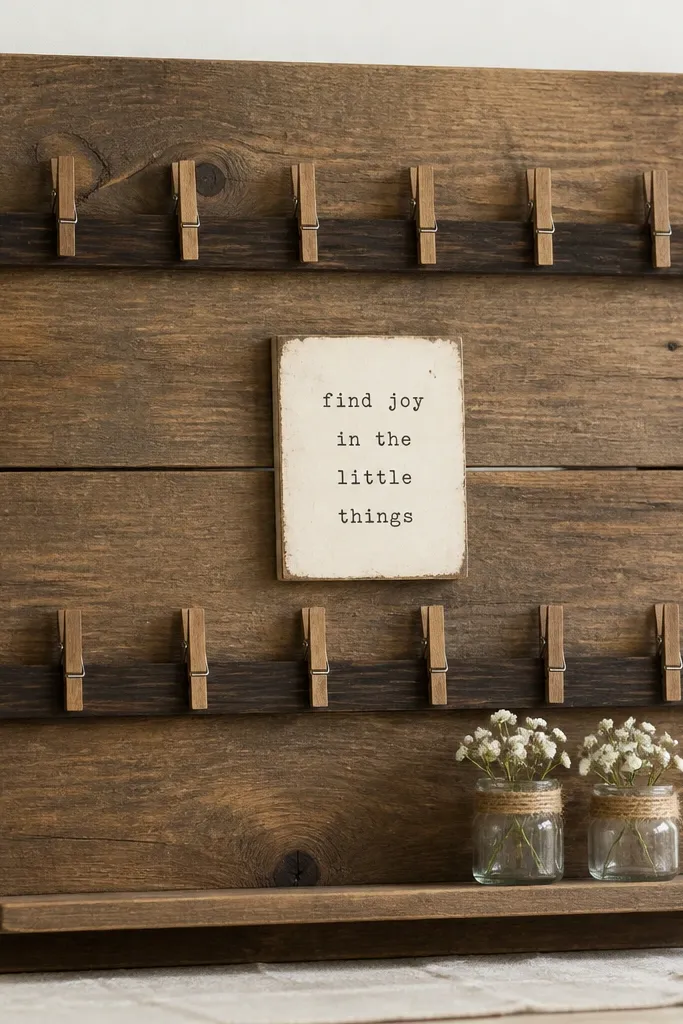
Use 1x2 slats cut to fit a 14x18 frame. Attach two clothespin rails made from thin wood strips, spaced 4 inches apart vertically. Finish with a matte clear coat so paper doesn’t slide. Add a bottom ledge shelf made from 1x3 trim for the jars.
Wood slats create depth without bulk, and clothespins make the board interactive. I like this style because it handles different paper sizes — you can pin a 3x5 card one day and a torn strip the next. The center sign anchors the look so it doesn’t feel like random clips. The tiny jars add a “use me” vibe.
Skip thisDon’t over-stain — dark stain makes small boards look heavy.
Editor's notePaint the clothespins a muted color like sage green so they match the cards.
7. Clear acrylic prayer board with back-printed verse and magnetic notes
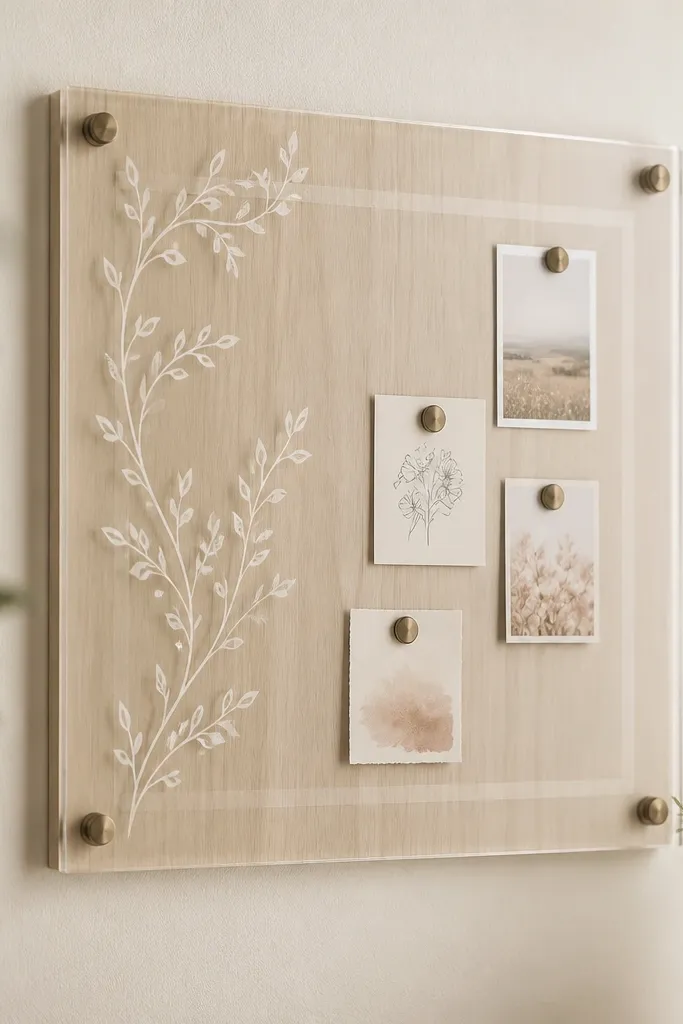
Cut acrylic to 11x17 inches and mount with standoff spacers so air can circulate behind it. Print the verse on white vinyl and apply it to the backing board, then place magnets through thin acrylic-safe mounting points or just mount on the backer with magnets attached to cards. Use 1-inch circle magnets behind each card corner.
Clear acrylic makes the board feel airy in a small space. Back-printed vinyl keeps the verse crisp and prevents ink smudging. Magnets keep cards easy to rearrange and it looks tidy because everything stays flat. This is one I built for a narrow hallway where I needed lightness.
Skip thisDon’t use thick magnets — they warp the acrylic edge over time.
Editor's noteUse thin cardstock (80 lb) so cards grip magnets without bulging.
8. Chalkboard prayer board with framed scripture window and pen tray
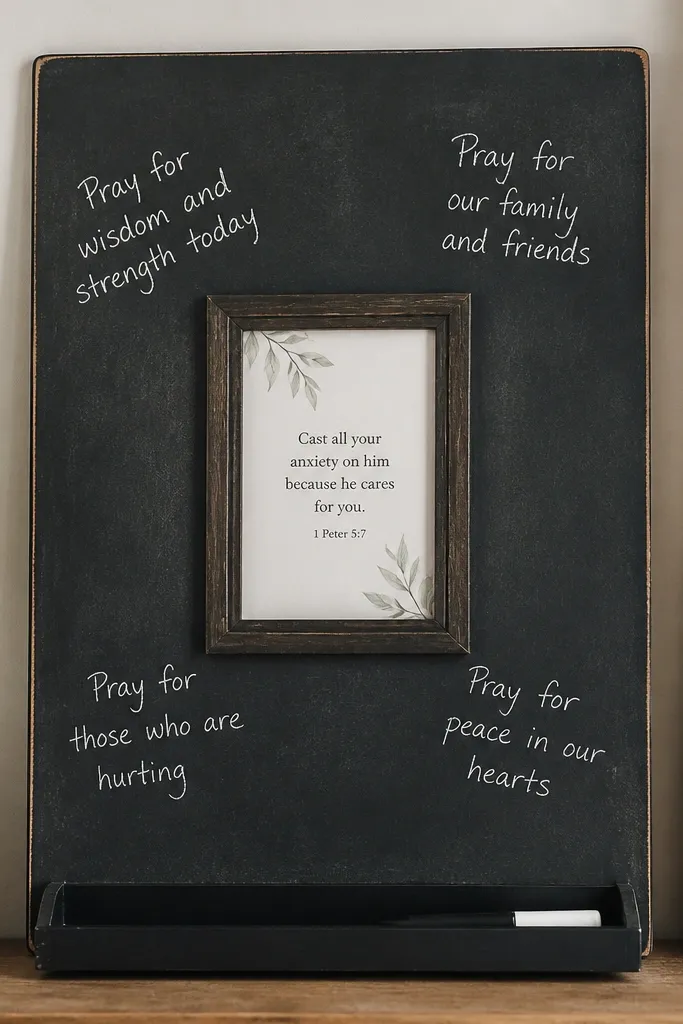
Paint a primed wood panel with chalkboard paint, then frame it with thin pine strips. Add a center frame opening by cutting a 6x8 inch rectangle and covering the back with a printed scripture card behind clear acrylic. Install a small metal pen tray with two screws at the bottom edge.
Chalkboard is forgiving when your prayer focus changes daily. The framed scripture window keeps your main verse readable even when you write around it. A pen tray means the board stays usable instead of turning into decoration. I like white chalk on black because it stands out instantly.
Skip thisDon’t use cheap chalk markers — they smear when you erase.
Editor's noteDust the board with a dry microfiber cloth before writing so chalk lines look smooth.
9. Cork roll-up prayer board in a drawer pull frame
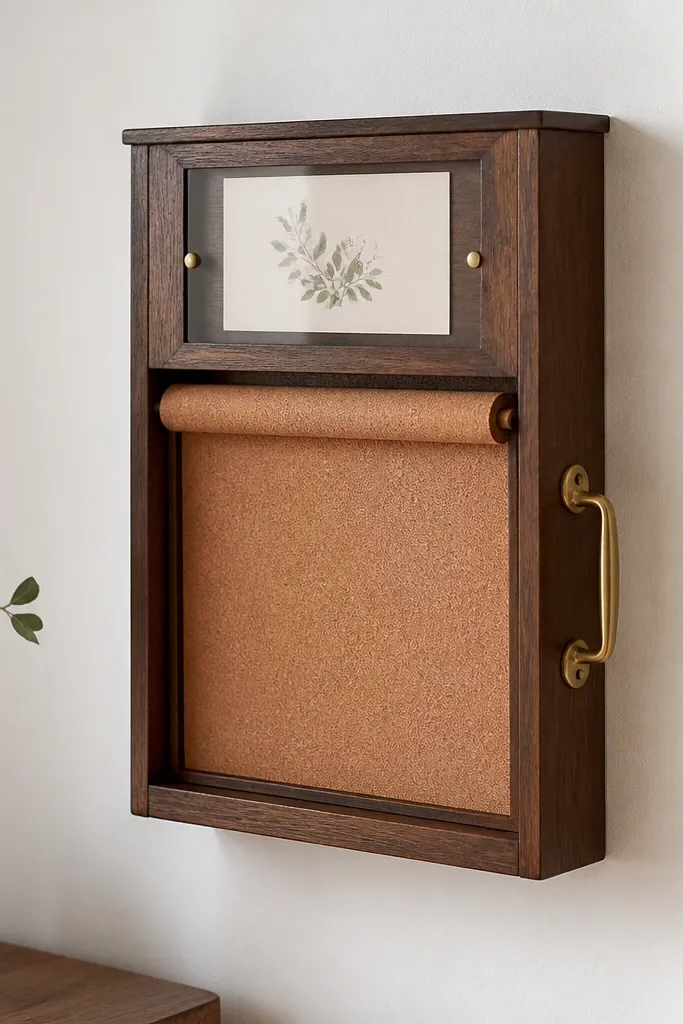
This style is perfect for small space prayer board ideas where you don’t want a board taking up visual space every day. You roll it up when you’re done, and you only leave the active section visible. Cork gives you easy pinning, and the brass handle looks tidy. The clear cover keeps your center verse protected.
Use a metal or wood frame around 10x14 inches. Mount a small dowel roller on the top and attach cork sheet to it with a strong adhesive. Install a bottom dowel to keep the cork flat when unrolled. Add a clear acrylic cover over a center verse card on the frame face.
Use small pushpins with short heads so they don’t snag when you roll up.
Don’t use thick cork — it won’t roll neatly.
10. Washi tape map-style prayer board with pinned pins and string lines
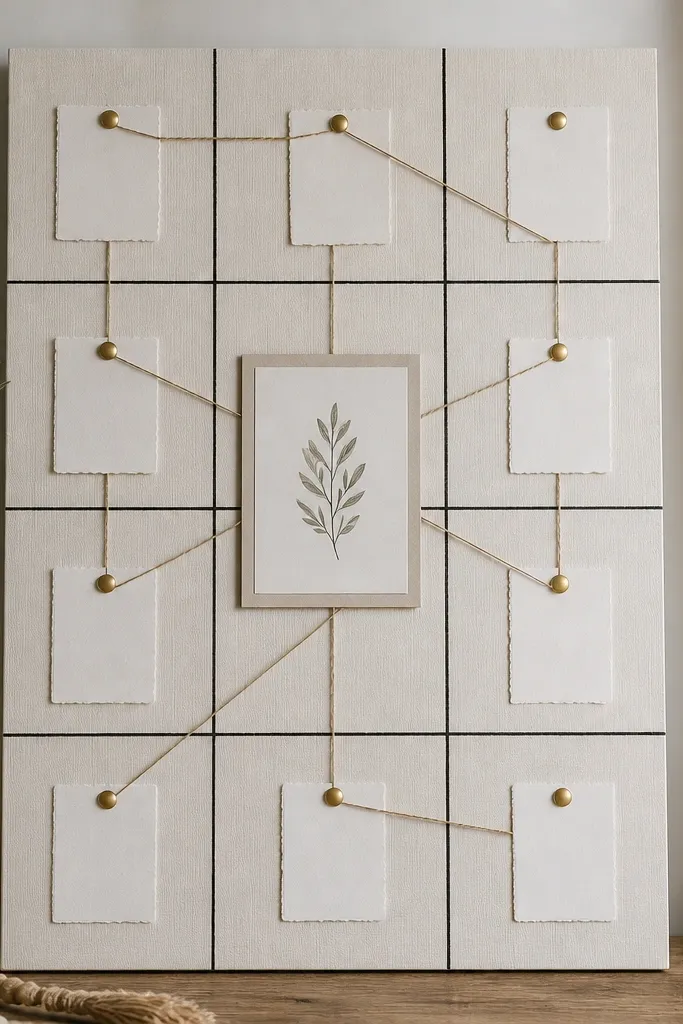
Cover a board with heavyweight cardstock, then lay down washitape strips at 2-inch spacing to form a grid. Use a 5x7 inch center frame for the verse card. Add jute string between pushpins only where you want a connection, and keep paths short so it doesn’t look chaotic.
This one looks like intentional design because the tape creates borders and structure. String lines let you link a person to a prayer theme without needing extra pockets. Pushpins add a tactile element, and gold accents keep it warm. I used black and gold tape so the board reads clean.
Skip thisAvoid too many tape colors — it makes a small board look busy fast.
Editor's noteWrite names on small kraft circles (1 inch) and pin them so you avoid messy handwriting on the main cards.
11. Bottle-cap magnet prayer board for tiny categories
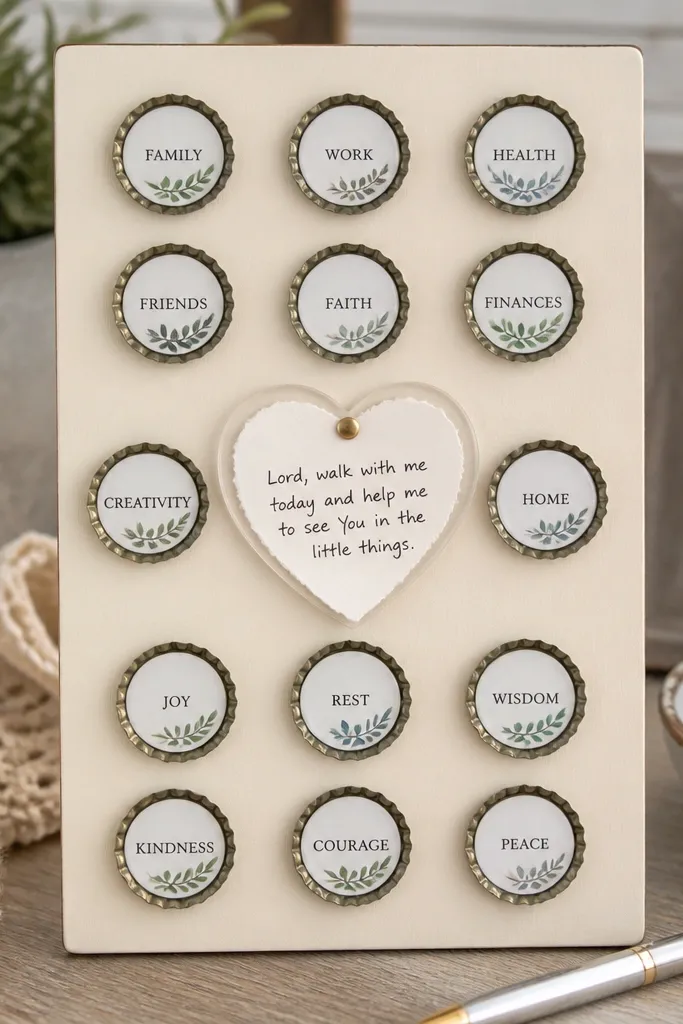
Bottle-cap magnets are small, lightweight, and they let you create categories without covering the whole board. The board stays clean because magnets keep everything flat. This style works when you want “tiny prompts” instead of long notes. I like it for bedrooms because it feels personal and not like a classroom bulletin board.
Paint a 10x16 wood panel matte cream. Glue magnets to the back of cleaned bottle caps, then insert mini printed labels cut to fit the cap. Arrange a 3x3 or 3x4 grid and leave the center for the heart prompt. Use an acrylic heart or small clear charm as the center centerpiece.
Add a small drop of clear epoxy over the label in each cap so it doesn’t peel.
Skip rusty bottle caps — they stain the magnet and look messy.
12. Magnetic strip prayer board with photo clip corners
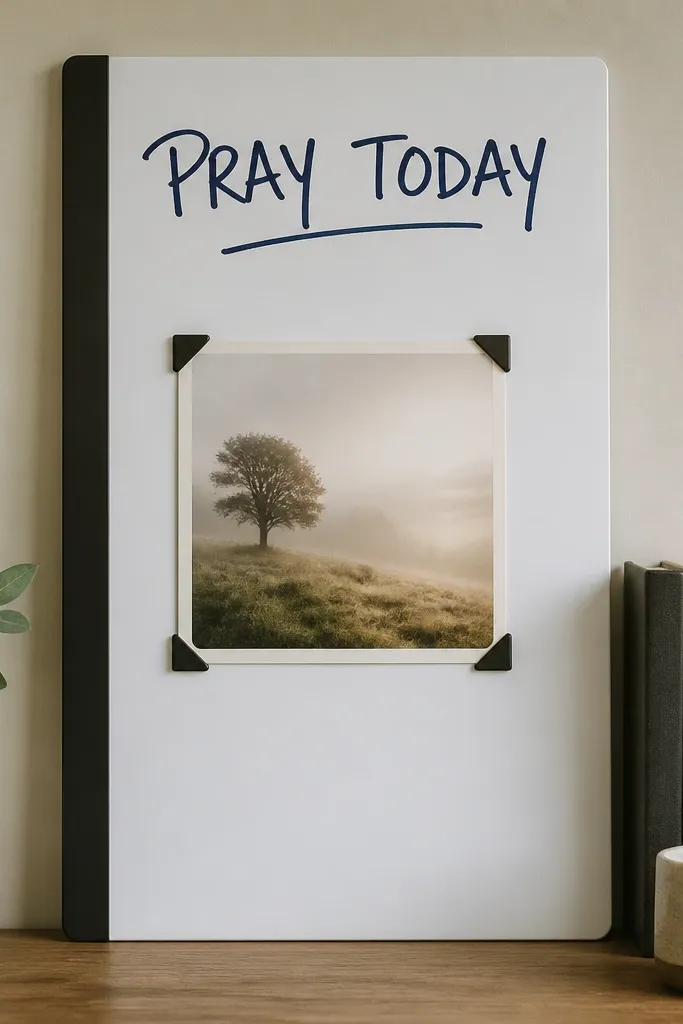
Attach a magnetic strip (about 1 inch wide) to the left edge of a painted board. Use small binder clips with photo clip hardware at the corners for the center card. Keep the center card size around 5x7 inches so it’s readable.
This is a clean, minimalist approach that still lets you interact. Magnetic strips are simple and cheap, and photo clips make swapping the center card fast. The corners frame your main verse without covering the whole board. It looks good even when you only change one or two cards per week.
Skip thisDon’t cram the magnetic strip with too many items — it becomes cluttered quickly.
Editor's noteUse a navy paint pen for labels and keep everything else in black so it looks intentional.
13. Book spine prayer board with ribbon bookmarks
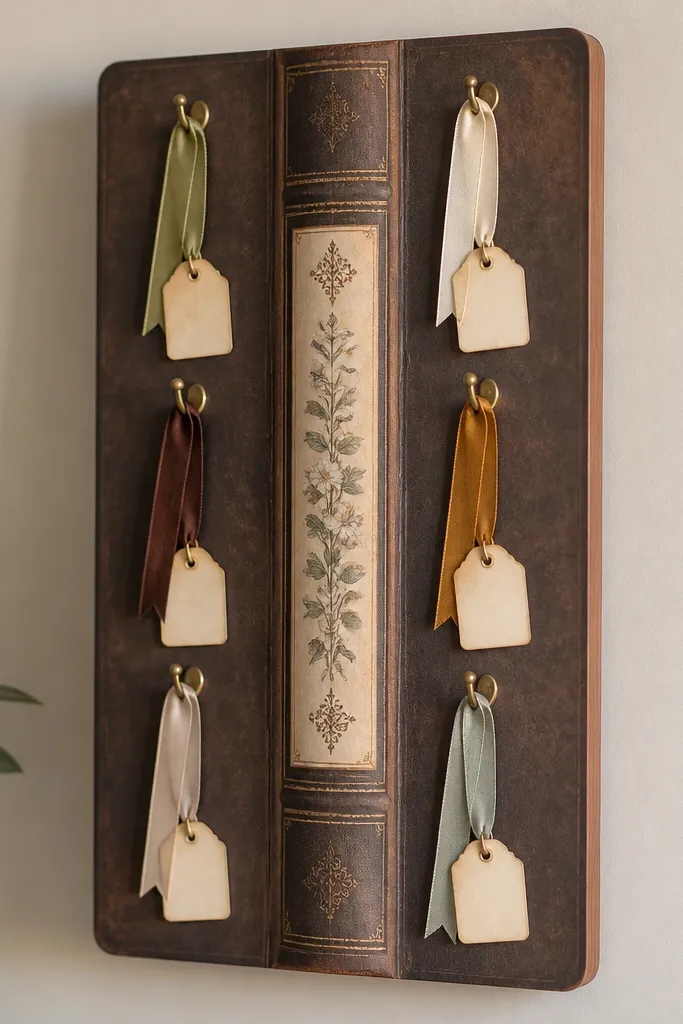
Cover a board with textured craft paper or linen. Create a spine strip (about 3 inches wide) and print or stencil a verse down it. Add 4 to 6 small hooks along the top edge and tie ribbon bookmarks (10-12 inches). Attach tags cut from cardstock with eyelets or tiny brads.
It’s clever for small space prayer board ideas because it creates a “theme” look without needing lots of supplies. Ribbons are easy to swap, and the tags let you see what each ribbon is for. The book-spine design gives you instant visual cohesion. I used muted gold hooks and cream ribbon so it looks like a keepsake.
Skip thisAvoid slippery ribbon — it slides off hooks and tangles.
Editor's noteUse satin ribbon for a smoother drape and cleaner look on camera.
14. Reclaimed picture frame prayer board with mesh for names
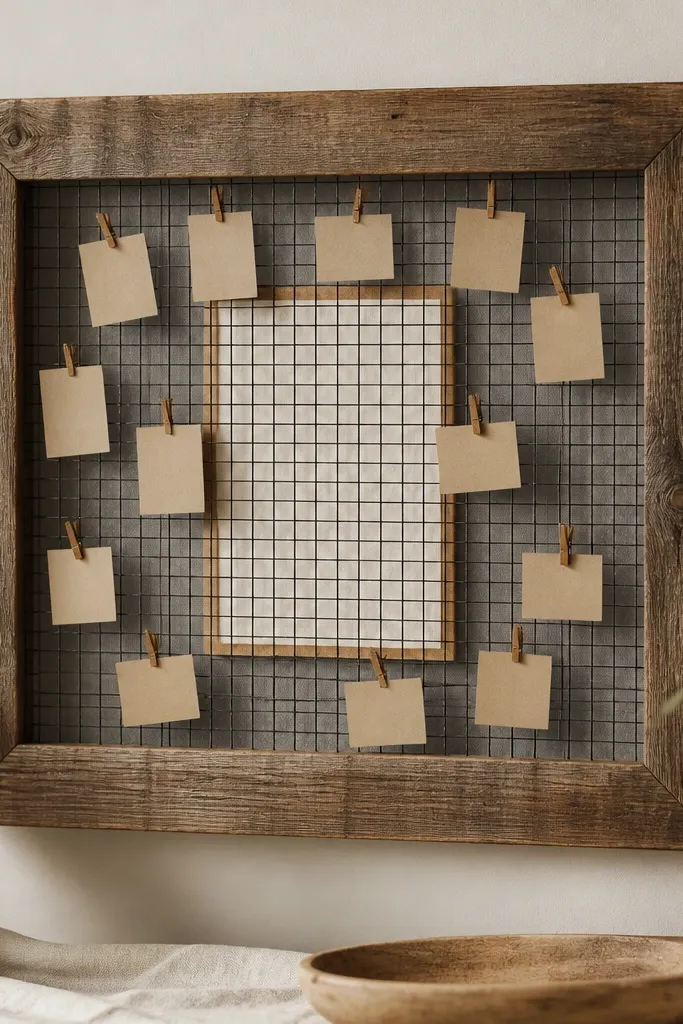
Use a frame with at least 1 inch depth. Stretch metal mesh across the back and staple it. Add a thin spacer board behind the mesh so the center verse card sits at a readable depth. Hang tabs on mini clothespins attached to the mesh.
Mesh makes it easy to hang lots of small items without a thick backing. The reclaimed frame keeps it warm and older-looking, which hides small DIY imperfections. Clothespins give you quick swaps and the kraft tags look clean. This is great when you want many short requests rather than long paragraphs.
Skip thisDon’t use flimsy mesh — it will sag and look cheap.
Editor's noteWrite on kraft tabs with a fine black marker and add a tiny underline in the accent color once per tab.
15. Linen bulletin board with gold pushpin stars
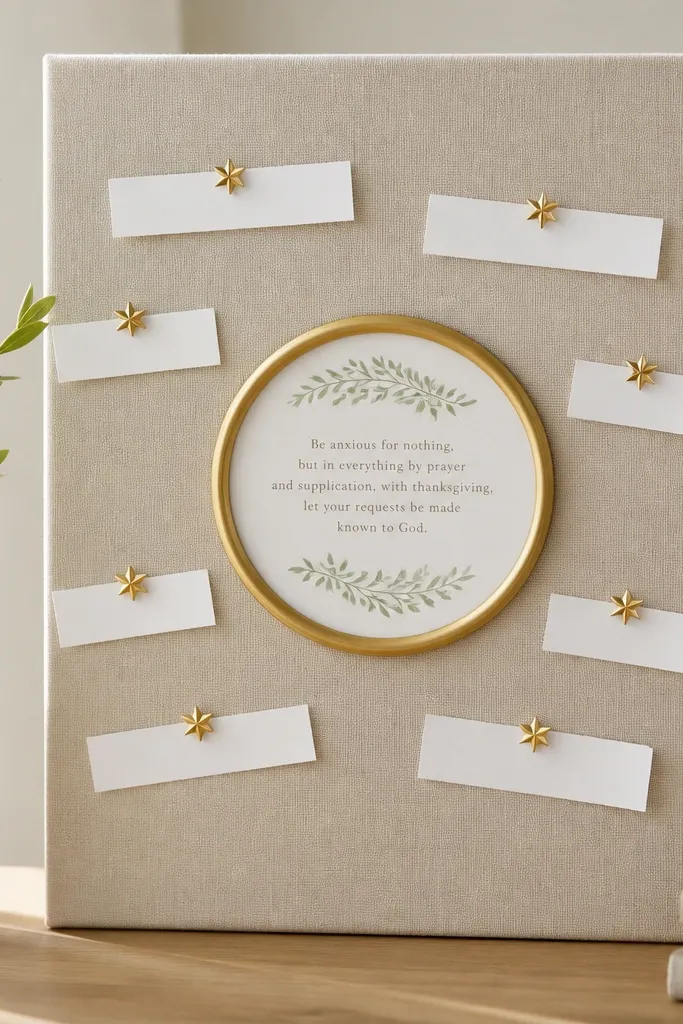
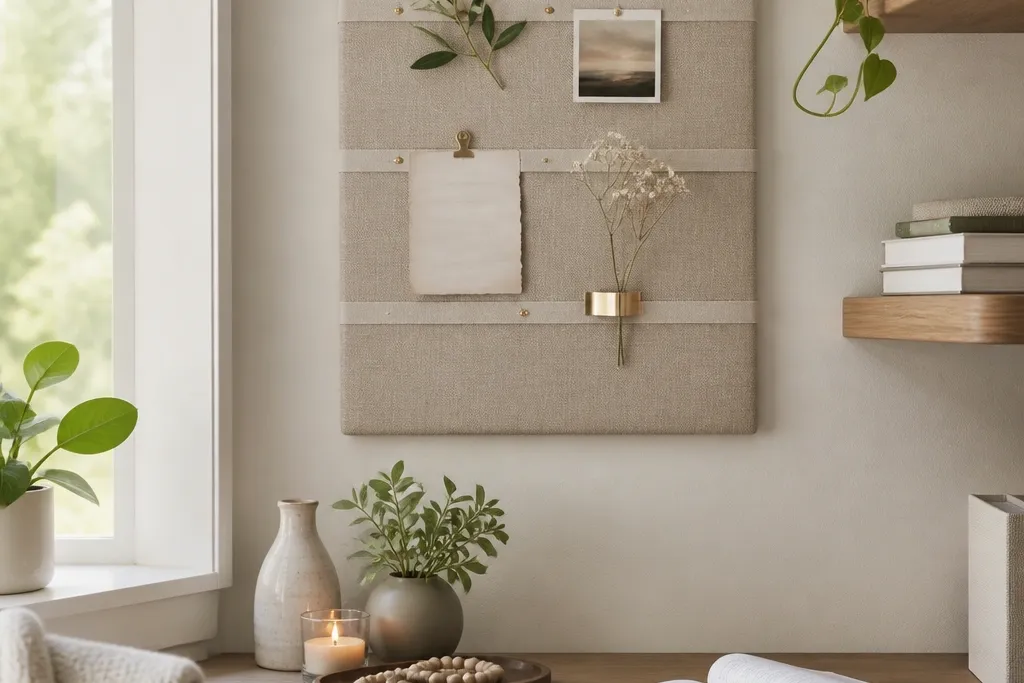
Linen makes the board look like decor even when it’s covered in notes. Star pushpins add a little joy and keep the board from feeling flat. The circular gold frame gives your eye a place to land. This is one I keep near my kitchen — it’s quick to update while cooking.
Wrap linen over foam board or thin plywood. Add a circular frame sticker or craft ring at the center and mount a printed verse behind clear acetate. Use star pushpins to attach slips cut to 2x3.5 inches. Keep slips in a consistent white or cream so the board stays calm.
Use a rubber mat under the board when pinning so you don’t dent the backing.
Skip patterned linen — it competes with the notes.
16. Wooden ladder prayer board with mini clip rungs
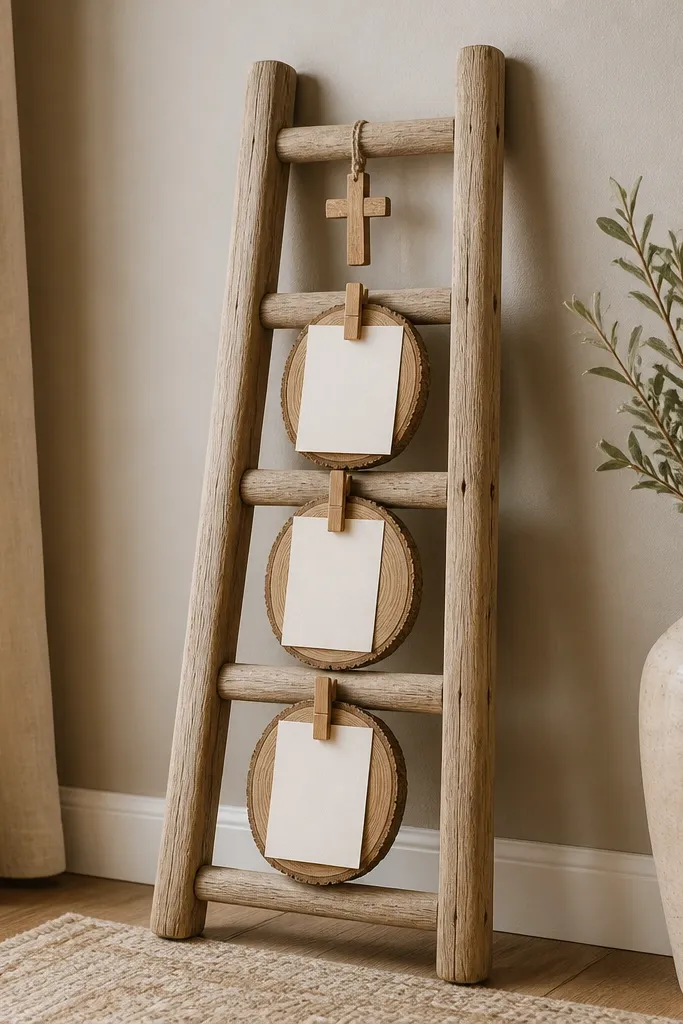
Build a ladder frame with two side rails and three rungs spaced 5 inches apart. Attach small clip rails to each rung using screws so clips don’t wobble. Use 4x6 cards and clip them onto small wooden clipboards. Add a small charm at the top for a center focal point.
A ladder shape turns your prayer board into a vertical system. Cards sit where your eyes land first, and you can treat each rung as a category. The mini clipboards make swapping quick without moving the whole board. I used warm oak stain so it looks like something you’d buy, not something you assembled.
Skip thisAvoid wobbly rung spacing — uneven cards look sloppy.
Editor's noteWrite one category per rung in uppercase on a small label so you don’t have to remember.
17. Tile prayer board with cork inserts and mini frames
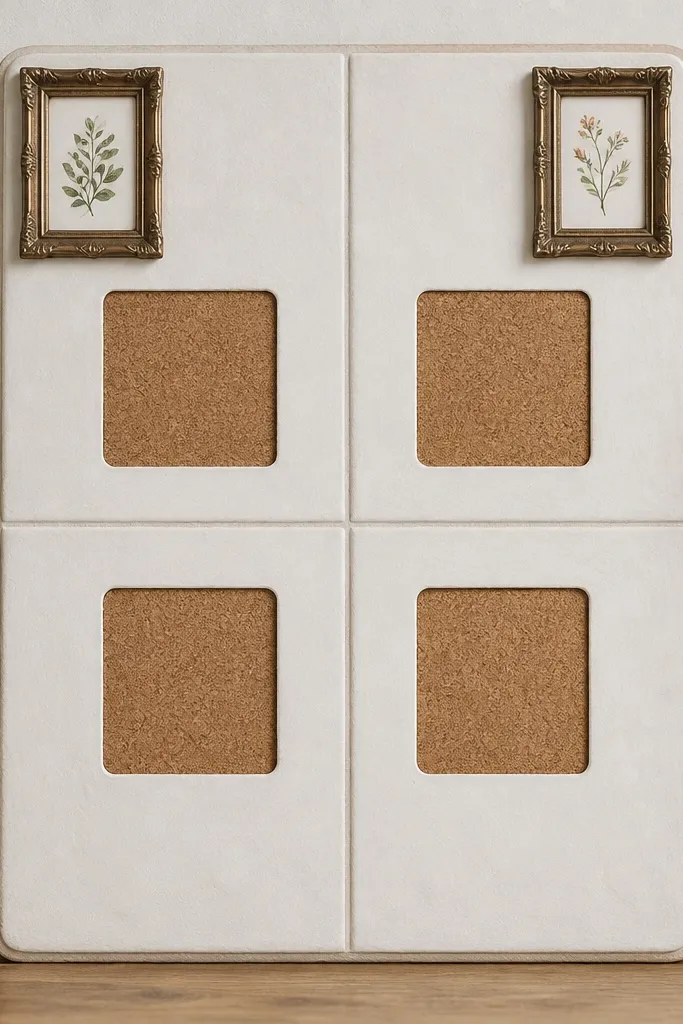
Use a base panel and glue tiles with thin-set adhesive or strong craft epoxy. Cut cork inserts to fit each tile space, then seal the cork edges with a clear matte sealer. Mount mini frames on top corners and insert printed scripture cards under clear acrylic.
Tiles look sturdy and clean, and cork inserts keep the interactive part soft. Mini frames give you clear “zones” without adding a lot of visual weight. This combo is great if you want a prayer board that looks durable and wipes clean easily. I built one for a bathroom-adjacent hallway because it needed to handle humidity.
Skip thisDon’t leave tile edges raw — they chip and make the board look unfinished.
Editor's noteSeal cork with two coats of matte polyurethane so it resists moisture.
18. Palette-wood prayer board with chalk labels and dowel hangers
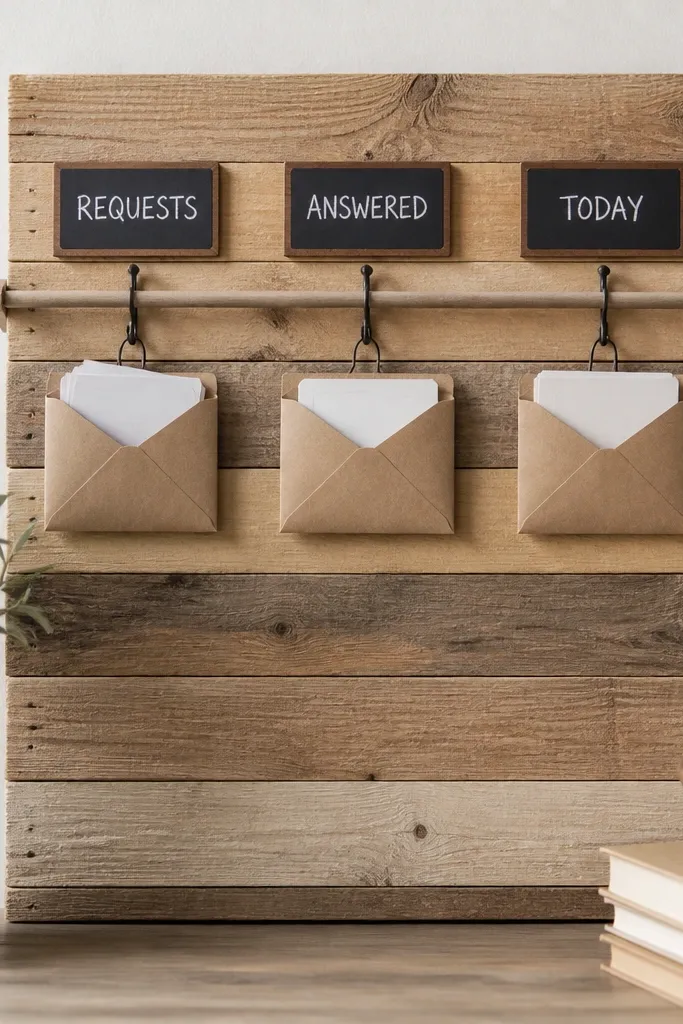
Sand palette wood down to remove splinters and seal with matte clear coat. Paint or stencil three small label rectangles in white chalkboard paint and let cure. Mount a 1/4-inch dowel across the top with two brackets, then hang mini envelopes with small cloth loops.
Palette wood adds texture and hides minor cuts, which is why I like it for DIY. Chalk labels keep the categories readable and easy to update. Hangers on a dowel let you swap envelopes quickly without punching holes. The dowel also acts like a visual header so the board looks intentional even when the notes change.
Skip thisSkip heavy varnish — glossy finish looks cheap and reflects light.
Editor's noteUse 3x5 envelopes and trim labels to fit the front so everything lines up.
19. Grocery list style prayer board with magnetic clipboard strip
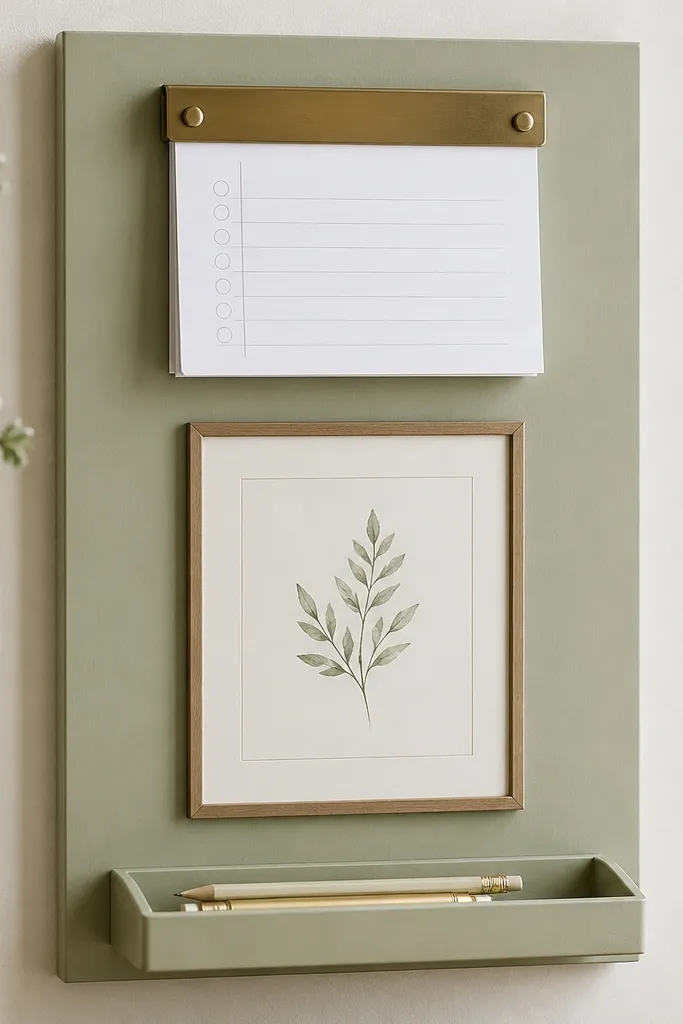
Paint a panel sage and attach a magnetic strip at the top. Use a simple clip board or binder clip hardware to hold a stack of cards. Print cards sized around 3x5 inches with categories and checkbox squares. Add a small tray at the bottom using a picture-frame ledge or a shallow metal dish.
Checklist format keeps prayers from feeling like a pile. A magnetic clipboard strip lets you add new cards without removing the whole system. The sage background makes the board feel calm and not harsh. I used tiny checklist boxes so each request has a clear “done/answered” moment.
Skip thisAvoid too many tiny fonts on cards — they turn into unreadable blobs.
Editor's noteWrite the main verse in a clean font on a printed card instead of chalk so it stays crisp.
20. Bamboo mat prayer board with ribbon-tied prayer tags
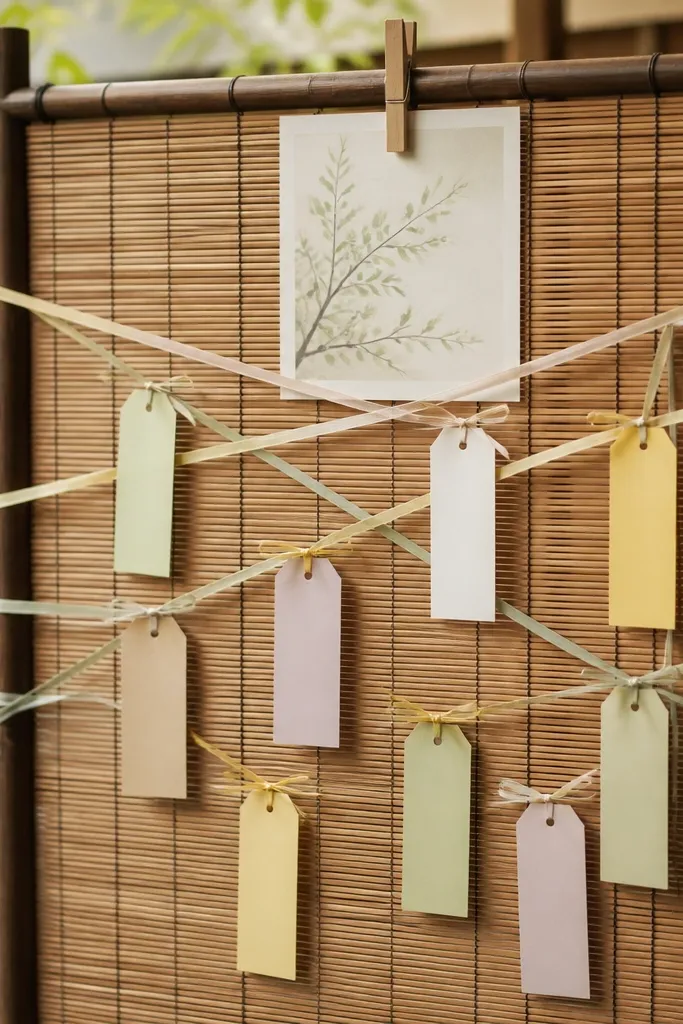
Frame a bamboo mat or woven rush mat and stretch it tight over a backing. Tie thin cotton ribbons at 2-inch intervals in a simple grid. Pin a center verse card at the top with a wooden clip, then tie 6 to 10 tags (2x3 inches) to the ribbon intersections.
Bamboo mat texture makes the board warm and natural. Ribbon ties let you swap tags without damaging paper. The crisscross ribbon gives structure so tags don’t look random. I used small bows because they look neat even when you’re in a hurry and tying one-handed.
Skip thisDon’t use thin, flimsy ribbon — it frays and looks messy fast.
Editor's noteUse tags cut from thick cardstock and punch a hole with a 1/8-inch hand punch for clean bow knots.
21. Apron pocket prayer board with mini envelopes and a top banner
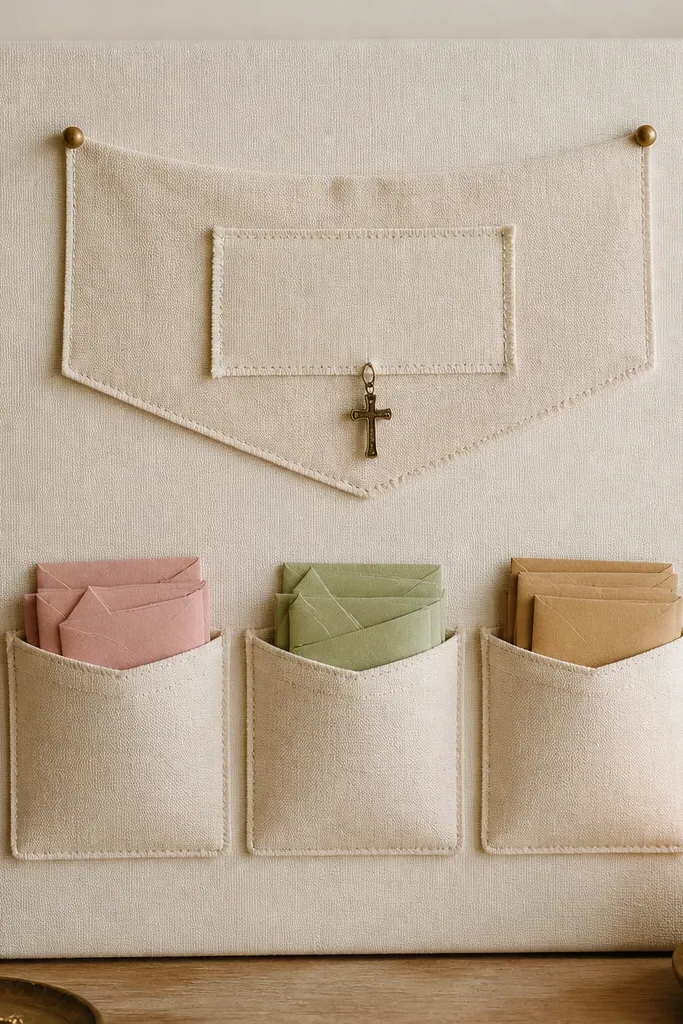
Sew or glue three fabric pockets onto a stretched base panel. Make pockets about 4 inches wide each, spaced evenly. Use mini envelopes and add a small label on each envelope flap. Attach a simple fabric banner at the top with a patch or stitched text.
Apron pockets are sturdy and hold envelopes without slipping. The top banner gives you an immediate theme so the board feels like a purposeful piece, not a pile of notes. Mini envelopes keep requests tidy, and pockets keep them hidden until you open the flap. This is a great option if you hate seeing writing all over the wall.
Skip thisDon’t use very thin fabric for pockets — it sags once envelopes are inside.
Editor's noteUse fabric glue sparingly and reinforce pocket corners with a few hand stitches so it doesn’t peel.
22. Wall-mounted picture rail prayer board with sliding mini frames
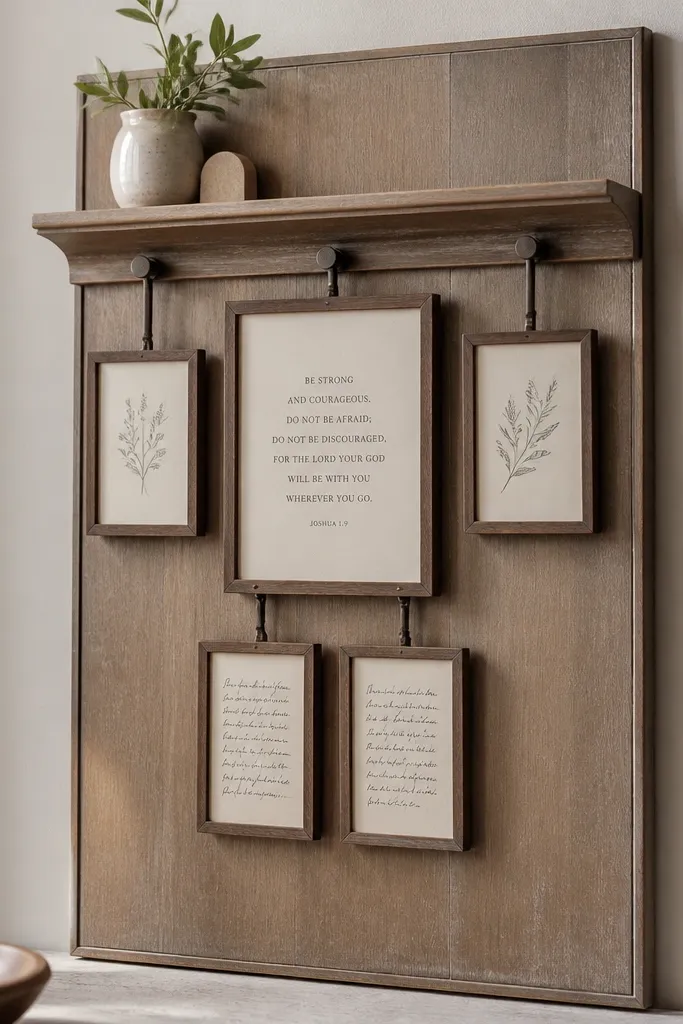
Install a picture rail on the top edge of a small board or on a wall-mounted backing. Use small frame hooks that slide on the rail. Keep the center frame at 5x7 and the smaller ones at 3.5x4.5. Use cream paper inside frames so the wall stays soft.
Picture rails make small boards feel like a gallery. Sliding frames let you change what’s visible without removing hardware. It’s quiet and neat — no pins, no magnets, no ripping. This style works when you like a clean look and you update weekly rather than daily.
Skip thisDon’t hang frames too close together — spacing is what makes it look designed.
Editor's noteUse archival photo corners to mount paper inside frames so edges stay flat.
23. Hand-painted prayer board with layered tissue paper flowers and notes
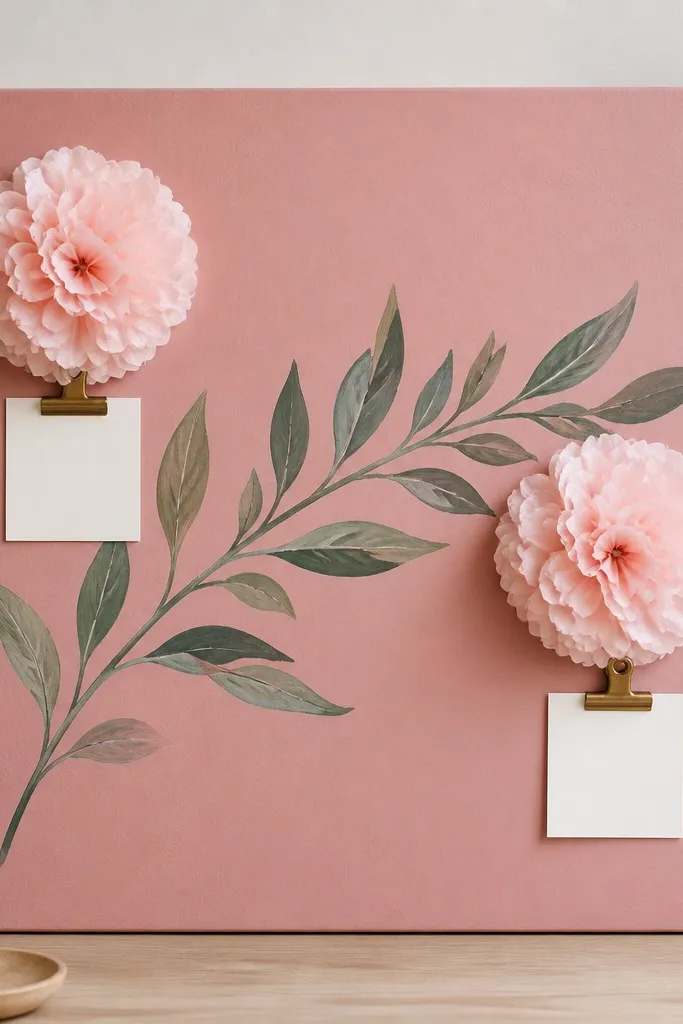
Painted backgrounds let you control the vibe, and the branch makes it feel personal instead of generic. Tissue paper flowers add texture without taking up much space, and brass clips keep notes visible. This works if you want your prayer board to feel more like art than a checklist. I used dusty rose because it softens the look of handwritten cards.
Prime a wood panel, paint dusty rose matte, and let cure fully. Add a sage branch using a liner brush and watered acrylic. Glue small tissue paper flower clusters and seal lightly with matte medium on the edges only. Pin cards using small brass clips attached with brads.
Use micro note cards (2x2.5 inches) so the flowers stay the main focus.
Skip heavy gloss medium on tissue — it makes the paper look shiny and cheap.
24. Felt prayer board with invisible pocket seam and flip tabs
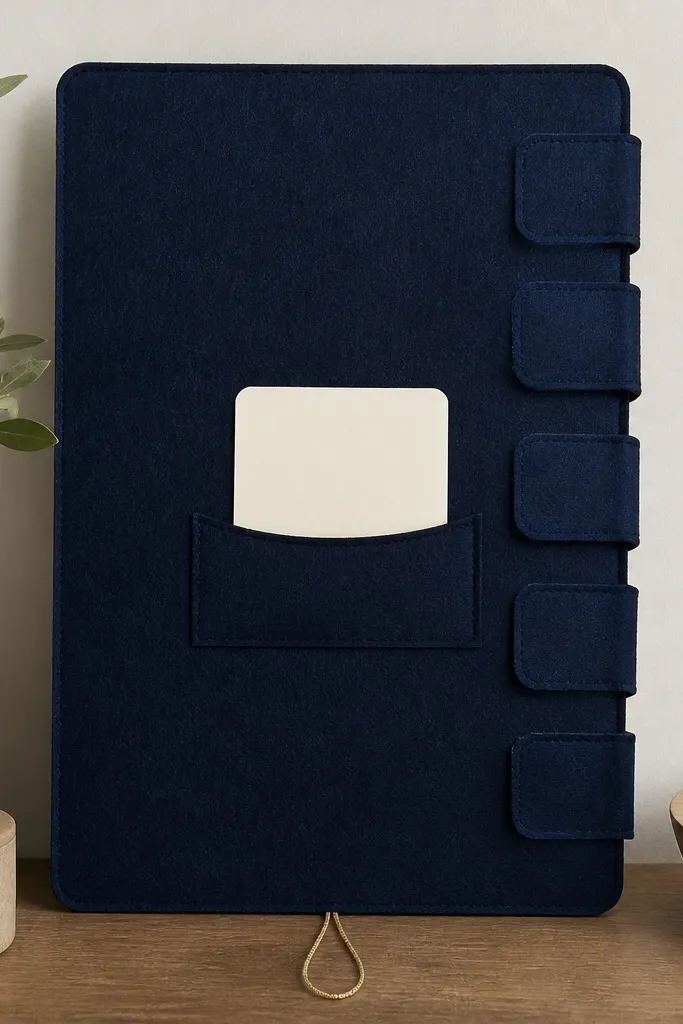
Felt is quiet and forgiving. Tabs made from felt hide the edges of cards so everything looks neat. Navy felt makes cream paper pop, and the flip tabs let you access notes without pins. I used gold cord because it ties into the hardware and keeps it from looking too dark.
Stretch felt over a board and staple on the back. Stitch a pocket seam in the center for a 5x7 verse card, leaving the top open for easy sliding. Add three flip tabs on the right using small hook-and-loop or a stitched hinge. Use cream cardstock cards sized to slide smoothly.
Cut felt with a rotary cutter for straight edges so the board looks shop-made.
Avoid thick felt layers — they make tabs bulky on small boards.
25. Kitchen towel prayer board with mini rod and clip notes
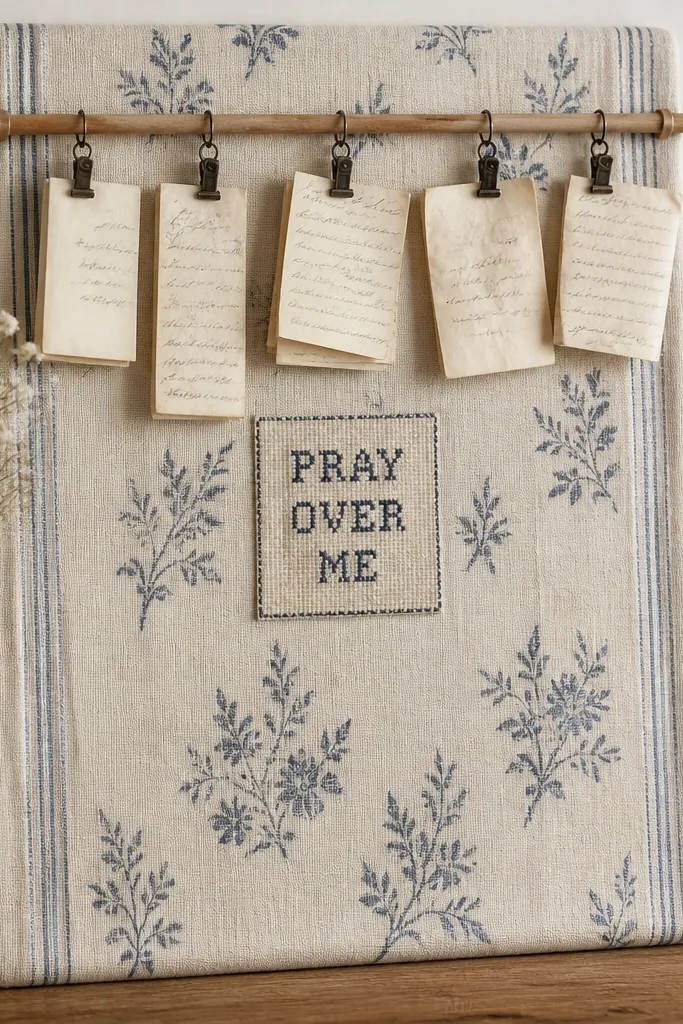
Stretch the towel over a board and fold edges neatly on the back, then staple. Mount a small wooden rod with two brackets near the top. Use clothespins or mini binder clips to hold folded notes. Add a stitched patch or fabric label at the center and secure with fabric glue plus a few hand stitches.
Using a kitchen towel turns your prayer board into something cozy and washable. Clips keep notes removable, and the towel fabric hides messy edges. This style works in kitchens where you want a prayer spot near cooking routines. I pick towels with a single-color border so the background stays calm.
Skip thisDon’t pick a towel with multiple competing patterns — it fights the notes.
Editor's noteWash the towel first and press it flat so wrinkles don’t look sloppy.
26. Thin wood panel prayer board with routed channels for cards
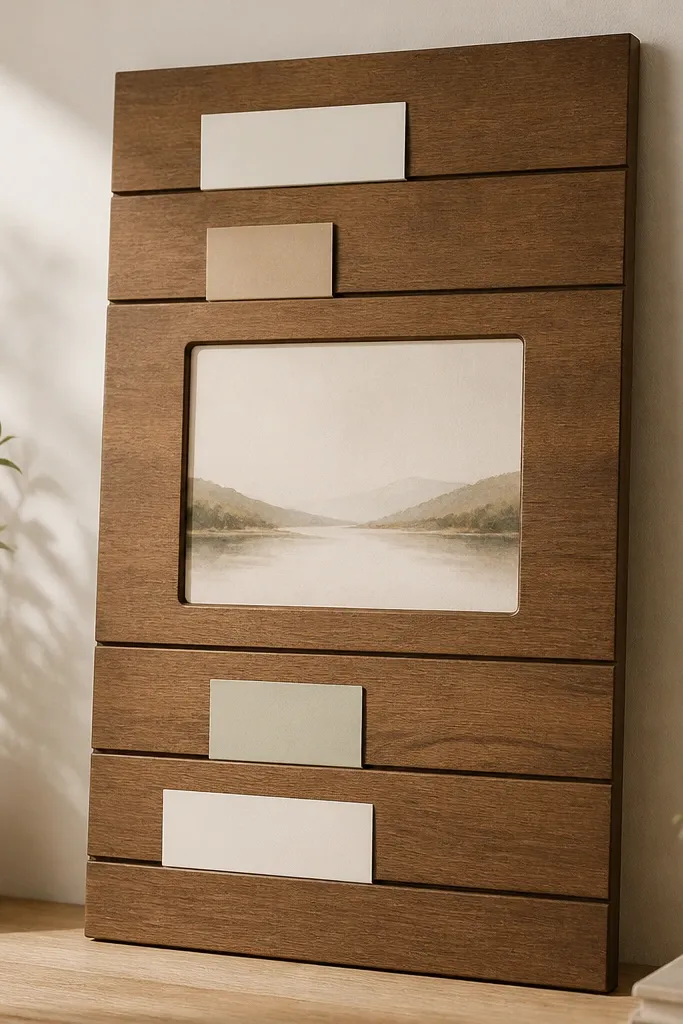
Routed channels keep cards aligned perfectly, which is the hardest part to get right in small space prayer board ideas. The board looks clean even when it’s filled. Sliding cards are faster than pins, and the channels prevent bending. I built this for a friend who hates clutter and wanted a sleek look.
Use a 1/2-inch thick wood panel and route three shallow channels about 1/2-inch wide. Stain mid-tone and finish with matte poly. Insert the verse card into a shallow routed rectangle in the center, then cover with a clear acrylic insert. Slide cards into channels sized to fit with a 1/16-inch clearance.
Cut cards from 80 lb cardstock so they slide smoothly without snagging.
Don’t make channels too deep — thick cards will stick out and look crowded.
27. Terracotta clay tile prayer board with cork strip and brass clips
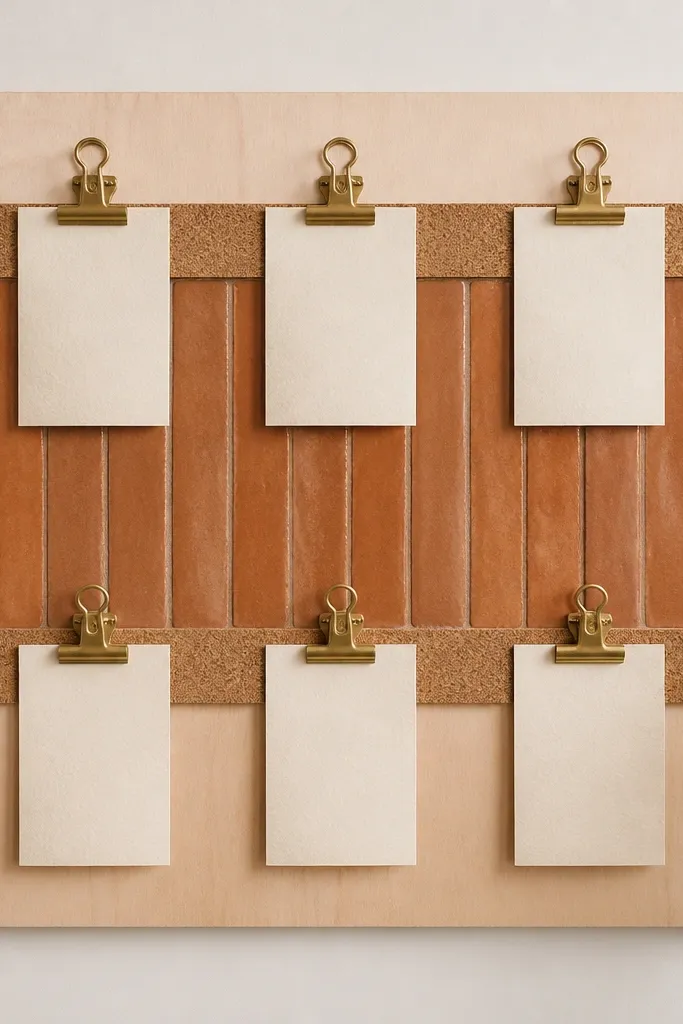
Glue a terracotta tile strip across the center (about 3 inches tall). Add cork strips on top and bottom edges, sealed with matte sealer. Mount brass binder clips on the cork so cards sit slightly above the cork surface. Use cream cards and keep them to 3x4 inches.
Terracotta adds warmth and makes the board feel grounded. Cork strips give you a practical place to clip cards while keeping the note area tidy. Brass clips look small and intentional, not like random office supplies. This is a style I used for a prayer board in a living room corner where I wanted it to match earthy decor.
Skip thisSkip big binder clips — they look bulky on small boards.
Editor's noteUse a fine-tip gold paint pen to draw tiny dots or lines on the card corners so it ties into the brass.
28. Upcycled magazine holder prayer board with clear pocket strips
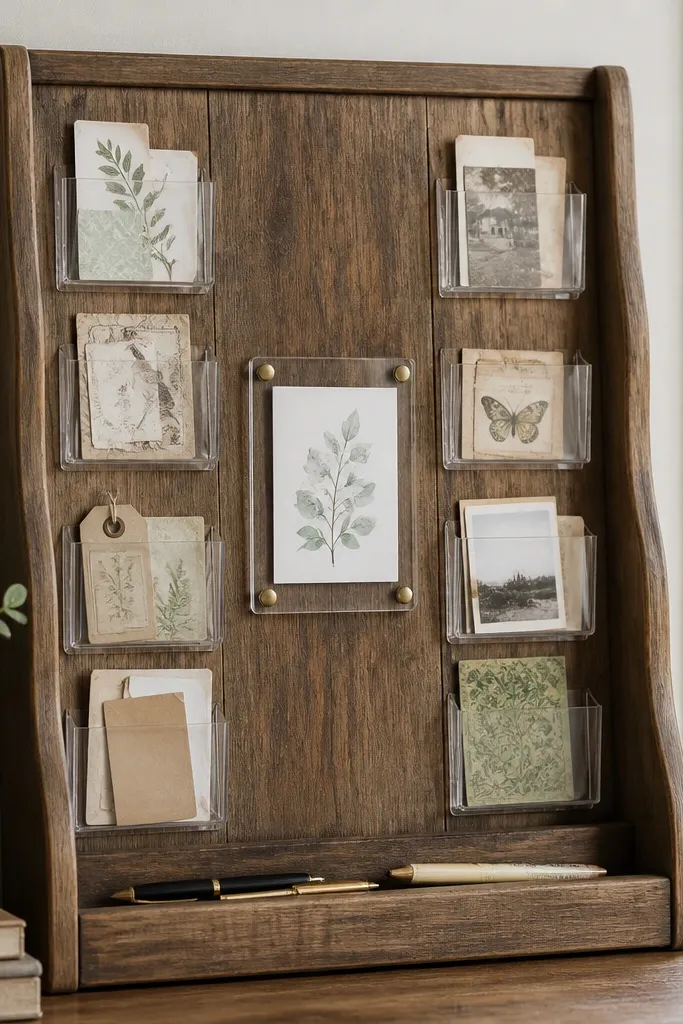
Magazine-holder hardware already has the right shape for holding paper neatly. Clear pockets keep the board looking tidy and protect cards from smudges. This style is great for people who want to store extra prayer cards on the board itself. The tray makes it functional, not just pretty.
Sand and seal the upcycled holder. Attach clear pocket strips (cut from clear report folder material) using small screws or strong adhesive strips. Place the verse card behind a clear acrylic cover in the center. Add a shallow tray at the bottom using a small wood ledge.
Label the pocket strips with small sticky tabs on the back so the front stays clean.
Don’t use cloudy plastic pockets — they make cards look dirty.
29. Matte black metal grid prayer board with mini peg pins
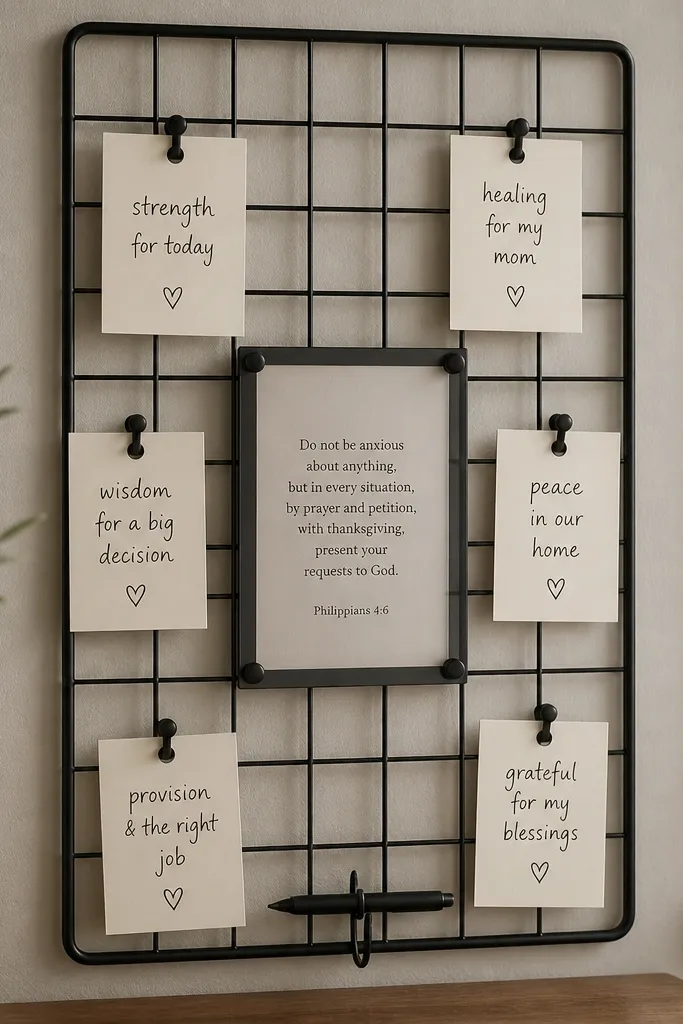
Use a pre-made wire grid panel or cut metal mesh to size. Paint with matte black spray paint and let cure 24 hours. Attach pegs or small binder clips to hold cards. Keep the center verse in a clear cover mounted with standoffs.
A metal grid makes the board look modern and lets you pin in multiple spots without tearing paper. Matte black hides small DIY marks, which helps when you’re building at home. Cards look crisp because the grid keeps them flat. This style works well in homes with black hardware or modern decor.
Skip thisAvoid shiny spray paint — it reflects light and makes handwriting harder to read.
Editor's noteUse 3x4.5 inch cards and round the corners for a polished look.
30. Whiteboard prayer board with magnetic verse frame and mini checklist
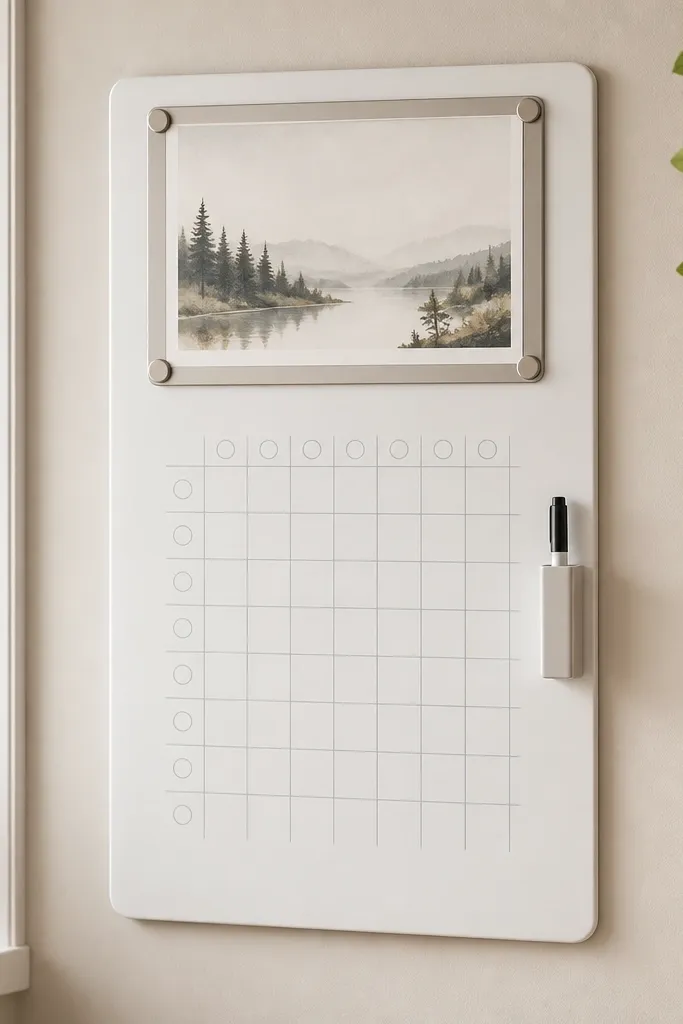
Whiteboard is the fastest way to keep a prayer board current without replacing paper every week. The magnetic verse frame keeps your main verse visible even when the rest is erased. I like the light gray checklist because it doesn’t look harsh like bright marker. This style is perfect for people who pray on the fly.
Mount a small whiteboard panel and attach a magnetic sheet behind the verse card frame. Draw a checklist grid with light gray marker and keep boxes large enough for quick ticks. Use a small magnetic pen holder and label categories with abbreviations like FAM, WORK, and HEALTH.
Use a thin dry-erase marker and clean the board with a microfiber cloth to keep lines sharp.
Don’t write tiny — small boards punish cramped handwriting.