
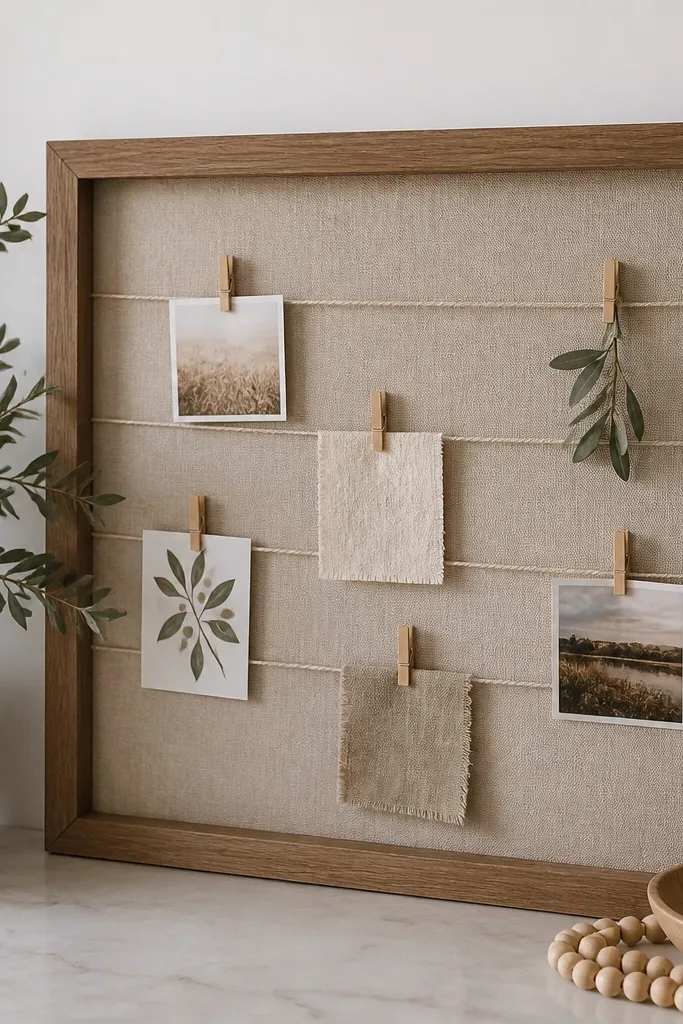
1. Clear-Frame Prayer Board with Sleeve Inserts
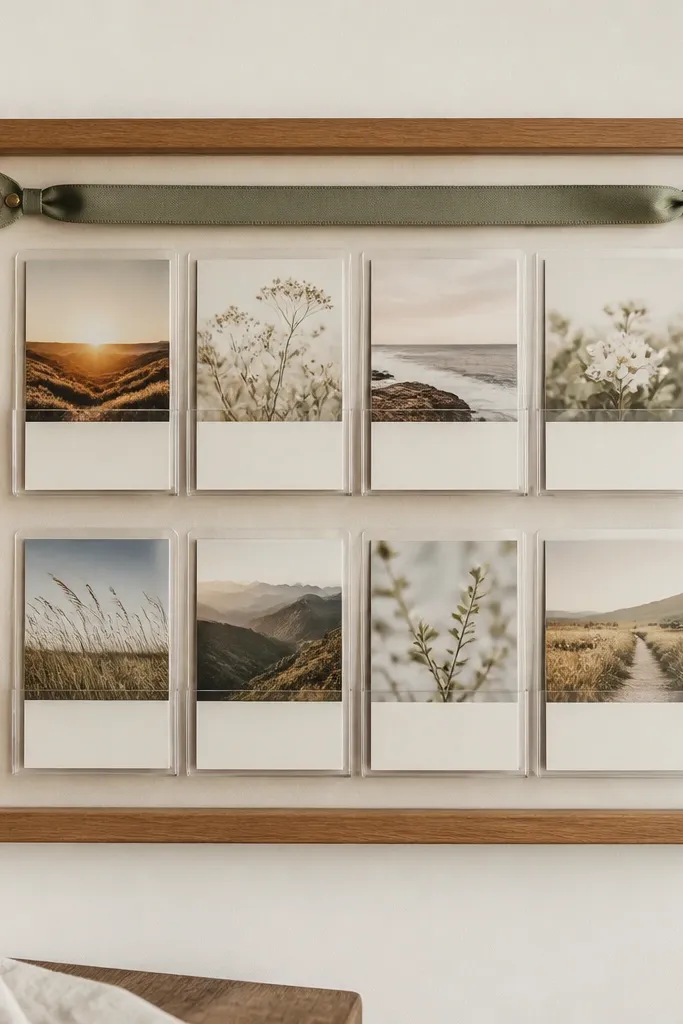
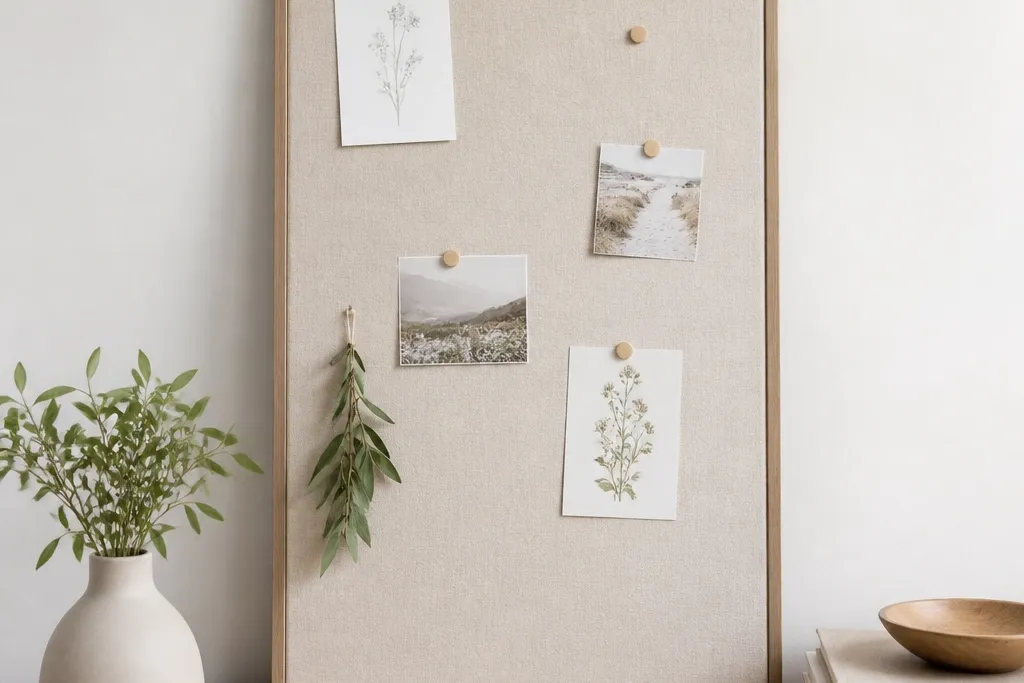
This works because the text is protected from air and dust by the clear cover, so it stays crisp. The acrylic sleeves let you swap cards without re-gluing anything. I like dark navy or black text on off-white paper so the board reads clearly even under warm indoor lighting. The frame makes it look like real decor instead of a craft project.
Use a 16x20 inch wood picture frame with a removable backing. Cut a piece of clear report cover or PET sheet to fit the opening, then place it over your printed cards. Add 2-3 acrylic sleeve strips (each about 4 inches wide) so you can slide cards in and out. Keep the fixed section at the top and the swap prompts below.
Editor's notePrint your main “weekly focus” in a larger font size (at least 20 pt) and keep the swap cards in 12-14 pt so you can read from across the room.
Skip thisAvoid leaving printed paper directly under open air without a clear cover — it curls and looks rough fast.
2. Sealed Wood Board with Chalk Marker and Wipe Cloth
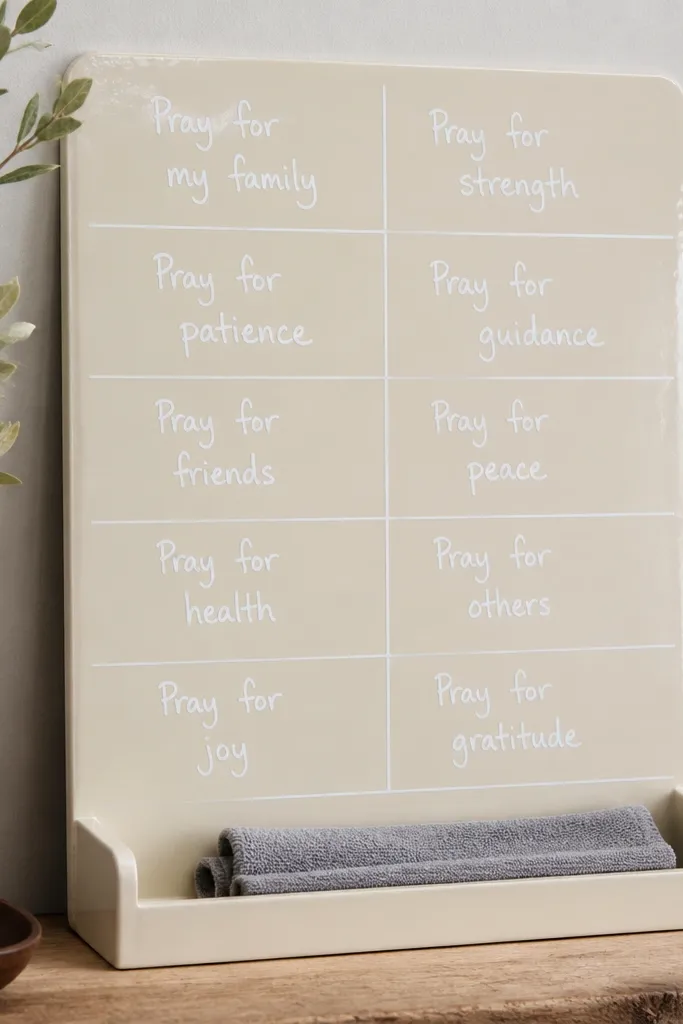
Writing directly is low maintenance because there’s nothing to clip or glue. A sealed, smooth surface keeps chalk marker lines from soaking in and fading. I use white or light gray chalk marker on cream, then add one accent line in deep teal. When you wipe it clean, the board looks neat again — no leftover tape residue.
Sand a piece of 1/2 inch plywood or MDF lightly, then paint with matte craft paint and seal with a clear polyurethane topcoat. Use a ruler to draw a simple grid in pencil, then write with chalk marker. Mount it with two picture hooks so it hangs flat. Keep the cloth in a small wall pocket or slim ledge.
Use painter’s tape to mask straight lines while you write, then remove it right after finishing the line.
Skip glossy paint — chalk marker smears on slick finishes unless the surface is sealed correctly.
3. Cork Board with Fabric Tabs and Index Cards
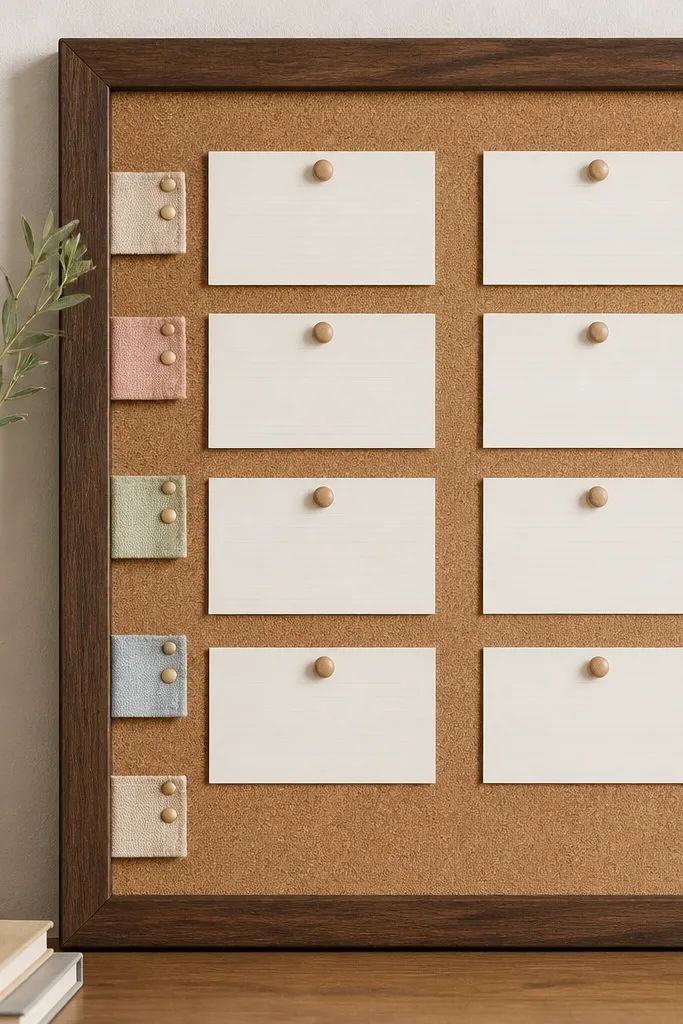
Cork is naturally forgiving and easy for quick swaps. Fabric tabs make it look organized and intentional, even when you’re updating the cards. I like using index cards because they’re sturdy, cheap, and easy to cut into half-cards. The board stays low maintenance because you’re only pinning and unpinning, not reassembling pieces.
Buy a 12x18 inch corkboard panel and mount it into a simple frame. Cut fabric strips about 2 inches wide and pin them in a vertical column for labels. Use push pins to attach index cards; leave at least 1/2 inch spacing between pins so cards don’t tear. Write topics like “Family,” “Health,” “Gratitude” with a fine-tip black pen.
Editor's noteMake one “blank swap” card with a thick underline so you can write new requests quickly without hunting for supplies.
Skip thisDon’t cram cards edge-to-edge; the cork dents and the board looks messy after a few changes.
4. Magnetic Tin Prayer Board with Dry-Erase Panels
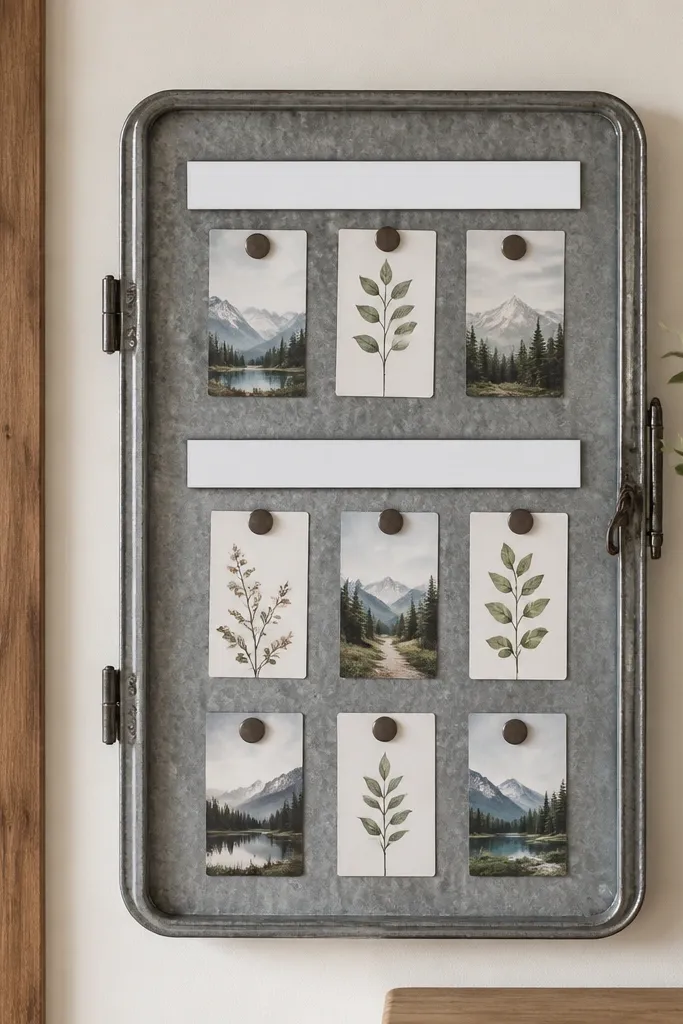
Metal plus magnets means you can rearrange everything in seconds. Dry-erase strips keep your weekly plan readable without paper curling. I’ve used this setup in kitchens and entryways because it survives humidity better than cardstock alone. The look is industrial but warm when you add a fabric ribbon at the top.
Use a small galvanized sheet or a metal tray (about 12x18 inches). Add two dry-erase strips (or a single strip cut to size) with adhesive backing. Print scripture cards on thicker paper and attach with small round magnets. Mount with hooks so the board sits slightly above eye level.
Editor's notePick one font style for all printed cards, then write only short updates in dry-erase so the board stays tidy.
Skip thisAvoid super-cheap magnets that leave scratches and chips — they make the metal look worn quickly.
5. Waterproof Laminated Prayer Cards on Command Clips
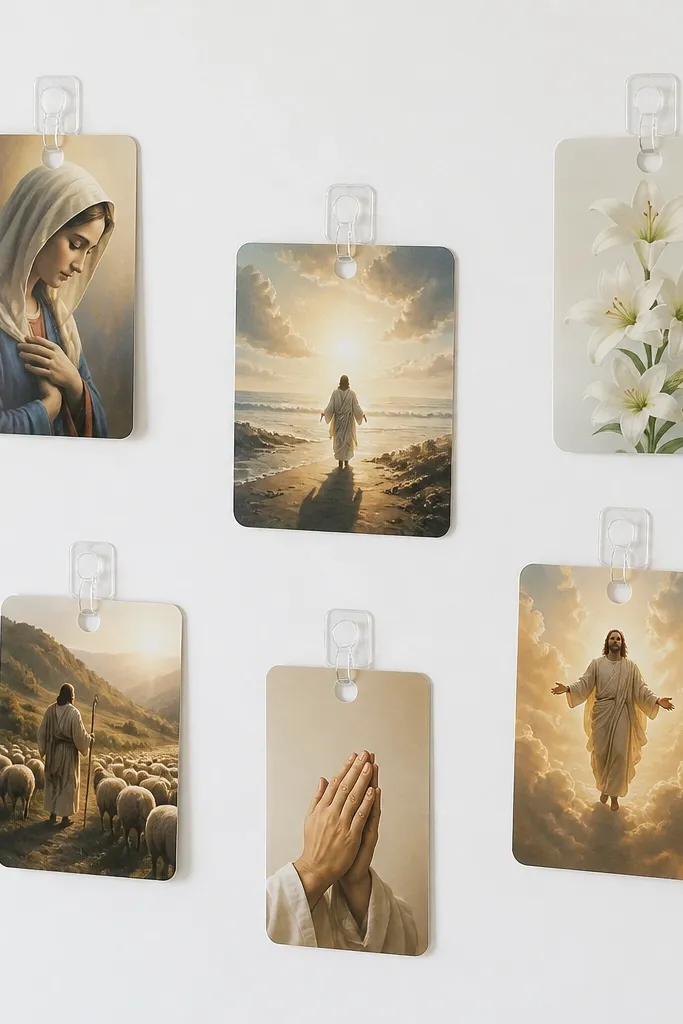
Laminated cards are the lowest-effort option when you want to update often. Clear waterproof laminate means the card edges never fuzzy up, and you can wipe smudges off. Command clips let you remove and reposition without drilling. The board looks clean because you’re only showing the cards, not messy backing materials.
Use a 11x14 inch foam board or painted MDF panel. Laminate prayer cards (or use self-laminating sheets) with rounded corners. Install Command picture clips in a vertical line, then clip each card. Keep the spacing about 2 inches apart so titles stay readable.
Editor's notePunch a 1/4 inch hole at the top center of each card so the clip grips evenly and doesn’t tilt.
Skip thisSkip unlaminated paper if the board sits near a window — glare and humidity wreck it.
6. Wood Slat Prayer Board with Clothespin Swaps
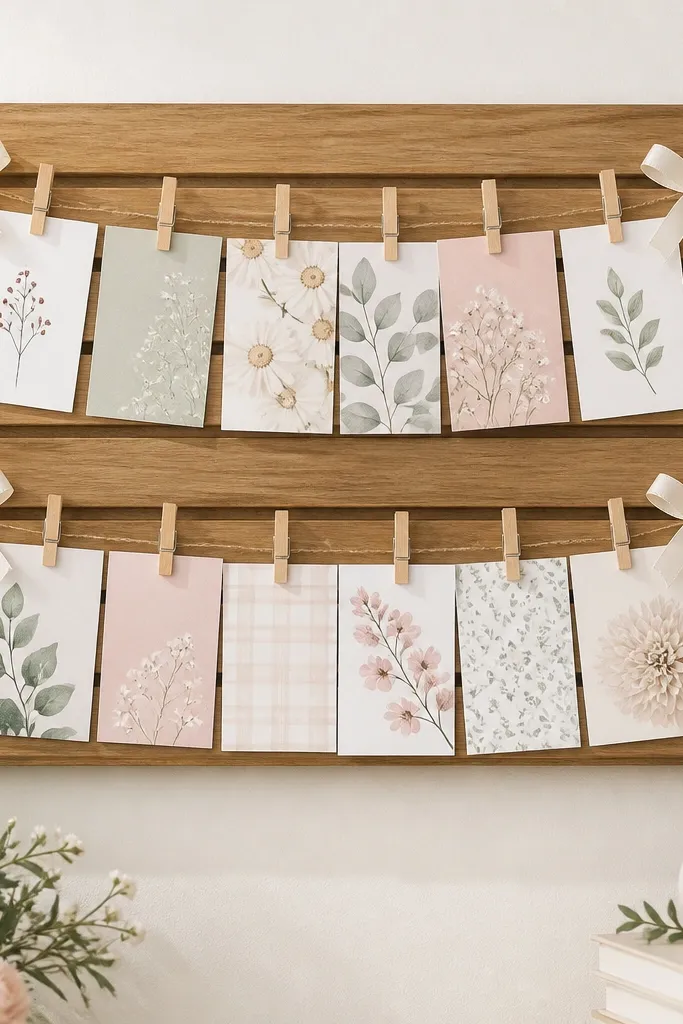
Clothespins make swapping fast and satisfying. The slats give you natural spacing so cards don’t overlap. I like using mini cards printed on thick cardstock because they look crisp and don’t bend. This setup is low maintenance because the only “change” is clipping new cards on.
Use a 1x6 inch wood board cut to about 18 inches long and paint it a soft off-white. Attach two rows of small command hooks or screw-in slat brackets to hold the clothespins. Clip 3x5 inch cards with a thin ribbon tied at the top for a softer look. Add a simple felt strip behind the pins to catch shadows.
Spray the clothespins with a matte clear coat so they stop looking shiny and cheap over time.
Don’t use flimsy wire clothespins; they bend and your cards start hanging crooked.
7. Ring Binder Prayer Board with Clear Pages
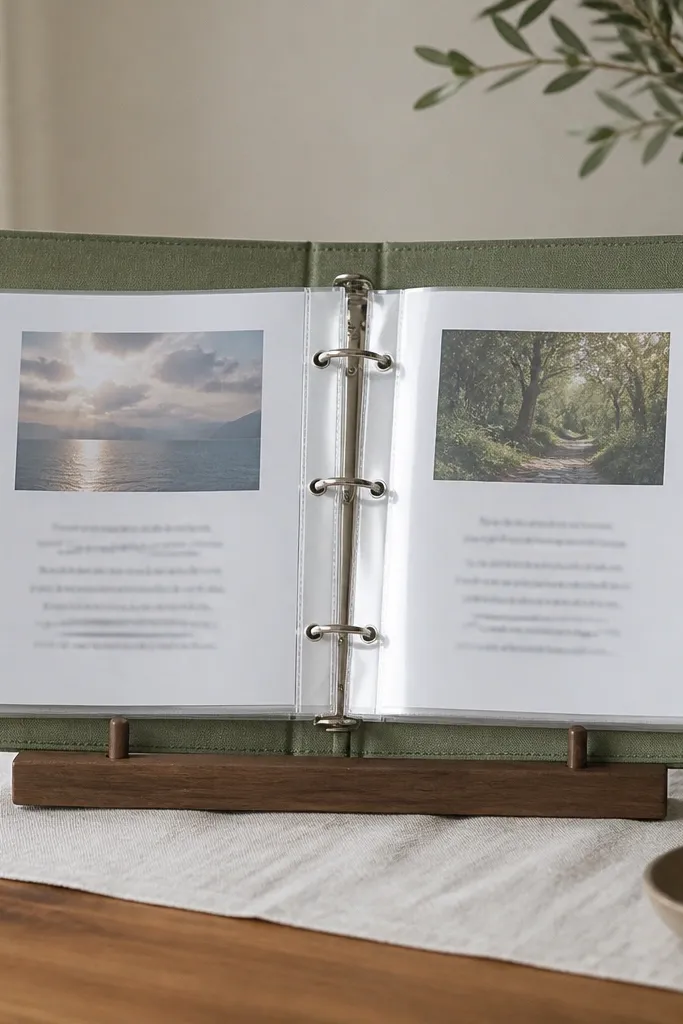
This is the most practical setup if you want to flip through prayers without redoing the whole board. Clear pages protect everything from dust, and tabs make it easy to find what you need. I’ve used a ring binder on a stand on a desk, and it feels calmer than a wall board because you can sit and read. It’s still “board” energy because it stays displayed.
Choose a 11x14 inch ring binder with a sturdy cover. Add clear sheet protectors and print prayer cards as inserts. Use dividers labeled with short words like “Today,” “This Week,” “Ongoing.” Keep the binder on a tabletop stand or lean it against a wall frame.
Editor's noteUse plastic photo sleeves for the biggest cards so they lay flat and don’t curl at the corners.
Skip thisDon’t pack too many pages in one sleeve — thick stacks bow and look messy.
8. Magnetic Photo Frame Prayer Board with Rotating Sections
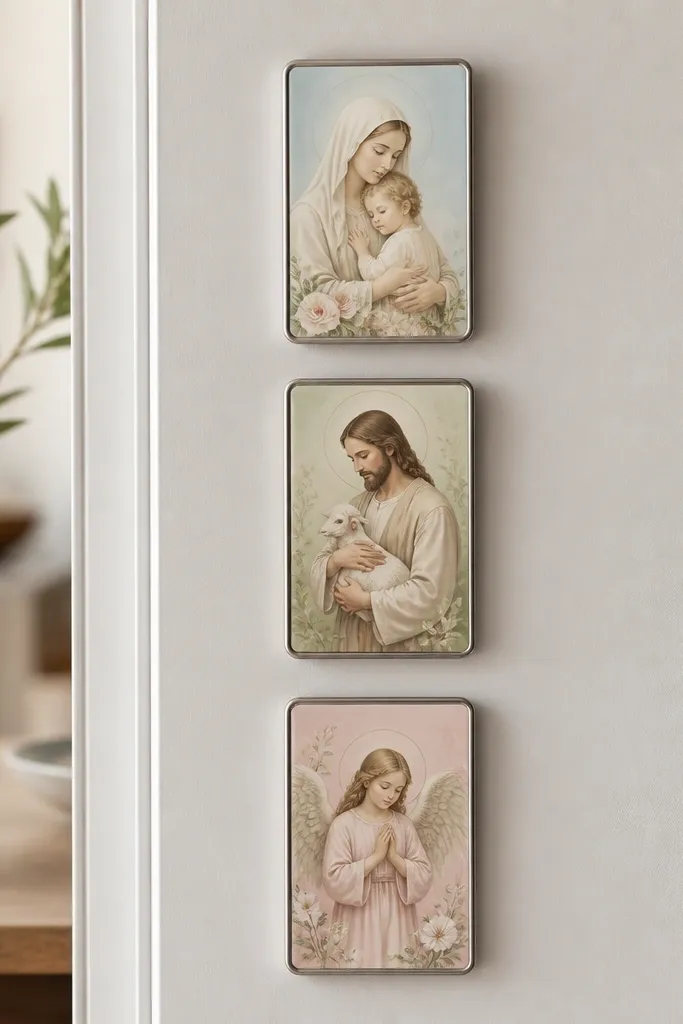
Small magnetic frames let you treat each topic like its own mini panel. When you swap one request, you don’t disturb the rest of the layout. I like the look because it has clear boundaries and stays neat even when the content changes weekly. The magnetic closure is quick — no tape, no clips slipping.
Buy three small magnetic frames (around 5x7 inches). Print prayer cards with a consistent margin so they sit centered. Mount the frames on a single board or directly to the wall with hardware from the frame kit. Keep one frame for scripture, one for intercessions, one for gratitude.
Editor's noteAdd a tiny strip of washi tape behind each card corner to keep it from shifting inside the frame.
Skip thisSkip frames with thick glare plastic if you hate reflections — the text becomes hard to read.
9. Fabric Wall Pocket Prayer Board with Sliding Cards
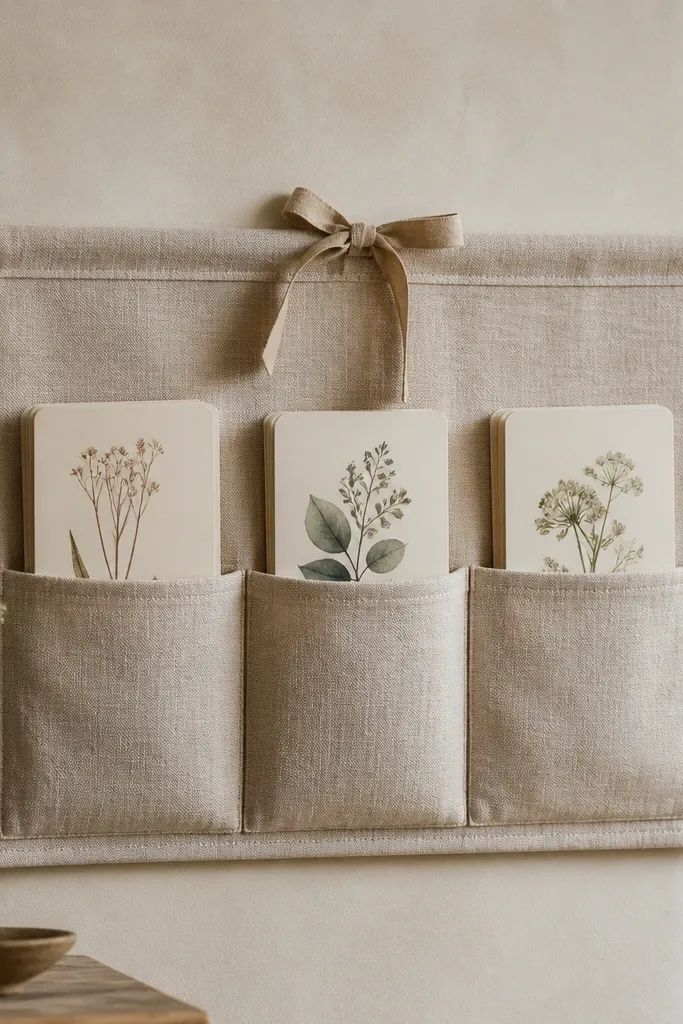
Fabric pockets keep cards contained so nothing falls out or gets crumpled. Sliding cards in and out is faster than pinning, and the fabric hides the back mess. I like linen or cotton because it looks soft and homey, not like a school bulletin board. The pockets also make the board forgiving if you’re swapping daily.
Cut a rectangle of medium-weight linen (about 18x24 inches) and sew pockets sized to fit 4x6 or 5x7 cards. Mount it over a light backing board for stability. Use ribbon ties or a simple top seam fold to keep cards from sliding too far. Print prayers on cardstock and slide them into each pocket.
Use fabric markers to write pocket labels directly on the linen so you never have to tape labels that peel.
Don’t use thin polyester fabric — it sags and your pockets look uneven.
10. Clear Acrylic Sheet Prayer Board with Washi Grid
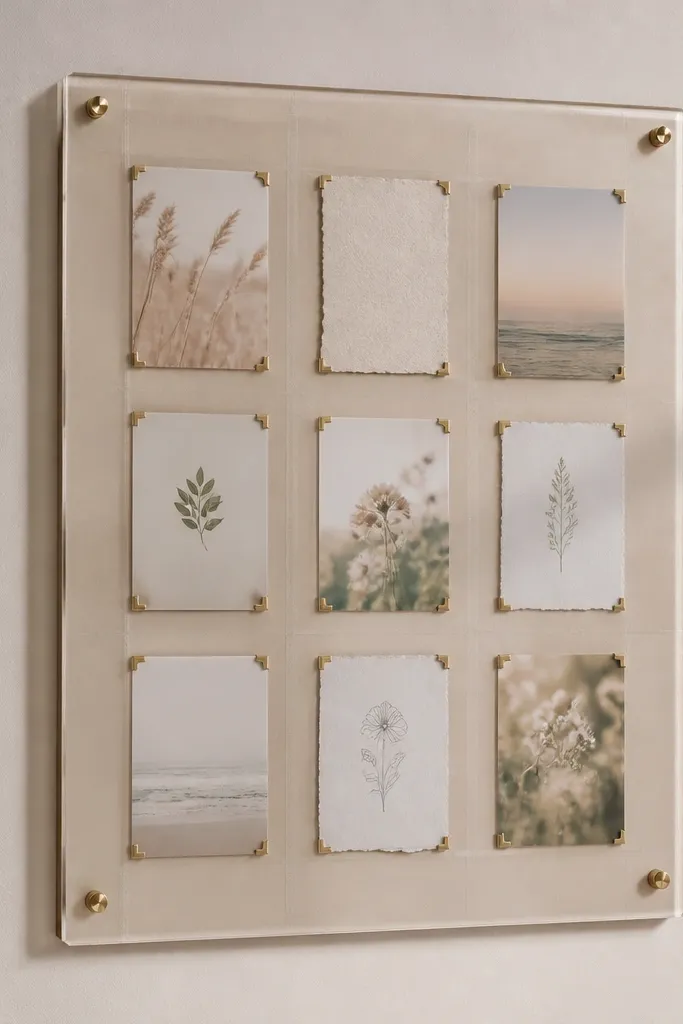
The acrylic protects everything while still looking modern and airy. The washi tape grid gives you structure without painting or drawing. I like this when you want a clean look but still want to swap cards. Corner clips keep the card edges flat so the board doesn’t look wavy.
Mount a clear acrylic sheet over a backing board (foam board works) and attach it with standoffs or a simple frame. Tape a grid with washi (1/2 inch wide lines) using a ruler. Add four small corner clips for each card position. Use 3x5 or 4x6 cards so they fit neatly under the acrylic.
Choose one washi color family, like muted black and cream, so the grid doesn’t overpower the prayers.
Avoid heavy cardstock that won’t flatten under acrylic — it causes bubbles and glare.
11. Wood Clipboard Prayer Board with Chalk Marker Window
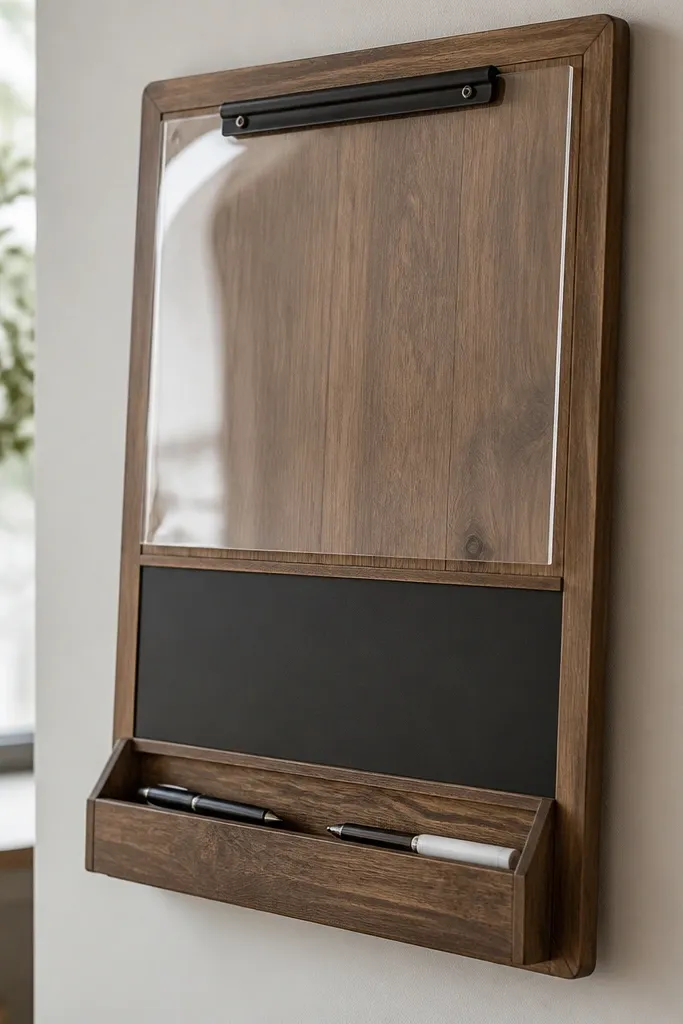
A clipboard format is low maintenance because the paper stays held in place by the clip. The clear plastic cover protects what you write and makes wiping easy. I like angled clipboards because they reduce glare and make the text easier to read. It’s also great for beginners who want one simple system without extra hardware.
Use a ready-made wooden clipboard big enough for 8.5x11 or 9x12 sheets. Add a clear report cover sheet over the writing area. Print one scripture sheet and slide it under the top clip, then write daily updates on a smaller laminated insert. Mount it with two wall anchors so it doesn’t tip.
Use a fresh laminated insert for daily notes and swap it each week so your handwriting stays neat.
Skip tiny clipboards; the paper curls and your writing becomes harder to read.
12. Raised Ribbon Prayer Board with Mini Envelopes
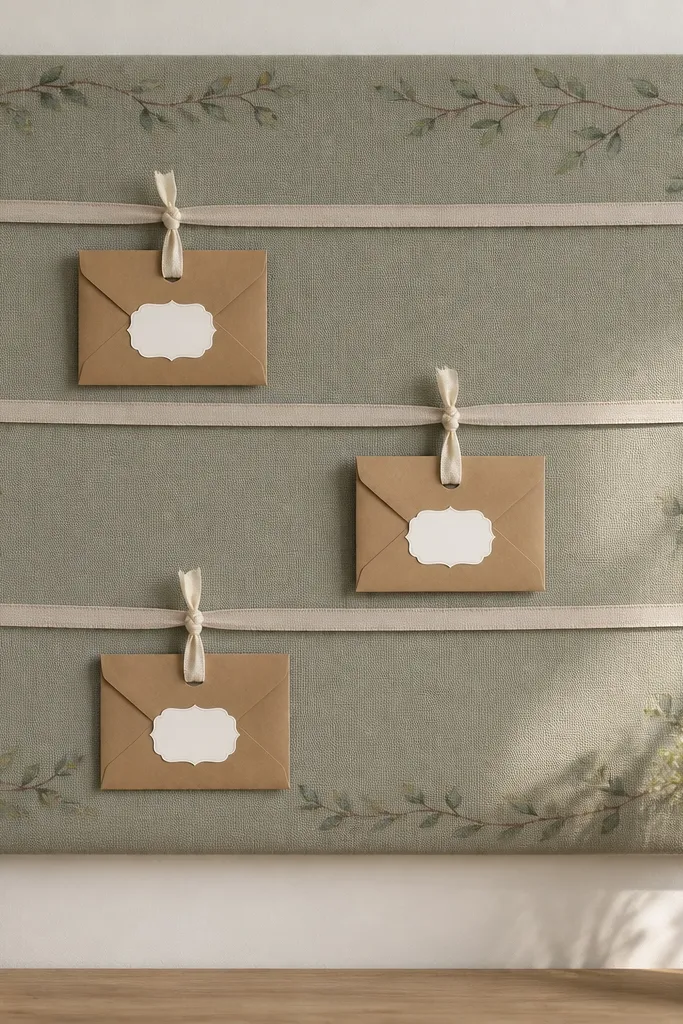
Envelopes keep prayer requests contained and easy to pull out. Raised ribbon lines create visual separation without adding heavy frames. I like kraft envelopes because they look warm and they don’t show fingerprints as easily. This setup is low maintenance because you’re only opening and closing envelopes, not re-gluing paper corners.
Start with a corkboard or felt board inside a frame. Hot glue ribbon strips (about 1 inch wide) in three rows, then tie mini envelopes with thin twine. Use 3x4.5 inch envelopes so they don’t bulk up. Put one envelope for “Answers,” one for “Needs,” one for “Gratitude.”
Write labels on small strips of masking tape and seal them with a clear tape edge so they don’t peel.
Don’t use glossy ribbon; it catches light and makes the labels harder to read.
13. Painted MDF Prayer Board with Hidden Command Hooks
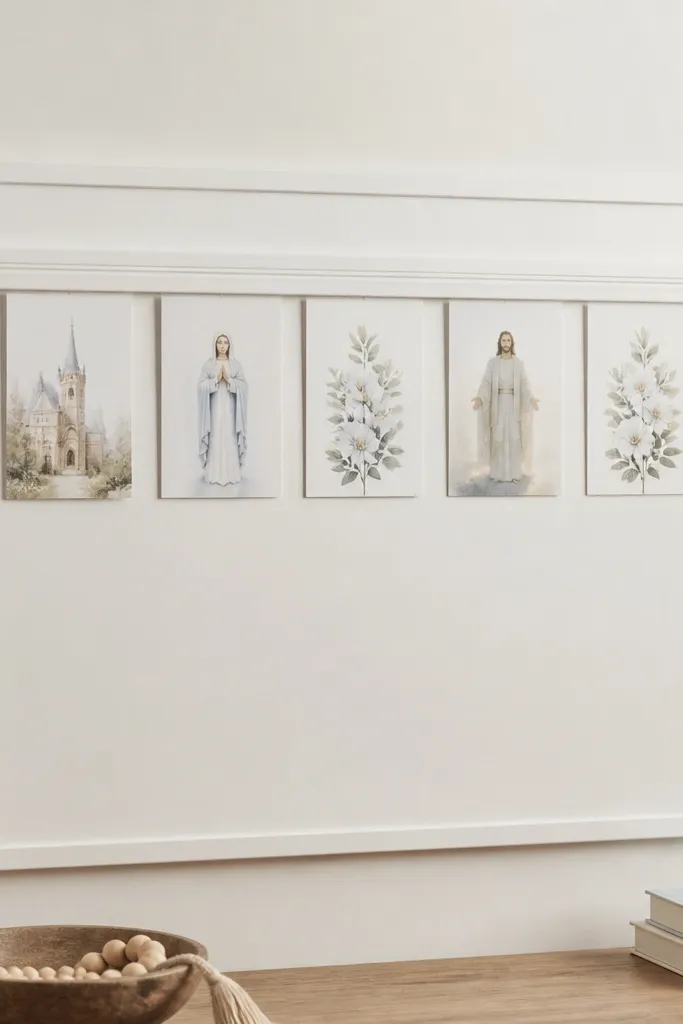
This is the neatest option if you hate visible clips. Hidden hooks let cards hang flat, and the matte surface makes the text look sharp. I’ve used it in hallways where sunlight hits — matte paint avoids glare. The low maintenance part is that you can lift cards off and swap without disturbing anything else.
Paint a piece of MDF with matte white or warm gray, then seal with a flat clear coat. Install a strip of trim along the top edge to hide the top hooks. Use Command hooks rated for the weight of your cards. Attach cards with a small loop of string or a punched hole and a mini binder ring.
Keep card spacing consistent: 2 inches between top edges so the board stays organized even when you change content.
Skip high-gloss topcoat — it looks cheap under indoor lighting and shows streaks.
14. Lidded Storage Box Prayer Board for the Counter
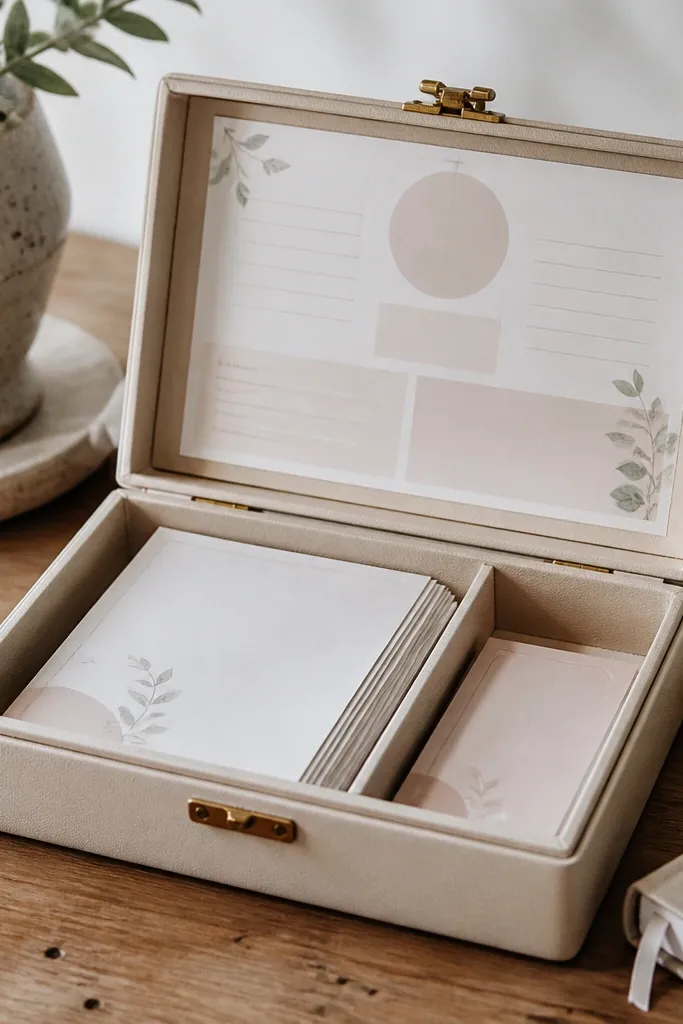
This is a prayer board you don’t have to mount. A lidded box protects cards from dust when you’re not using them, which is the real reason it stays low maintenance. I keep mine on a shelf near my Bible, and it gets used because it’s right where I already stand. The clear lid film makes the content visible without handling the pages constantly.
Use a shallow wood or plastic box with a lid about 10x14 inches. Print your prayer layout and cover it with clear film or a sheet protector cut to size. Inside, store laminated 4x6 cards in a small divider. Add a small pencil or marker holder so you can update quickly.
Use wipeable dry-erase labels on the inside divider so you can reorganize topics in minutes.
Don’t use a box with a warped lid — the film lifts and collects dust.
15. Tiered Tray Prayer Board with Mini Stands
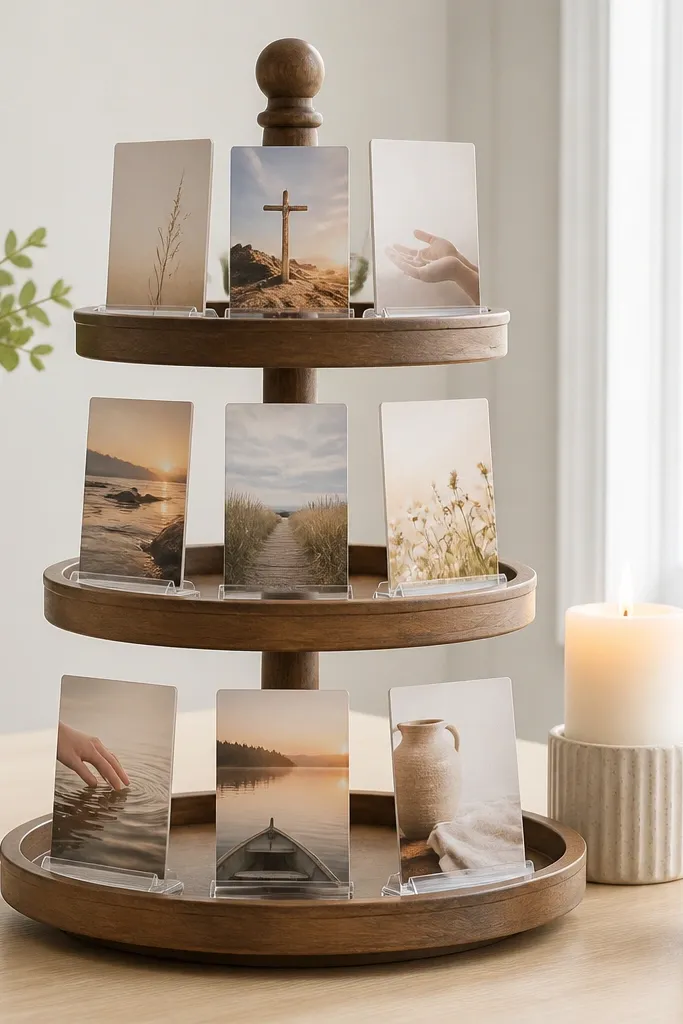
Tiered trays create a clean reading order without you drawing lines or grids. Each card sits in its own little stage, so swaps are just swapping stands. I like acrylic stands because they wipe clean and look polished. This style works especially well for daily prayers because you can glance at the top card while you’re standing at your counter.
Use a wooden tiered tray (about 10-12 inches tall). Place small acrylic card holders on each level and print cards sized to fit the stand. Keep one stand for “Today,” one for “Pray for,” and one for “Thank you.” Add a small pen cup with one marker so the station stays functional.
Editor's noteUse a single accent color ribbon tied around the tray handle or a candle base so it looks like one set, not random items.
Skip thisSkip crowded styling; if you add too many objects, the prayers get lost.
16. Magnetic Chalkboard with Fridge-Style Notes
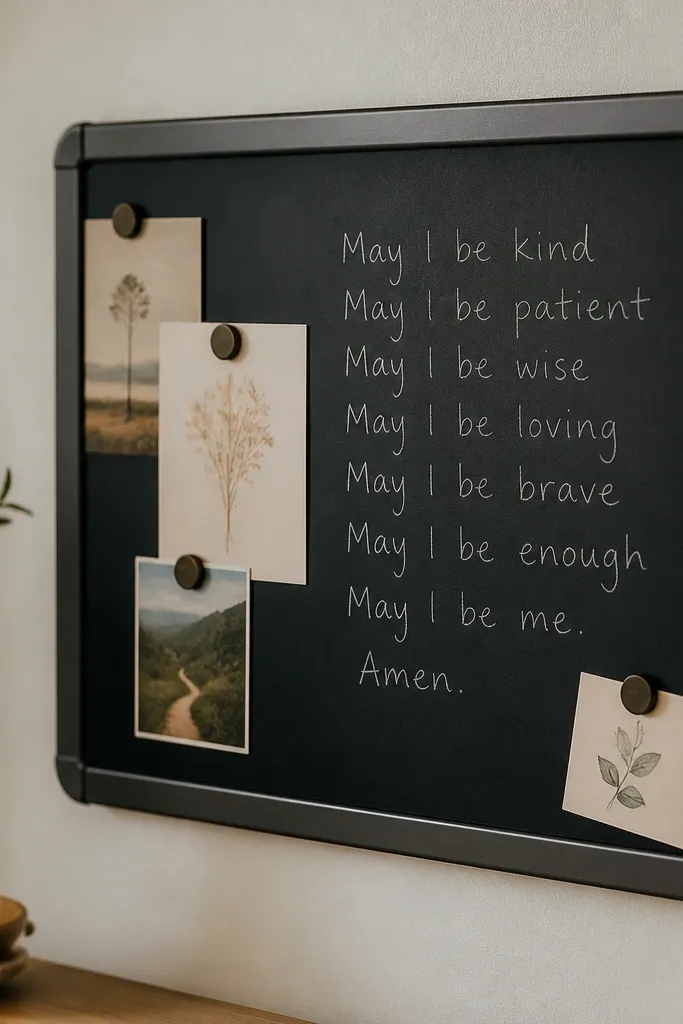
A chalkboard is easy to refresh, and magnets keep notes from falling. The mix of handwritten and laminated notes gives you flexibility: permanent prayers on magnets, daily updates in chalk. I like light gray chalk marker on a dark board because it reads cleanly. This setup stays low maintenance because you wipe chalk and swap notes without cleaning glue residue.
Use a small chalkboard panel around 12x18 inches. Seal laminated notes with clear laminate and attach with small magnets. Write your main prayer lines with chalk marker so you can wipe with a dry cloth. Mount with two anchors and keep a small eraser attached with a magnet.
Write large enough that you can read at arm’s length — about 1 inch tall letters for a 12x18 board.
Don’t use thin chalk that crumbles — it creates dust that smears onto the notes.
17. Photo Collage Prayer Board with Clear Corners
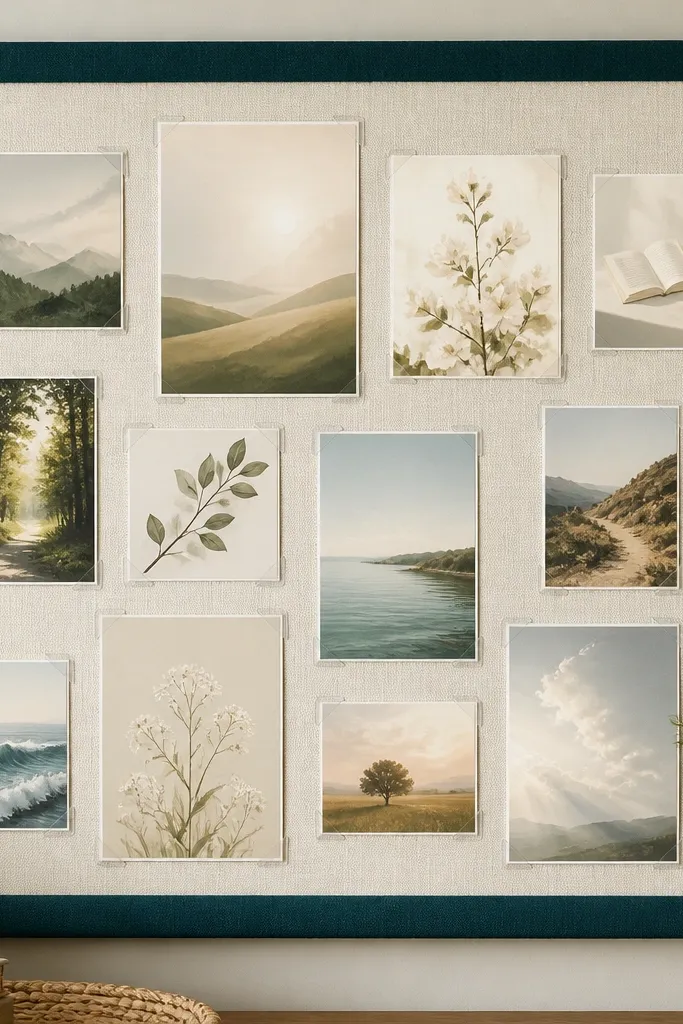
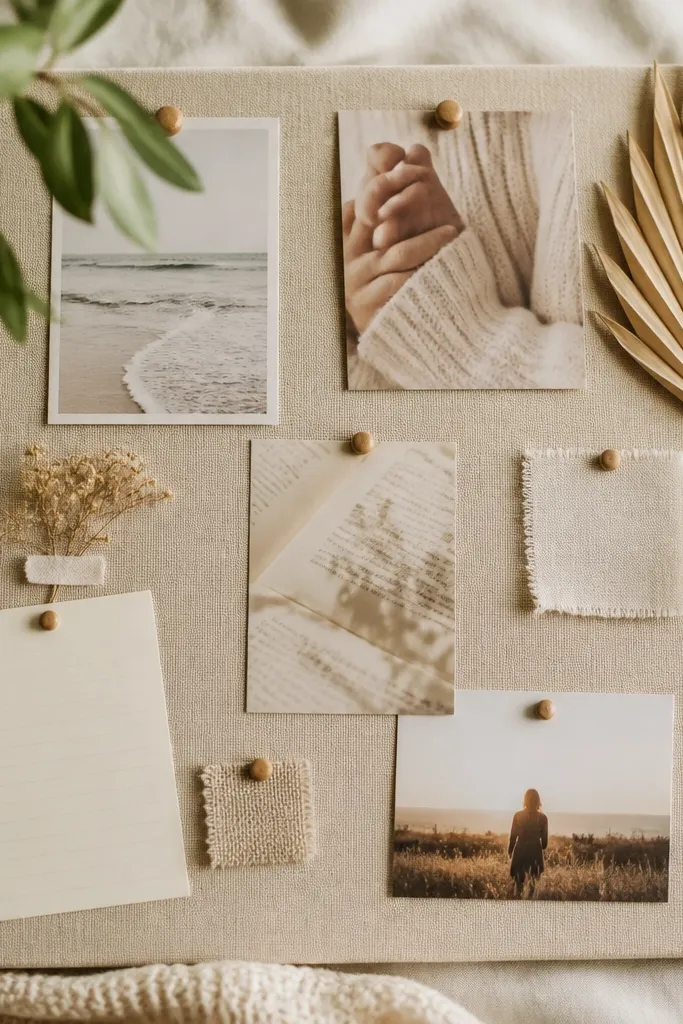
Clear corner mounts hold paper flat and prevent curling edges from showing. The fabric backing softens the whole look and hides the cork texture. I use this when I want a prayer board that stays stable for months — you’re not swapping every day. The low maintenance part comes from the fact that you’re not constantly handling the cards.
Cover a corkboard panel with fabric using spray adhesive, then stretch and trim cleanly. Print scripture cards on thick cardstock and mount them with clear photo corner mounts. Add a thin fabric border about 1 inch wide in deep teal. Frame the whole panel so edges stay tidy.
Keep your card sizes consistent (all 4x6 or all 3x5) so the collage looks intentional instead of random.
Skip paper that’s too glossy — it reflects light and makes the text harder to read.
18. Wooden Dowels Prayer Board with Tied Scripture Strips
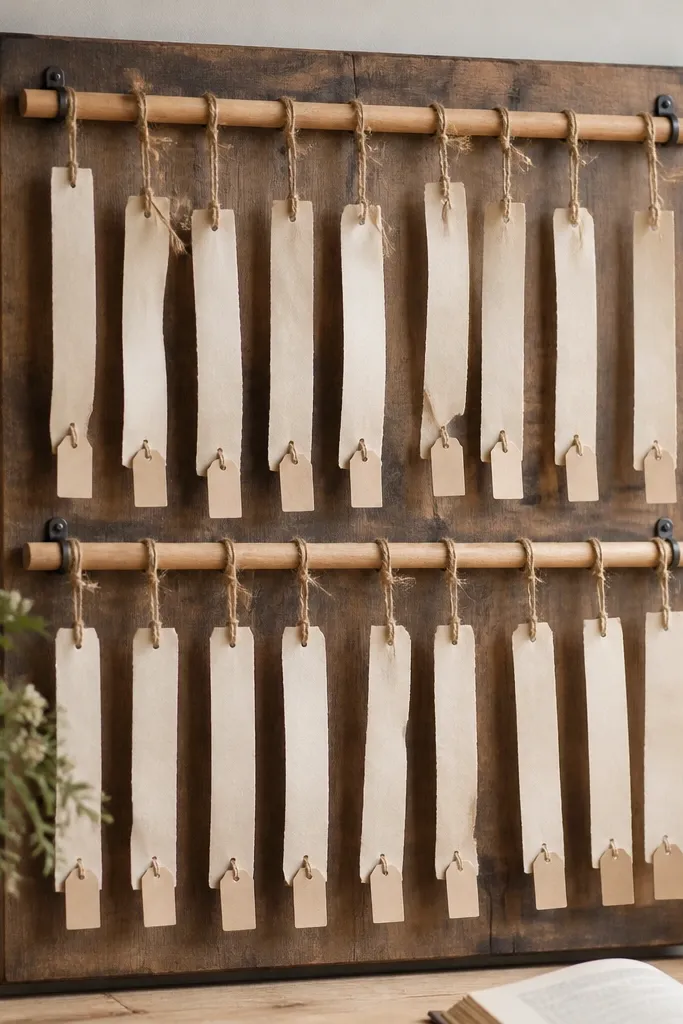
Dowels let you hang scripture strips without pinning paper into cork. Twine ties are easy to adjust and remove, so swapping is quick. I like using narrow strips because they leave lots of empty space, which makes the board feel calm. The look stays neat because ties hide the attachment points.
Mount two dowels (about 1 inch diameter) across a 12x18 board. Add small metal hooks or screw eyes under the dowels for tying. Cut scripture strips to about 2x8 inches and tie with 6-8 inch pieces of neutral twine. Use small kraft tags for the prayer category, attached with a tiny knot.
Editor's noteUse a consistent knot style for every tie — I use a simple overhand knot, pulled tight, then trimmed evenly.
Skip thisDon’t use thin ribbon that frays — it looks sloppy after a few swaps.
19. Sliding Drawer Prayer Board with Mini Pull-Out Cards
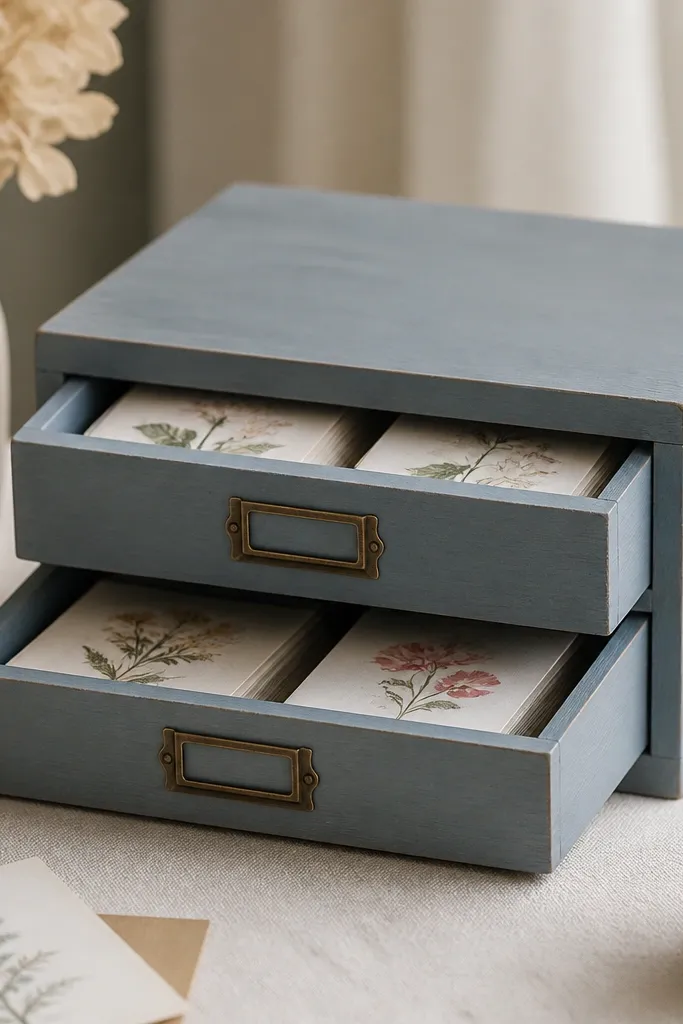
Drawers protect your cards and keep the board clean even when you’re changing requests often. Pull-out drawers mean you’re not pinning or taping anything to the front. I like this for people who want a prayer board that still looks tidy when the cards are out. It’s low maintenance because the cards live in a protected space.
Use a small wood shadow box or craft organizer panel and add shallow drawer slides or repurpose a small wooden drawer unit. Print card sets on 4x6 cardstock and stack them inside each drawer. Add labels on the front in black marker. Paint the board with a matte finish and seal it with a flat clear coat.
Leave 1/4 inch of clearance inside drawers so cards slide smoothly and don’t scrape the edges.
Avoid drawers that stick — if it catches once, you’ll stop updating it.
20. Pegboard Prayer Board with Numbered Peg Hooks
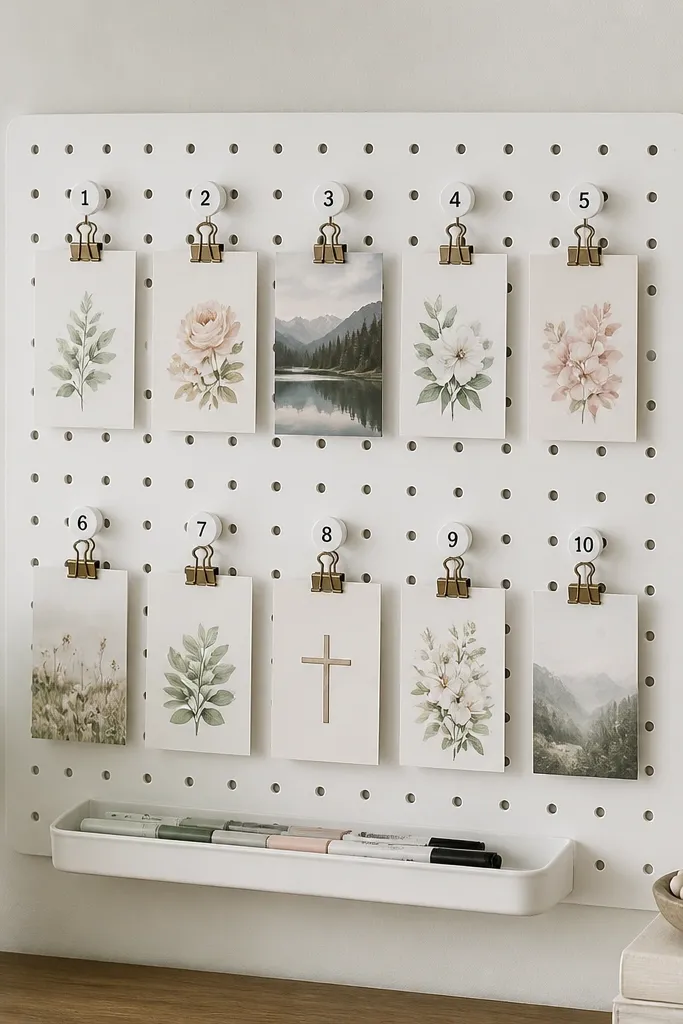
Pegboard is sturdy and forgiving, and it’s easy to reconfigure. Numbered hooks help you keep a consistent order, even when you swap cards. I like binder clips because they grip cardstock firmly and look neat. This system is low maintenance because you’re not rebuilding the board each time — you just hang new cards.
Use a 12x16 inch pegboard painted white and sealed. Install hooks or peg accessories in a grid (keep 2-3 columns). Attach binder clips to each hook and clip cards that are 4x6 inches. Add a small marker tray beneath using a pegboard shelf.
Label the hooks with tiny stickers on the back of the peg so the front stays clean.
Skip leaving bare metal exposed; it can rust or look industrial unless you seal it.
21. Washi and Tape Calendar Prayer Board on a Laminated Base
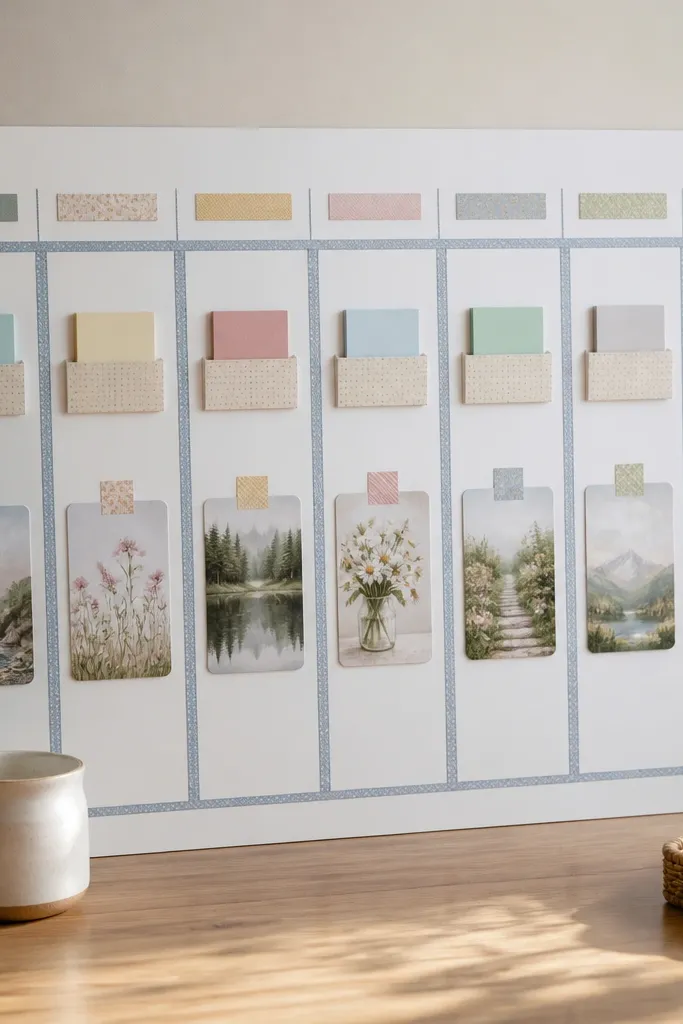
A laminated base gives you a wipeable surface, and tape grids are easy to redo when you get bored. I use this when I want a prayer board tied to a schedule without heavy construction. The removable tape keeps cards from curling because they’re held flat. It stays low maintenance because swapping is mostly sliding sticky notes and replacing one card per day.
Cover a board with clear laminate film or use a pre-laminated sheet. Make a weekly grid with washi tape, then place small laminated prayer note cards under each day label. Use removable tape strips or mini clips to hold each card. Keep the grid small enough to finish in 1 hour: 7 columns, 2 rows.
Write the day labels first in pencil, then go over with a fine black marker so the grid stays straight.
Don’t stick tape directly on paper-only boards — the edges lift and the whole thing looks peeling.
22. Minimal Frame Prayer Board with Picture-Card Tabs
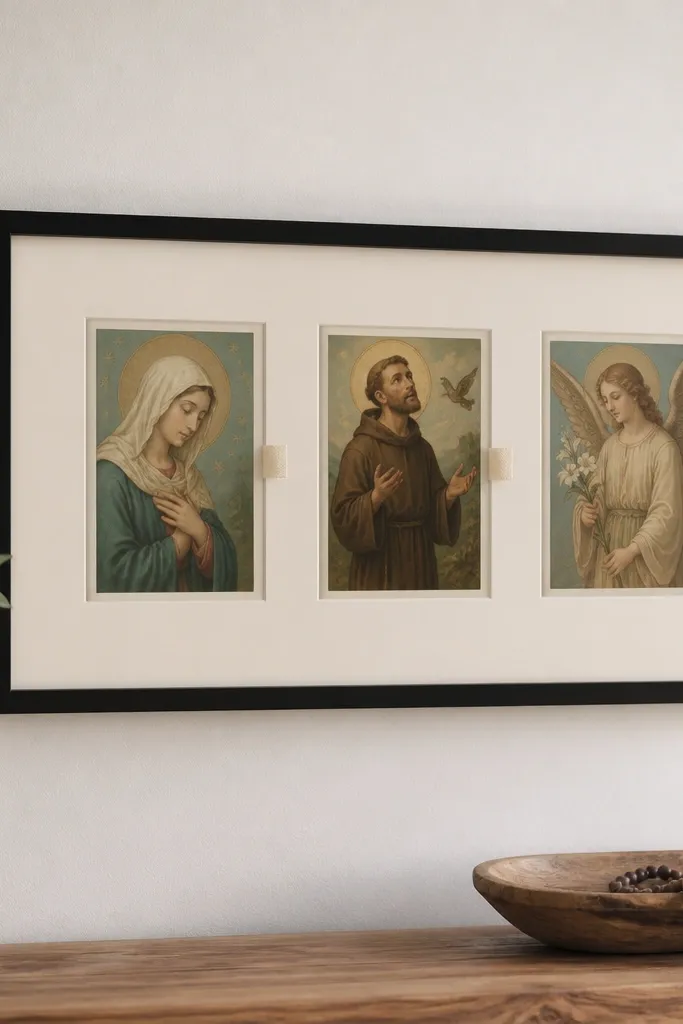
Frames make a prayer board look finished even when you change the content. Side tabs let you slide cards out quickly without reaching under clips. I like cream mats because they keep the text readable and hide small imperfections. This setup is low maintenance because the cards are protected behind clear cover.
Use a slim picture frame with a glass or clear cover and remove the backing. Add a cream mat board with cutouts for three cards. Attach fabric tabs to the right edge of each card so you can pull them out. Secure the mat with the frame hardware so everything stays aligned.
Editor's noteUse 8.5x11 prints cut into 4x6 cards to keep the edges consistent and easy to replace.
Skip thisAvoid frames with thick reflective glass if your lighting is bright — it makes the words harder to read.
23. Wooden Chalk Tray Prayer Board with Drop-In Cards
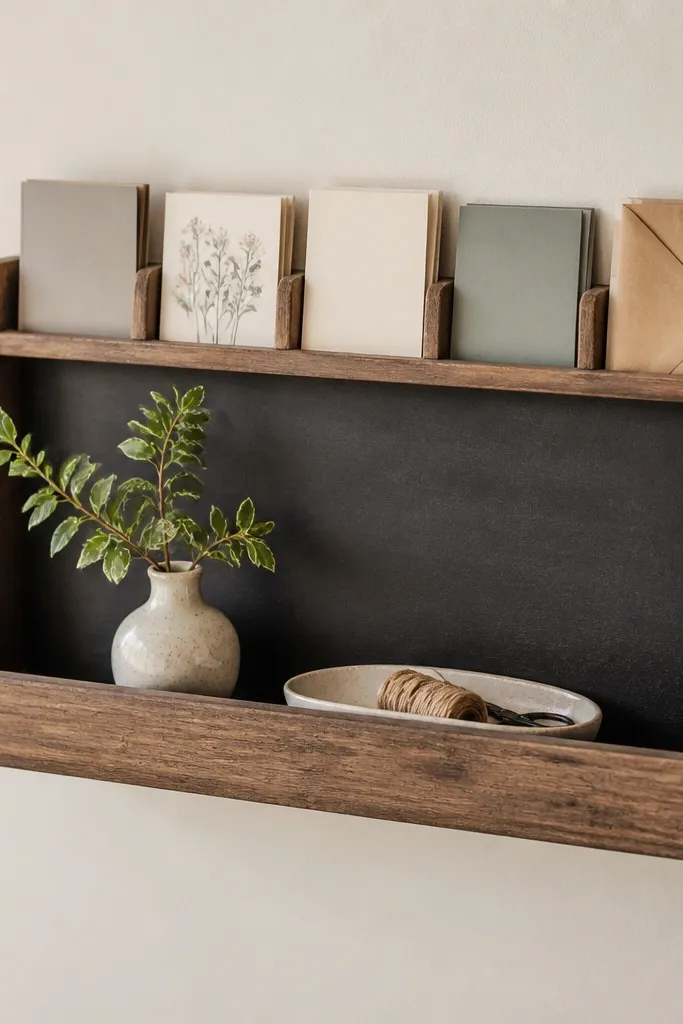
A tray gives you built-in structure and keeps cards from sliding around. The chalkboard insert is perfect for a weekly heading you rewrite each time. I like this because it looks tidy even when you pull a card out — the tray holds the layout. Low maintenance comes from the drop-in holders: you swap cards without touching the chalkboard surface.
Build or buy a shallow tray (about 2 inches deep). Add a chalkboard insert cut to the back panel size and seal the tray edges with a clear coat. Use small wooden dividers or acrylic holders along the top to keep cards in place. Mount with a single rail bracket so it sits level.
Editor's noteUse a damp cloth once a month to remove chalk dust so the board stays clean instead of gray.
Skip thisSkip untreated wood inside the tray — chalk dust sticks and stains it.
24. Tile Accent Prayer Board with Rope Hanger and Clear Sleeve
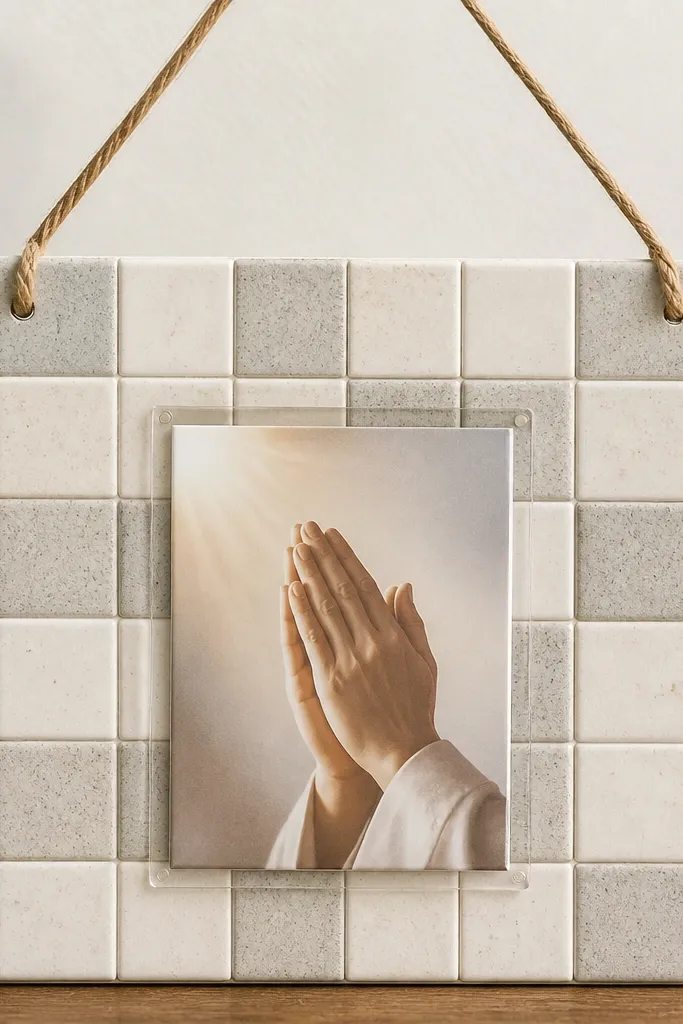
Tiles are easy to wipe, and they don’t warp from humidity. The clear sleeve protects the central printed card, so the board stays readable without constant handling. I like the speckled off-white tiles because they hide minor smudges from daily use. This is a low maintenance prayer board ideas option for people who want something durable and plain-looking.
Use a 12x16 inch plywood base, then glue small ceramic tiles in a grid. Grout lightly or use thin grout lines for a clean look. Attach a clear report cover sleeve at the center with adhesive strips. Add rope hanger hardware at the top so it hangs like a farmhouse sign.
Use a matte clear seal over grout after it cures so it wipes clean with a damp cloth.
Avoid shiny tiles if you have overhead lighting; glare makes the text harder to read.
25. Desk-Lid Prayer Board with Hinged Clear Cover
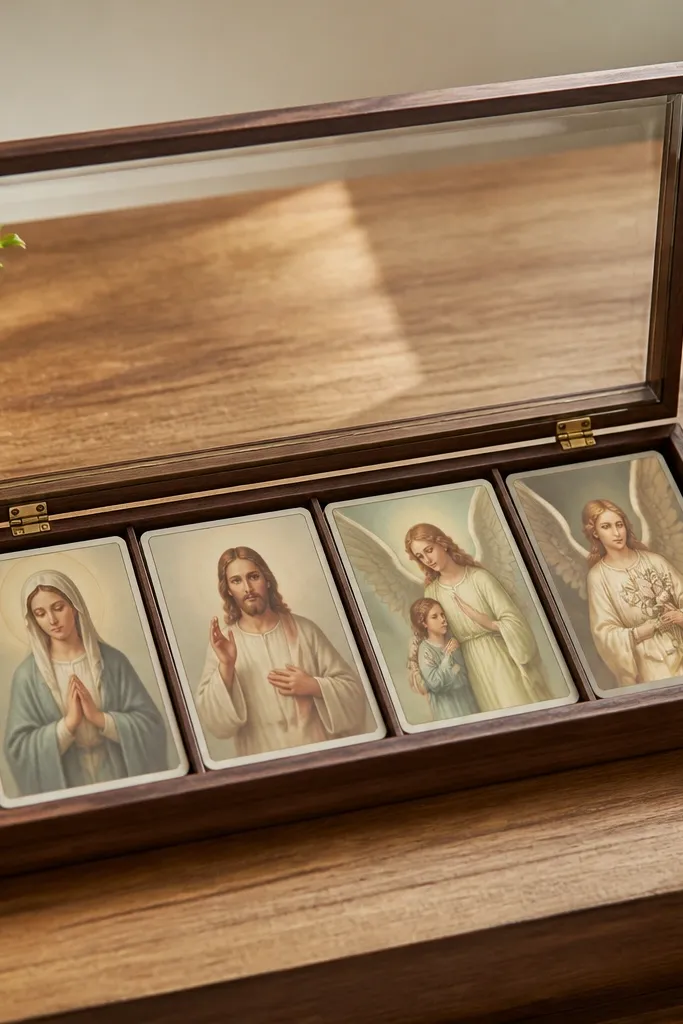
If you pray at a desk, a hinged cover is the best protection. Cards stay dust-free when you close it, and you still see everything at a glance when you open it. I like this for families because kids can touch the cards without messing up the layout. It stays low maintenance because the cover prevents curling and keeps the setup in one place.
Use a shallow wooden organizer box and attach a clear binder cover as the hinged top. Put printed cards in a row with dividers so they don’t slide. Add a small strip of felt under the cover to prevent scuffing. Keep the board on a desk and update cards by swapping the ones behind dividers.
Use binder clips as dividers; they’re cheap and they hold cards without bending corners.
Don’t use a floppy plastic cover that bows — it smears fingerprints onto the cards.